

The species library
Care guides for 132 animals.
Researched housing, feeding and daily care for reptiles, arachnids and amphibians.
Browse by group
All categories →New to keeping animals?
Meet two reptiles for first-time keepers
These guides are rated for first-time keepers. Both animals are a commitment of many years.
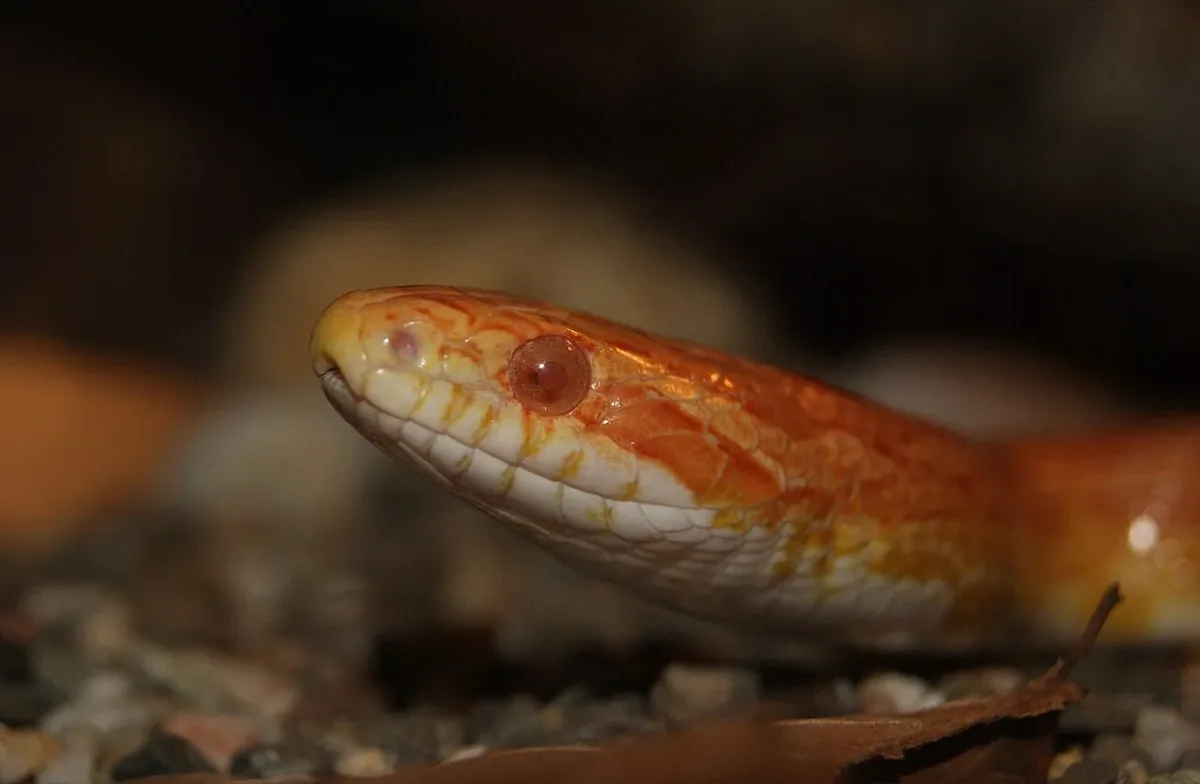 Corn snakeTemperate terrestrialRead guide →Leopard geckoArid terrestrialRead guide →
All care guides
132 care guides
Habitat filters match words in the guide’s habitat description.
Explore a category
 Snakes
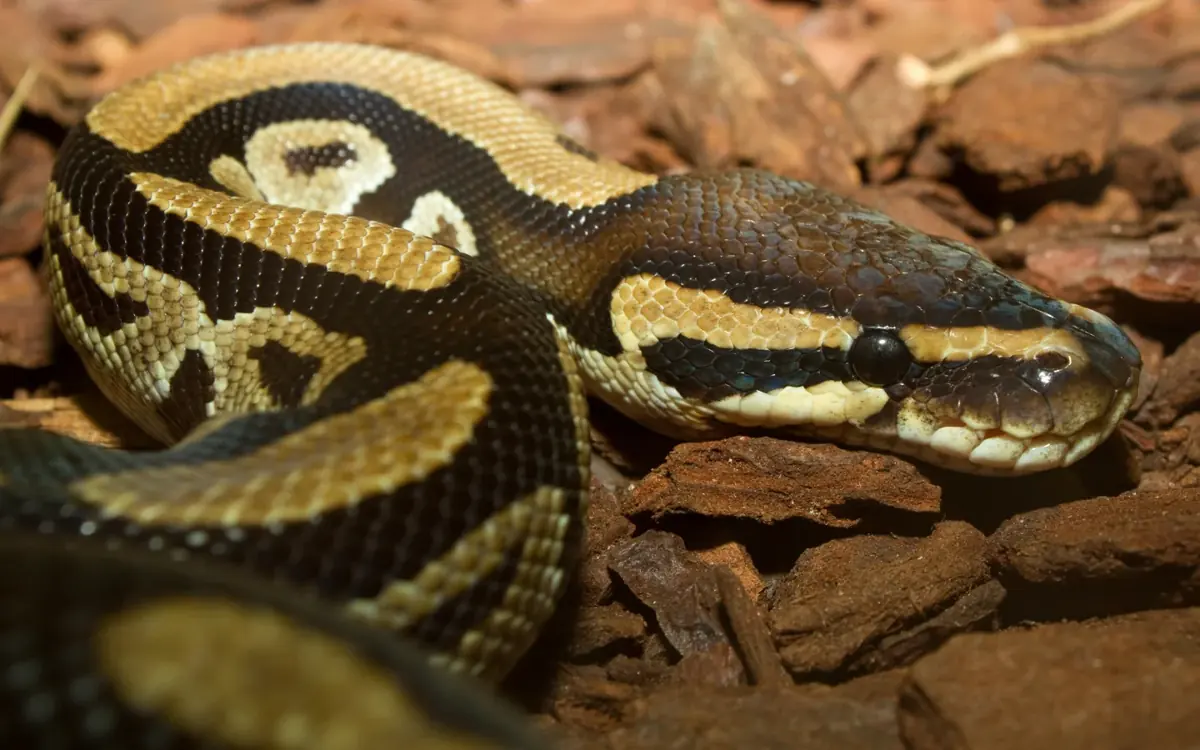
Ball python
Python regius
Plan a secure, furnished home for a ball python, with distinct air and surface measurements, whole-prey feeding and useful health records.
Researched care guide · Some experience
Potentially 30 years or more
SnakesCorn snake
Pantherophis guttatus
A secure home with sheltered routes, measured environmental choices and feeding adjusted to the individual supports this active snake throughout its life.
Researched care guide · Getting started
May live 20 years or more
 Snakes
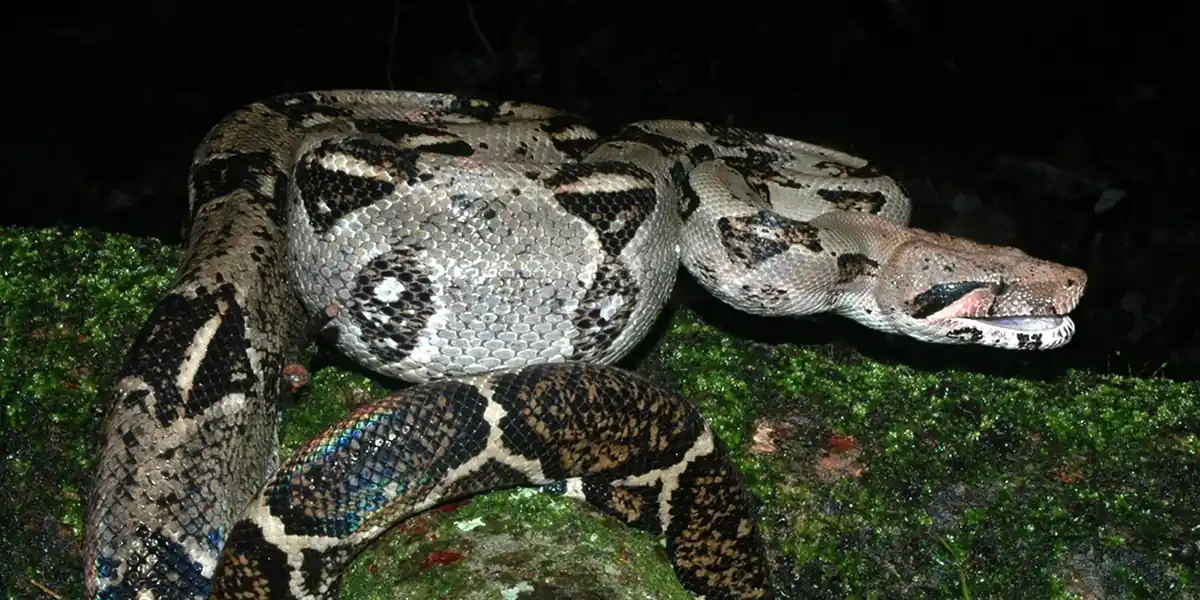
Boa imperator
Boa imperator
Boa imperator is a powerful, long-lived snake whose adult space and handling requirements need careful planning.
Researched care guide · Experienced keeper
A commitment measured in decades; 40+ years is possible
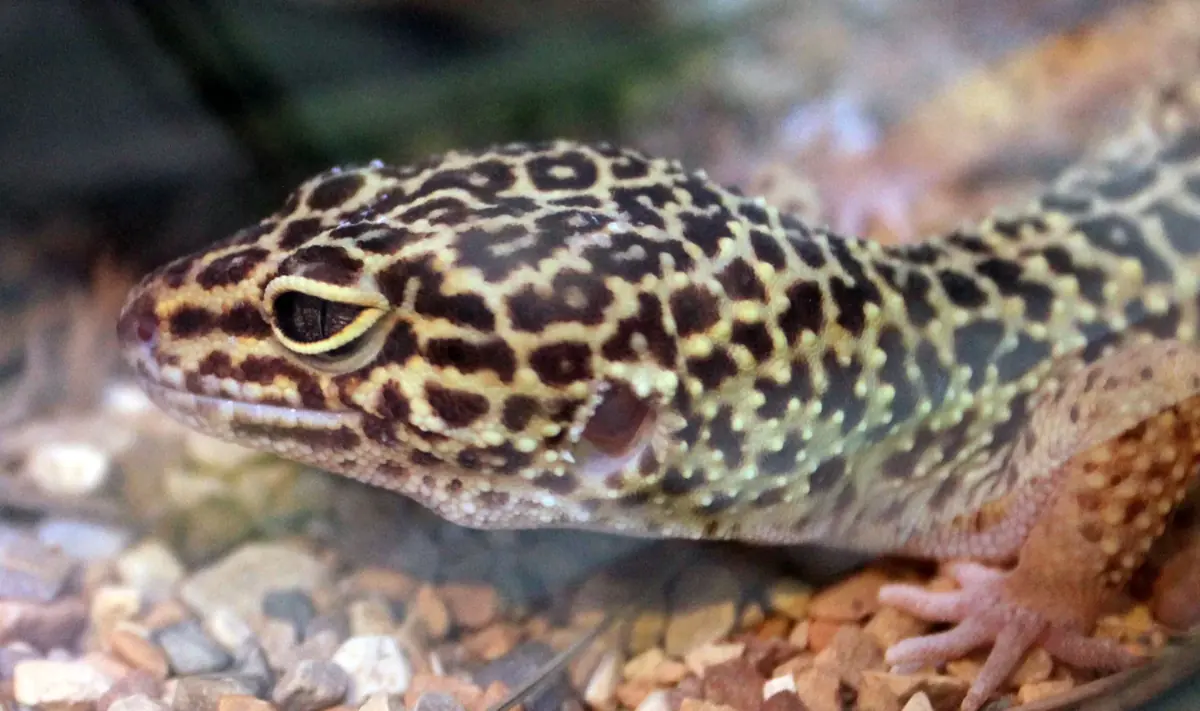
LizardsLeopard gecko
Eublepharis macularius
A practical guide to a measured leopard gecko setup, live-insect feeding, daily care and signs that need attention.
Researched care guide · Getting started
Plan for 20 years or longer
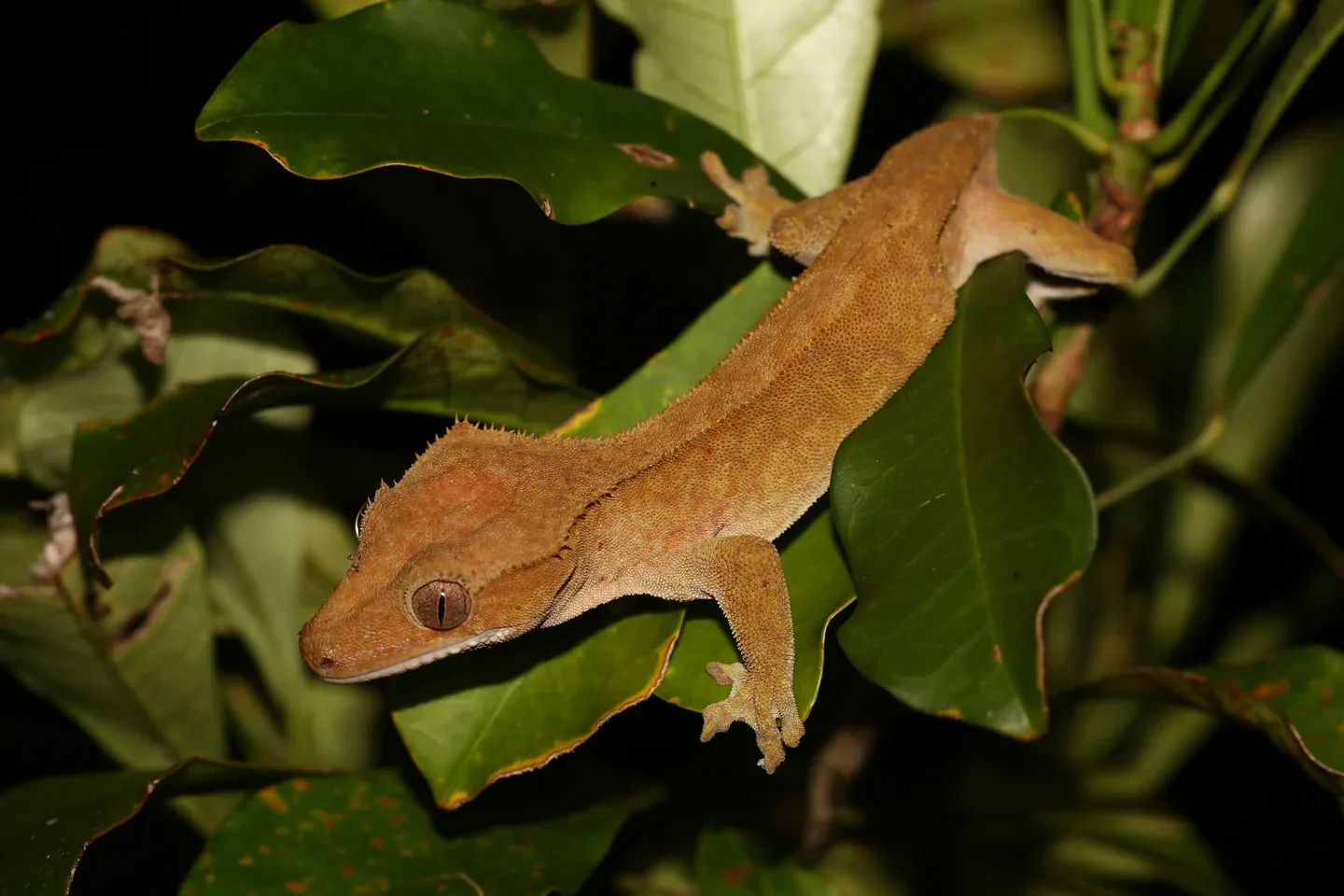
LizardsCrested gecko
Correlophus ciliatus
Provide connected climbing routes, gentle measured UVB, a drying moisture cycle and a complete diet prepared for the animal’s life stage.
Researched care guide · Some experience
Around 15–20 years
 Lizards
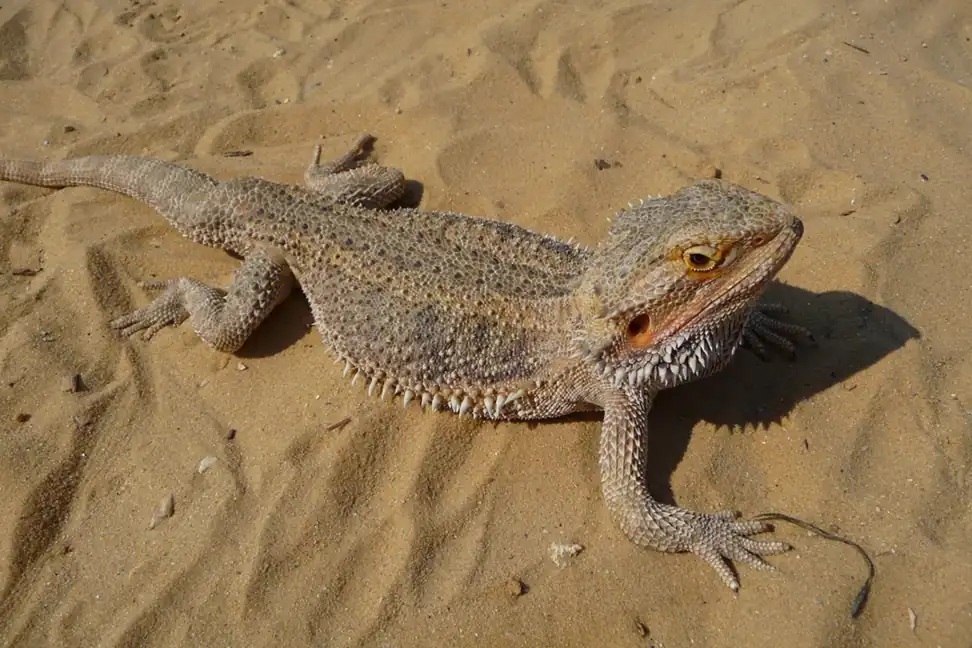
Bearded dragon
Pogona vitticeps
Bearded dragons are bright, active baskers that need generous space, strong lighting and an age-appropriate omnivorous diet.
Researched care guide · Some experience
Around 10–15 years or longer
 Lizards
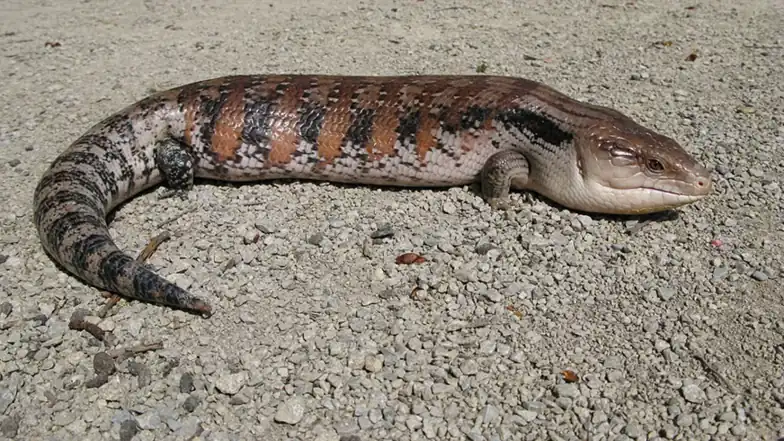
Blue-tongued skink
Tiliqua scincoides
Blue-tongued skinks are sturdy, inquisitive foragers, but you need to identify the subspecies before choosing heat and humidity settings.
Researched care guide · Some experience
Around 15–20 years, with longer lives reported
 Lizards
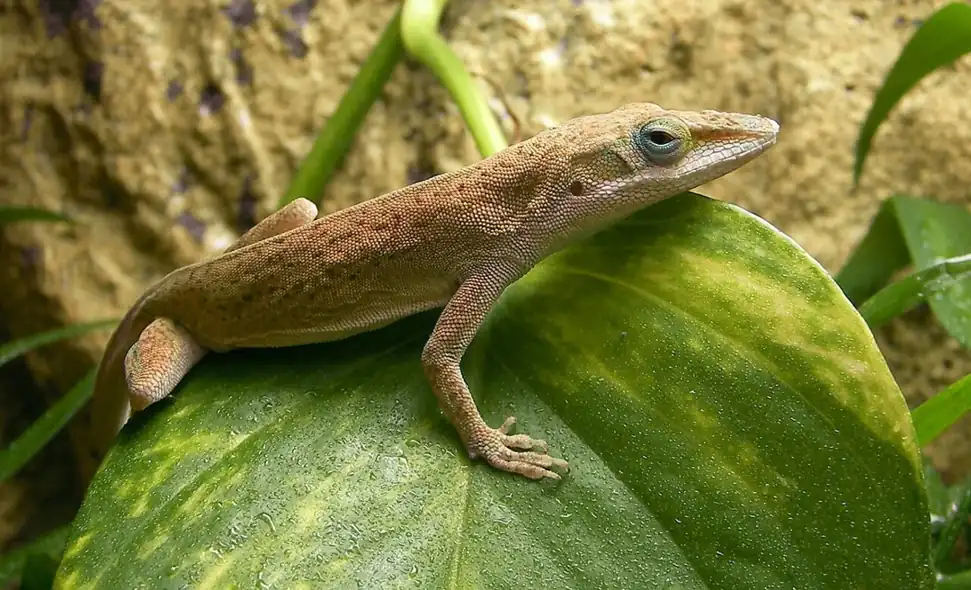
Green anole
Anolis carolinensis
Green anoles are small, alert display lizards that thrive with fine branches, foliage and careful hydration.
Researched care guide · Some experience
Around 4–8 years
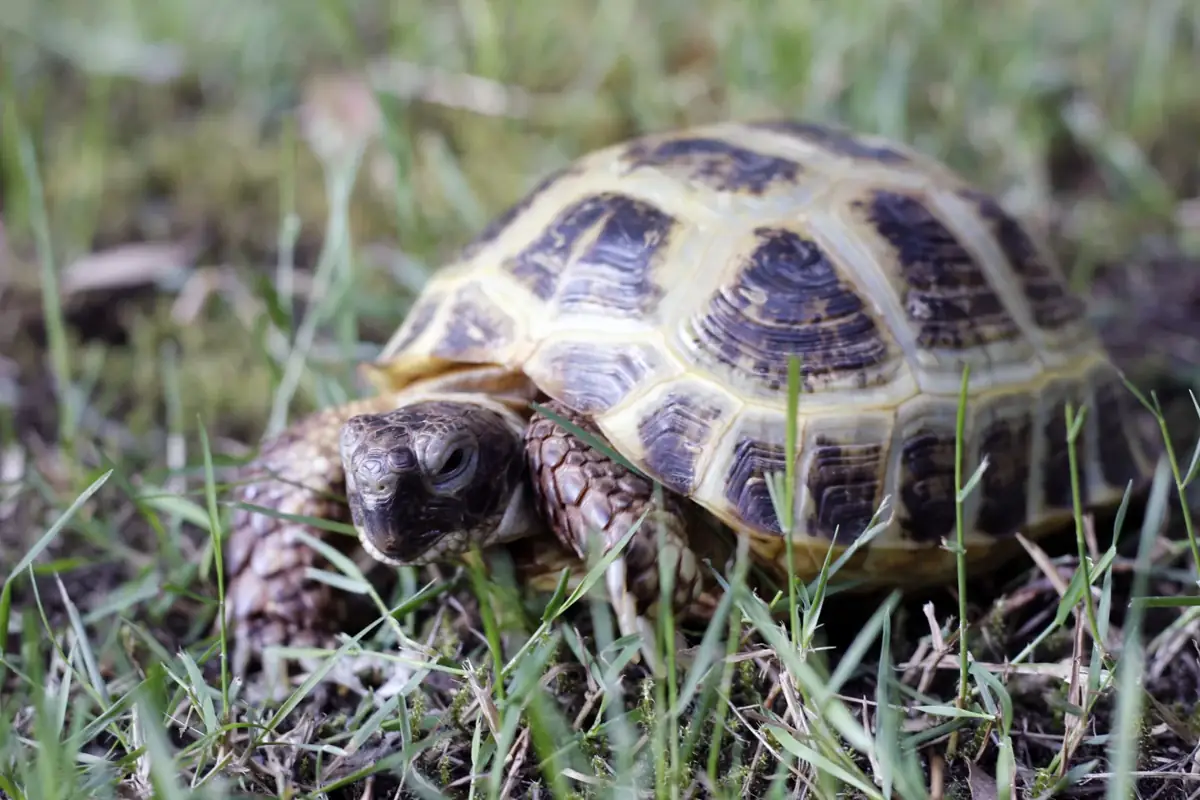
Turtles & tortoisesRussian tortoise
Testudo horsfieldii
Russian tortoises are active grazers and determined diggers that need plenty of space despite their small shells.
Researched care guide · Some experience
Several decades; 60 years or longer is possible
 Turtles & tortoises
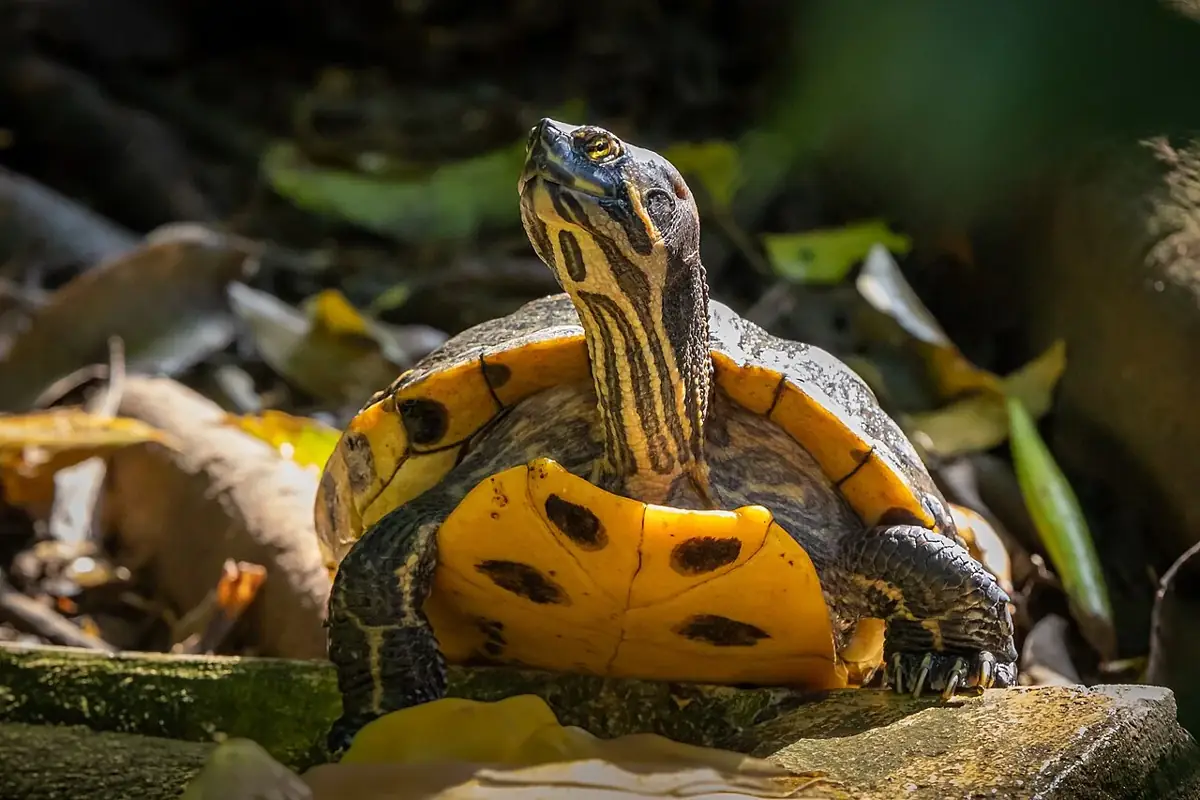
Red-eared slider
Trachemys scripta elegans
Red-eared sliders are strong swimmers that need clean water, a dry basking platform and enough adult space, with ongoing work to maintain the setup.
Researched care guide · Some experience
Around 20–30 years; longer lives occur
 Lizards
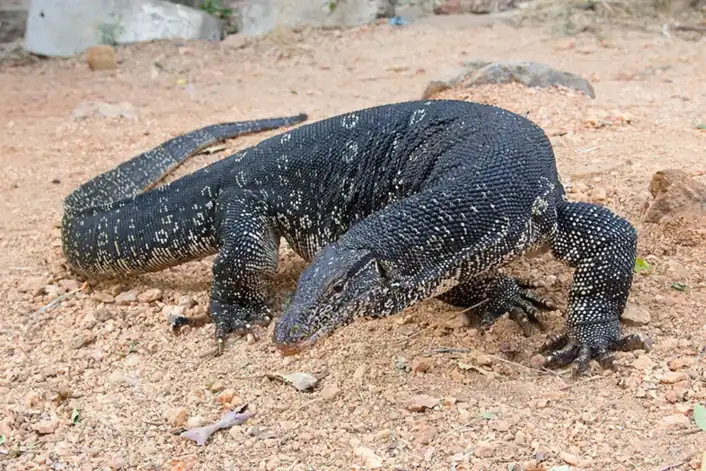
Asian water monitor
Varanus salvator
Asian water monitors are giant, active lizards that require dedicated housing, a managed pool and substantial hands-on experience.
Researched care guide · Experienced keeper
Plan for 15–20+ years; published estimates differ
 Lizards
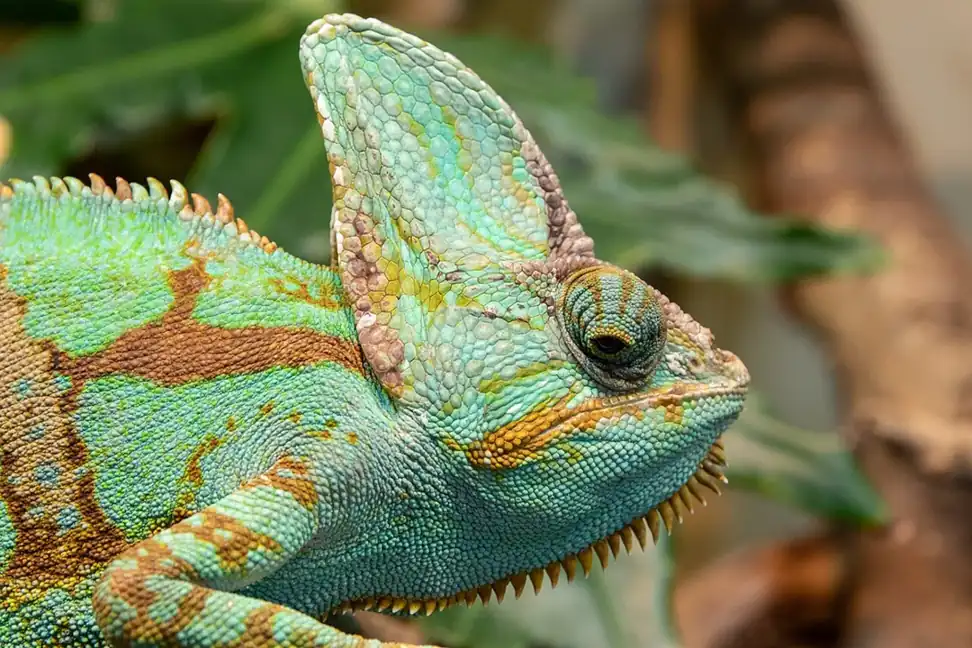
Veiled chameleon
Chamaeleo calyptratus
Veiled chameleons are solitary canopy specialists that require measured UVB, carefully timed hydration and excellent drainage.
Researched care guide · Experienced keeper
Plan for 5–7 years and potentially longer
 Snakes
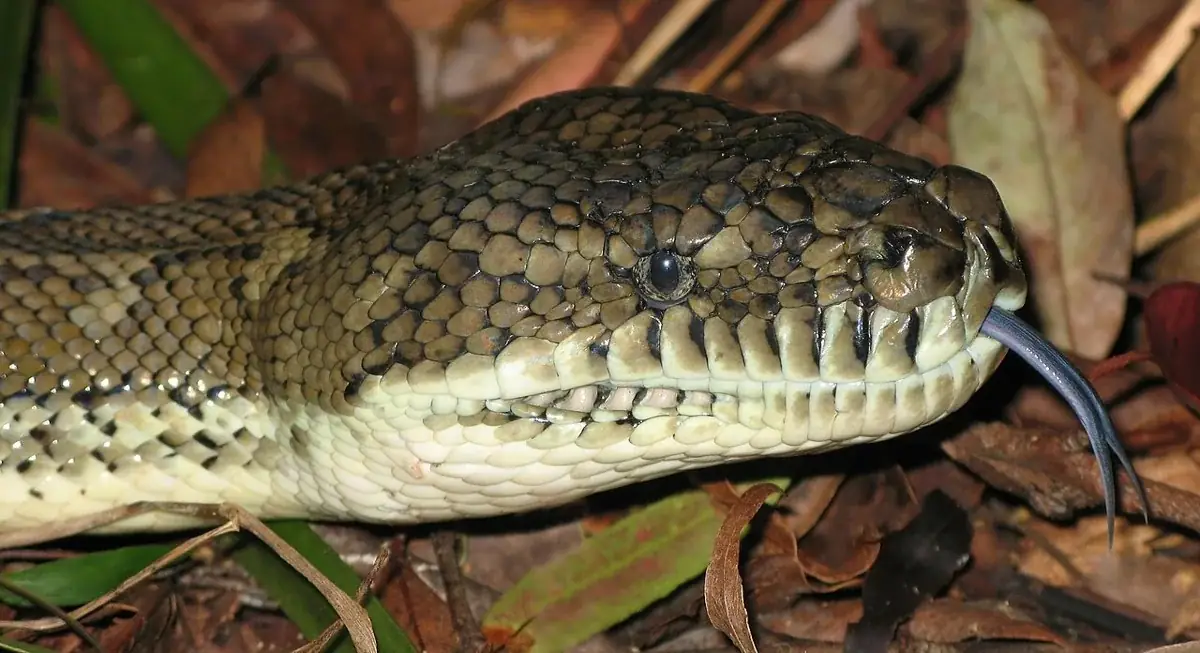
Carpet python
Morelia spilota complex
Carpet pythons climb, and their locality and adult size must shape the enclosure plan.
Researched care guide · Experienced keeper
20–30+ years reported; plan for decades
 Snakes
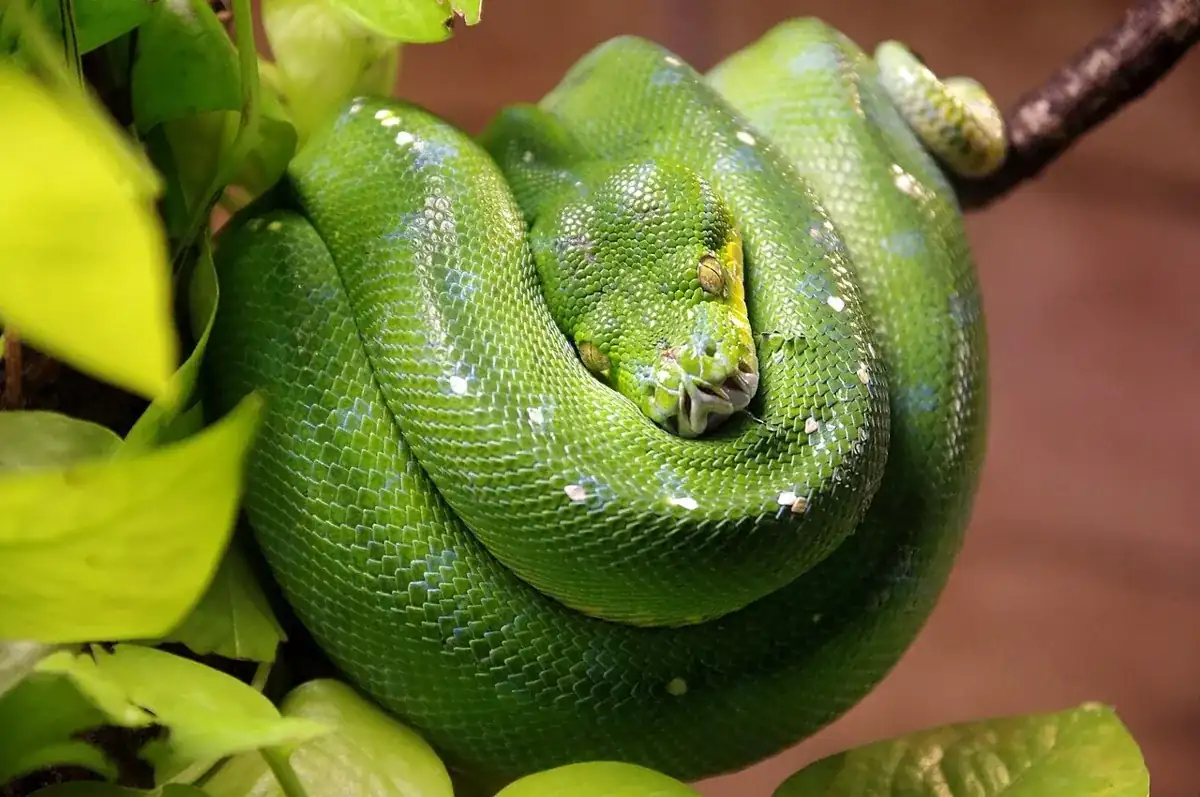
Green tree python
Morelia viridis / Morelia azurea group
Green tree pythons live in trees and are best observed in an enclosure with carefully arranged perches and close moisture monitoring.
Researched care guide · Experienced keeper
15–20 years reported for the broad keeper group
 Snakes
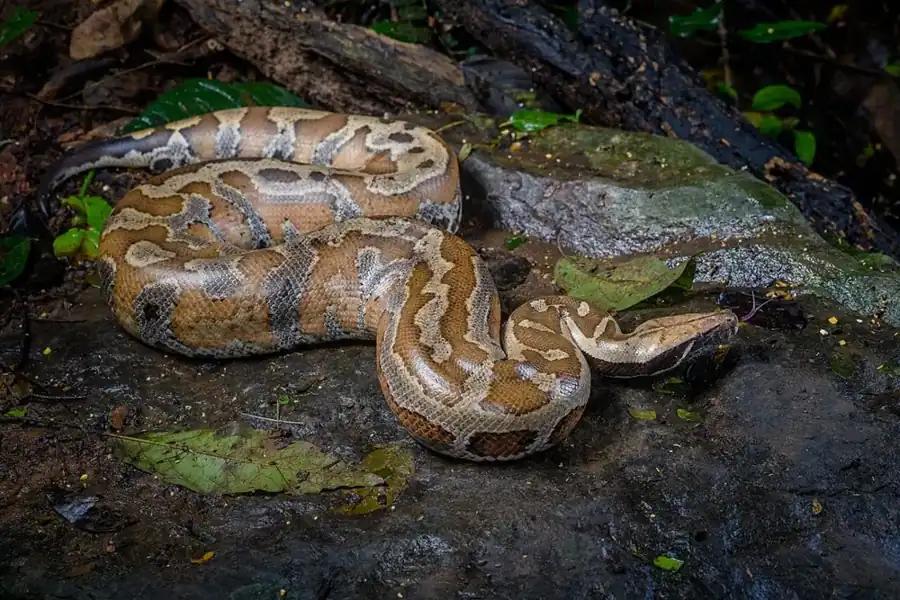
Blood python
Python brongersmai
Blood pythons are heavy, ground-oriented snakes that need careful temperature and body-condition management.
Researched care guide · Experienced keeper
25+ years possible; a long-term commitment
 Snakes
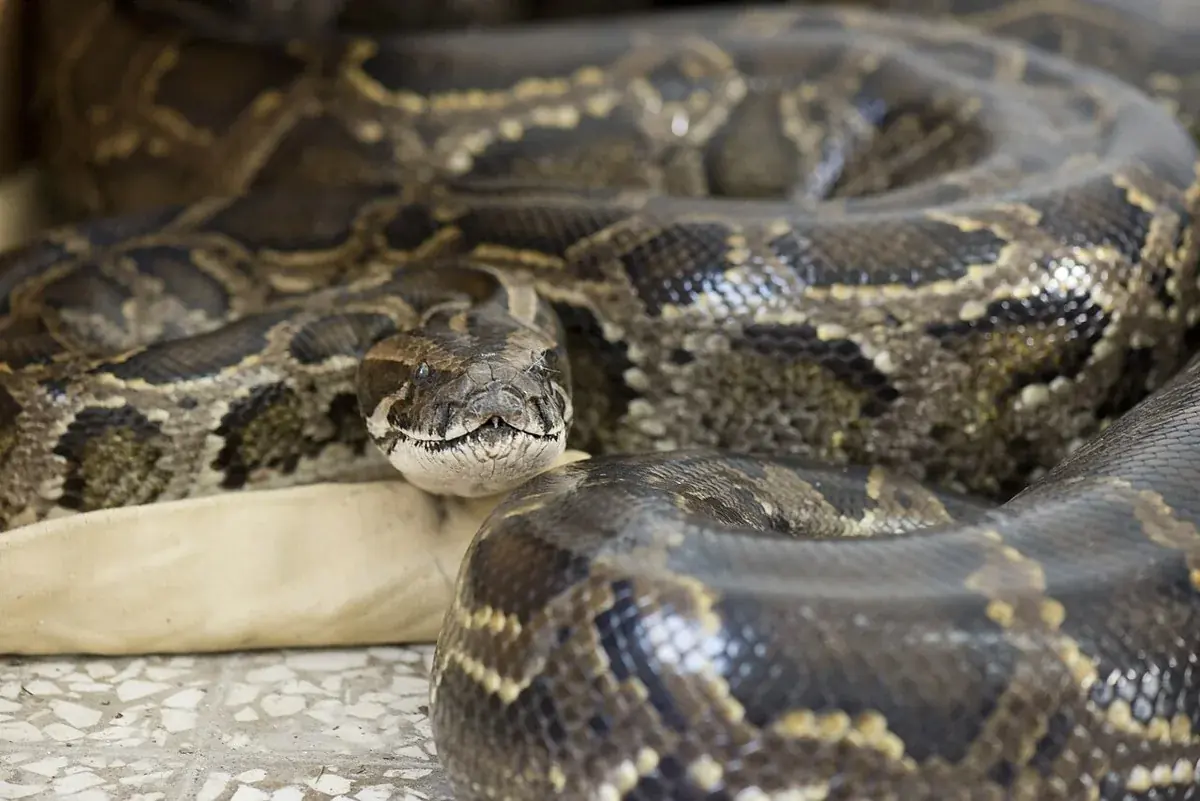
Burmese python
Python bivittatus
Burmese pythons are giant constrictors that require purpose-built facilities and experienced support.
Researched care guide · Experienced keeper
20+ years of care; 25 years possible
 Snakes
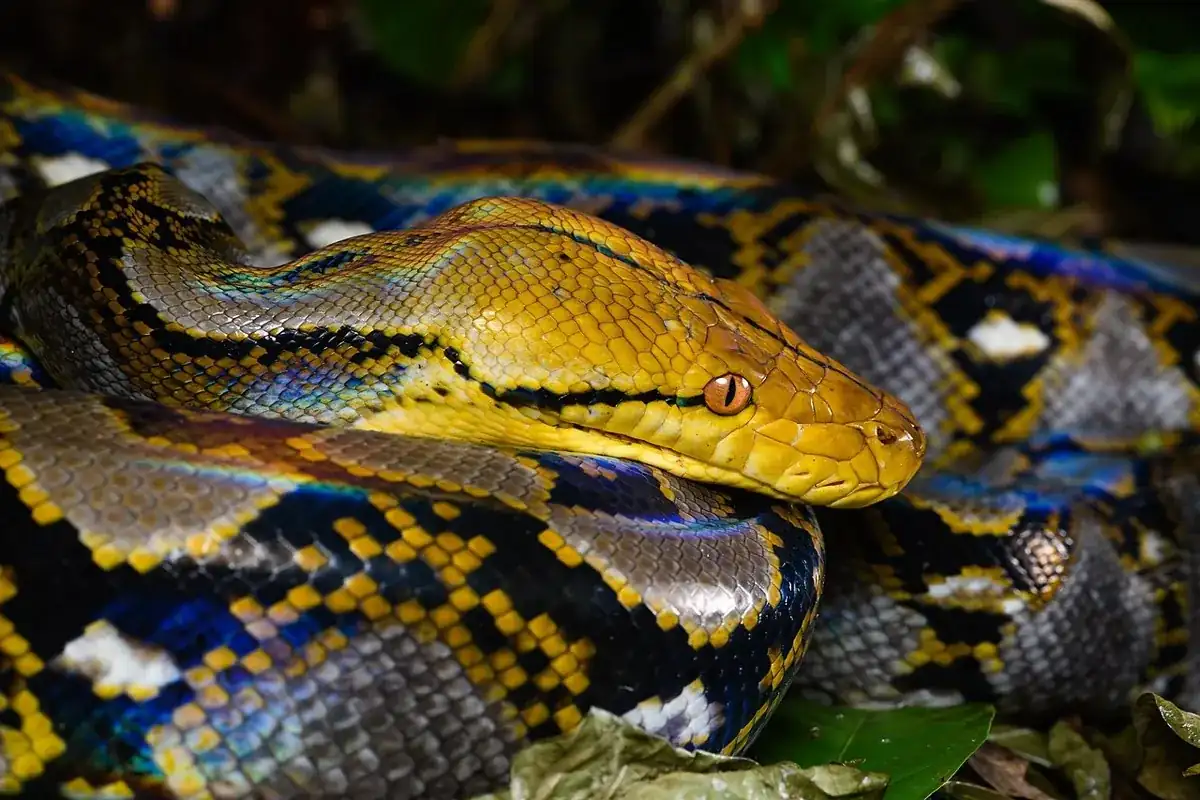
Reticulated python
Malayopython reticulatus
Reticulated pythons are active giant snakes whose lineage, adult facility and care team must be assessed individually.
Researched care guide · Experienced keeper
Decades; over 40 years is reported by Wild Welfare
 Snakes
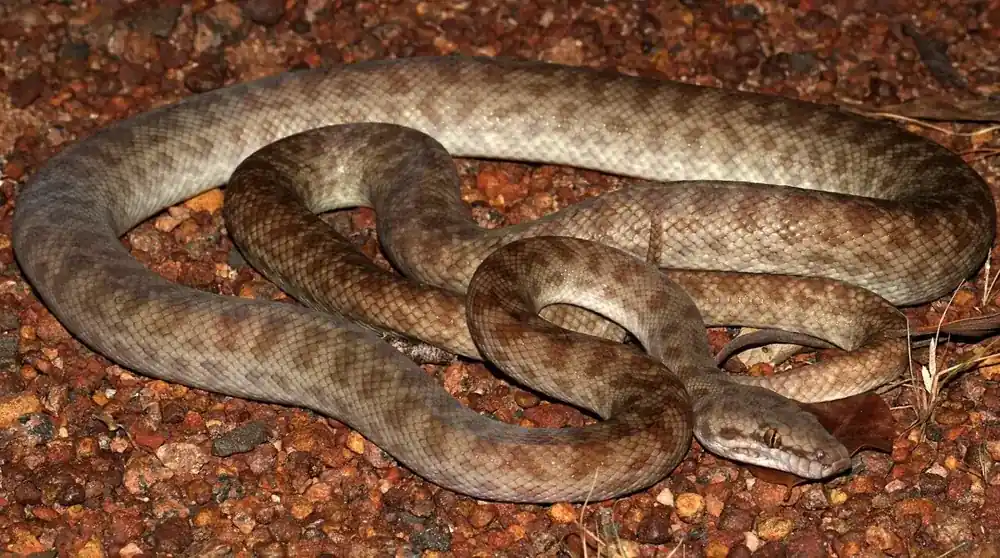
Children’s python
Antaresia childreni
Children’s pythons are small, long-lived snakes that need secure cover and climb capably.
Researched care guide · Some experience
20–30 years reported
 Snakes
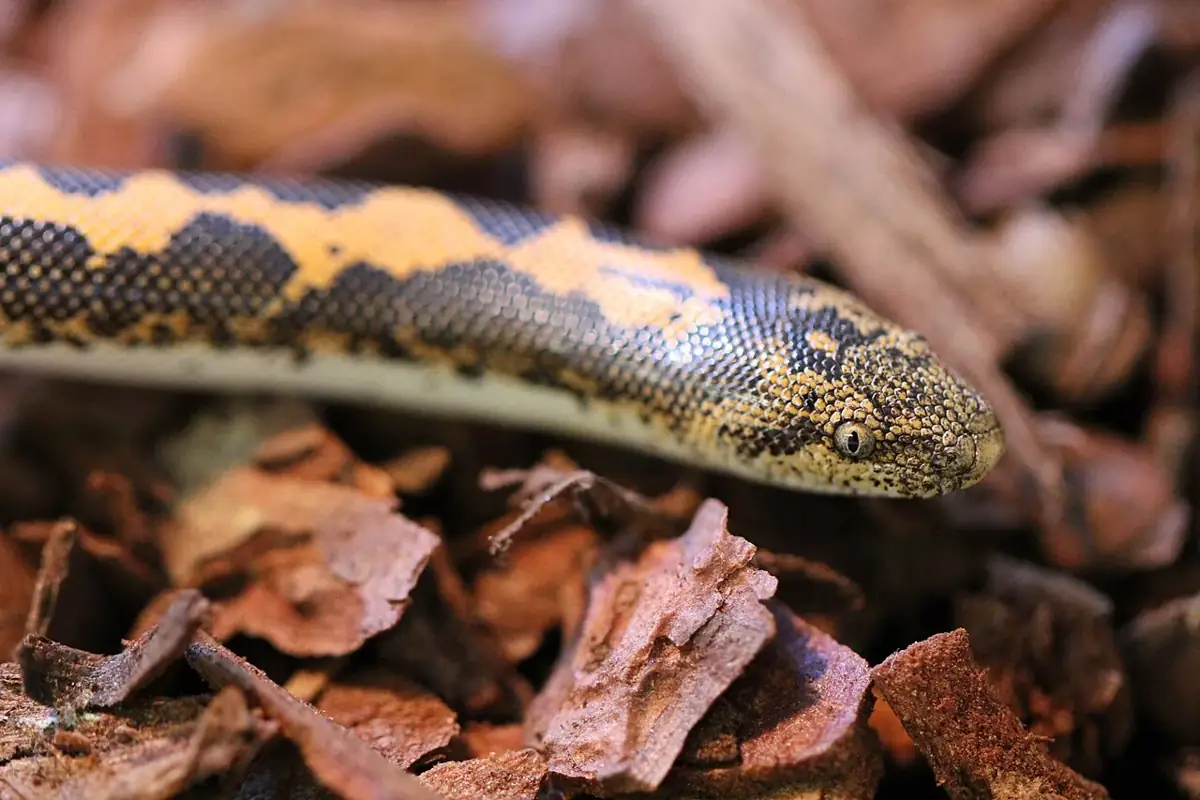
Kenyan sand boa
Eryx colubrinus
Kenyan sand boas are small burrowing snakes that suit keepers who are comfortable with quiet observation and an animal that often stays hidden.
Researched care guide · Some experience
15–30 years in protected care reported
 Snakes
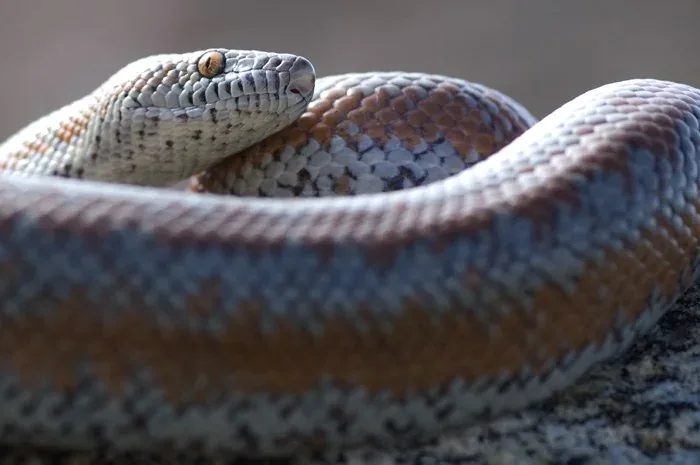
Rosy boa
Lichanura spp.; identify species and locality
Rosy boas move slowly, and their locality, adult size and seasonal care need careful planning.
Researched care guide · Experienced keeper
20–30 years reported
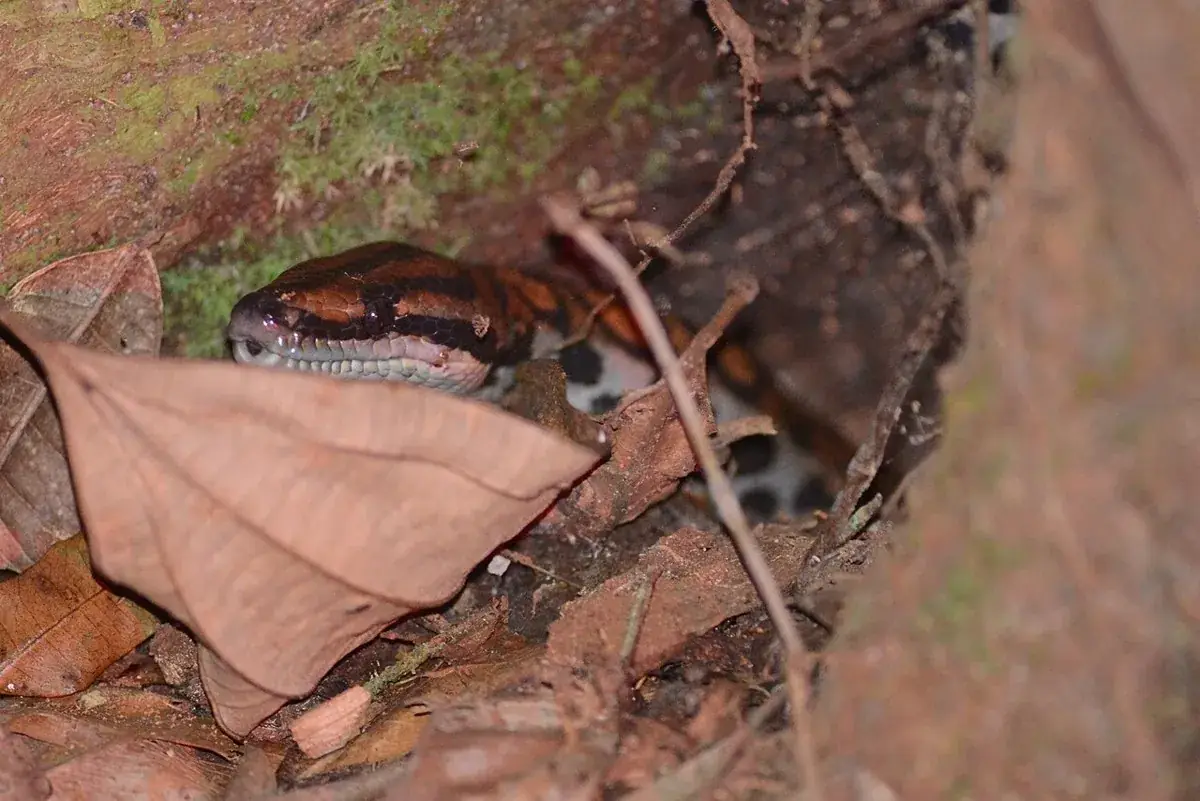 Snakes
Brazilian rainbow boa
Epicrates cenchria
Brazilian rainbow boas have iridescent scales and need reliable moisture, restrained heating and useful ground cover.
Researched care guide · Experienced keeper
20 years reported by Smithsonian; longer reported by care sources
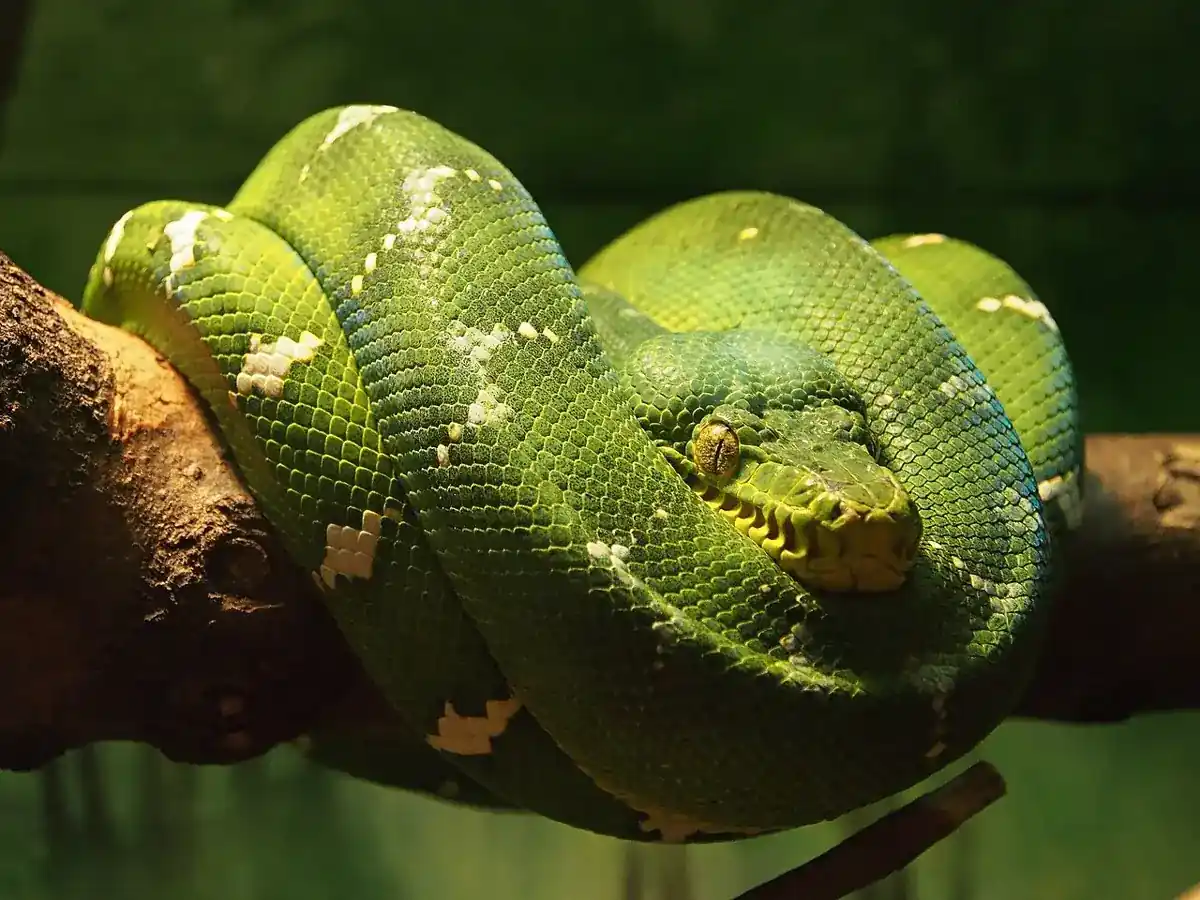 Snakes
Northern emerald tree boa
Corallus caninus
Keep a northern emerald tree boa with secure connected perches, measured moisture and heat choices, and a conservative feeding plan. This guide covers Corallus caninus only.
Researched care guide · Experienced keeper
25+ years possible
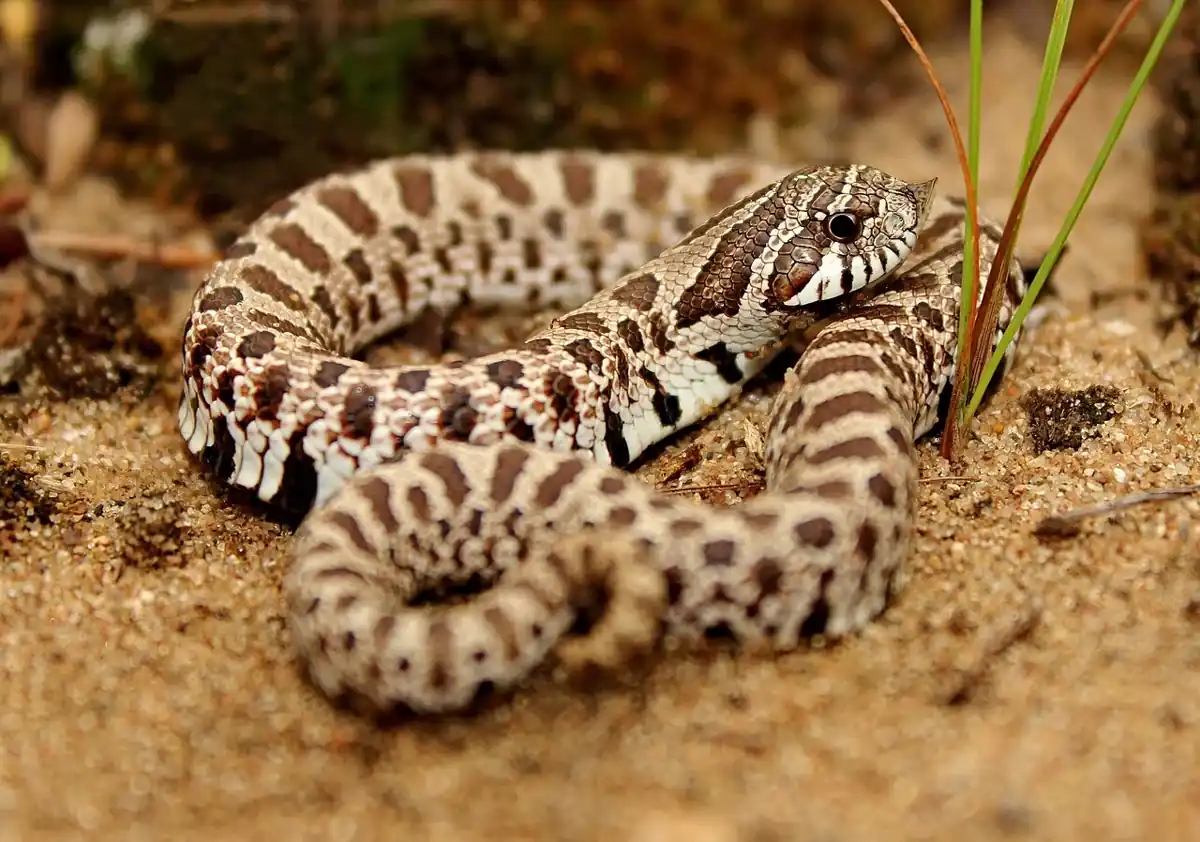 Snakes
Western hognose snake
Heterodon nasicus
Western hognoses are daytime burrowers with upturned noses, and their feeding history needs careful attention.
Researched care guide · Some experience
About 10–15 years; longer is possible.
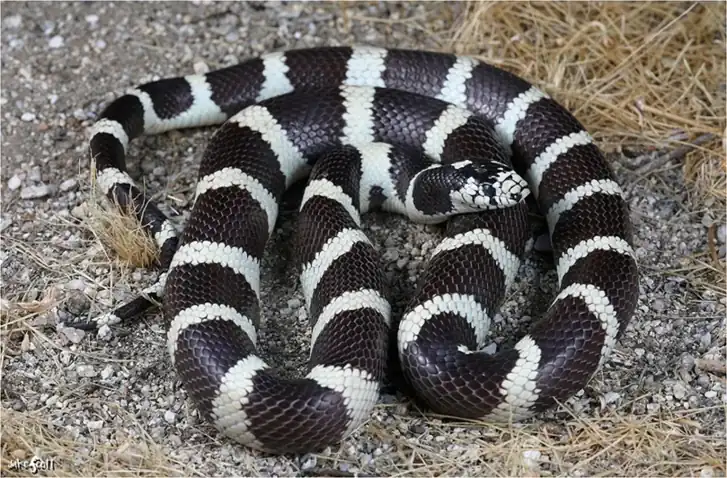 Snakes
California kingsnake
Lampropeltis californiae
California kingsnakes are energetic explorers that suit keepers who enjoy furnishing their enclosure and can manage an enthusiastic feeding response.
Researched care guide · Getting started
20 years or more.
 Snakes
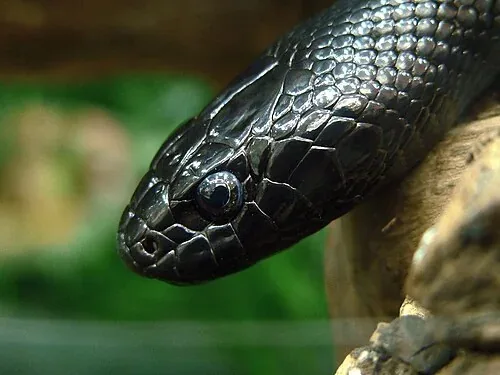
Mexican black kingsnake
Lampropeltis nigrita
Mexican black kingsnakes are glossy, active snakes that need cool, humid shelter as well as a warm basking choice.
Researched care guide · Getting started
20 years or more.
 Snakes
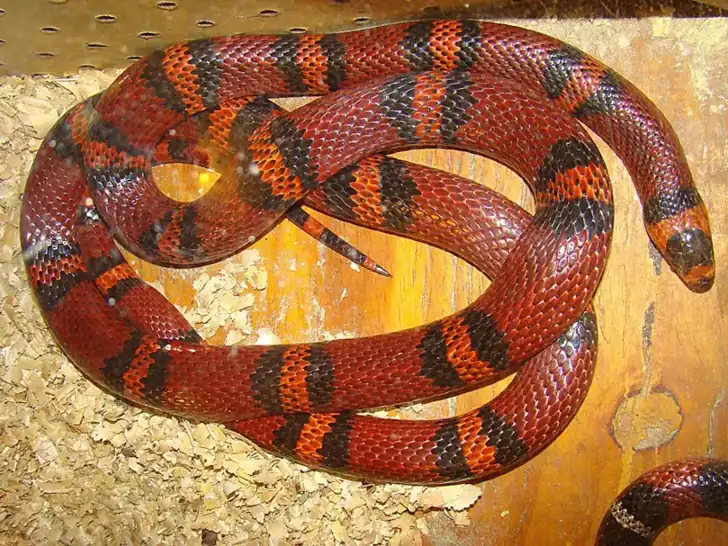
Honduran milk snake
Lampropeltis abnorma (Honduran trade form)
Honduran milk snakes grow large, so plan for their adult length and humid retreat when choosing an animal, whatever its color.
Researched care guide · Some experience
20 years or more.
 Snakes
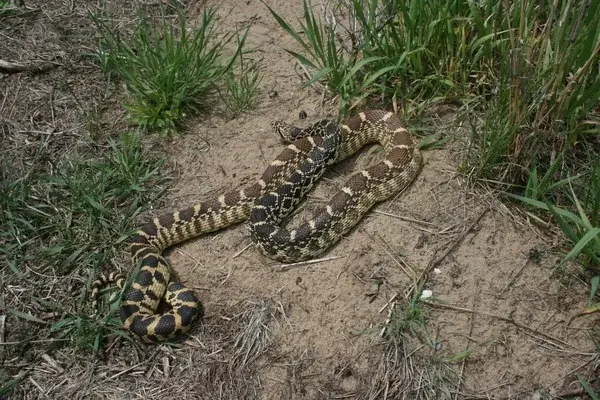
Bullsnake
Pituophis catenifer sayi
Bullsnakes are powerful, active North American snakes that need generous adult floor space and calm handling.
Researched care guide · Some experience
Often 12–25 years; reports exceed 30 years.
 Snakes
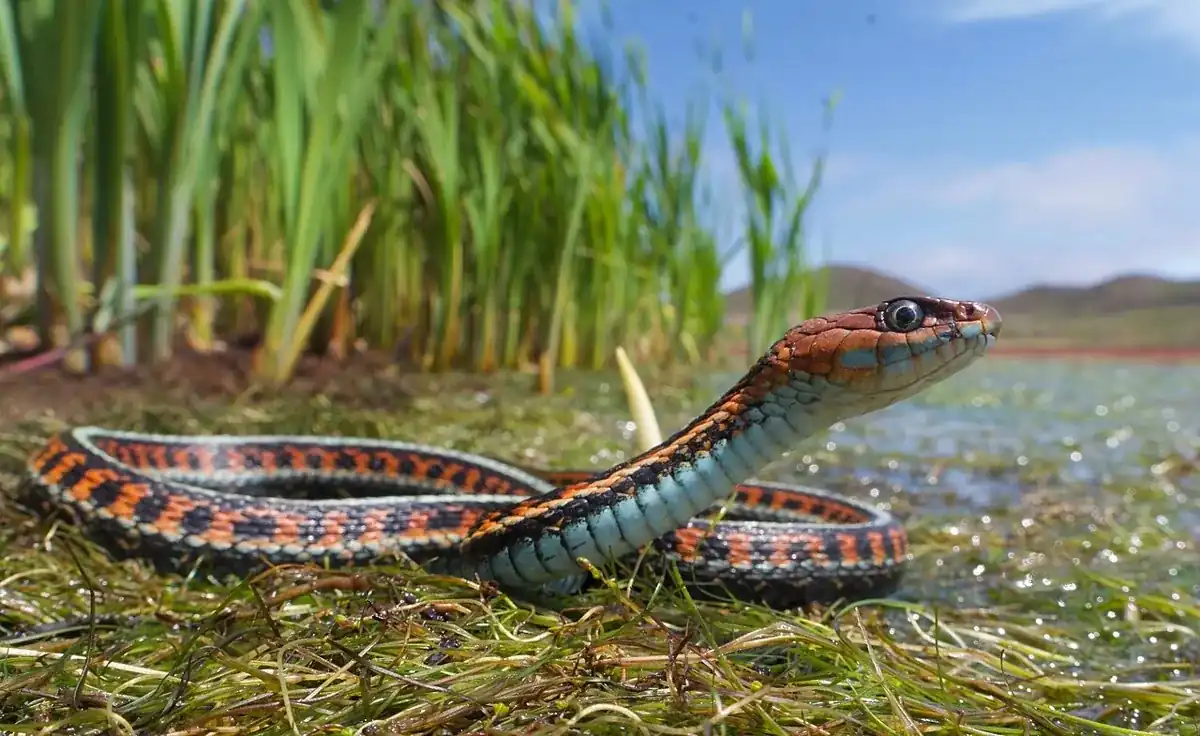
Common garter snake
Thamnophis sirtalis
Common garter snakes are busy daytime animals that need varied prey, clean water and housing secured against very small escape gaps.
Researched care guide · Some experience
About 10–15 years; longer is possible.
 Snakes
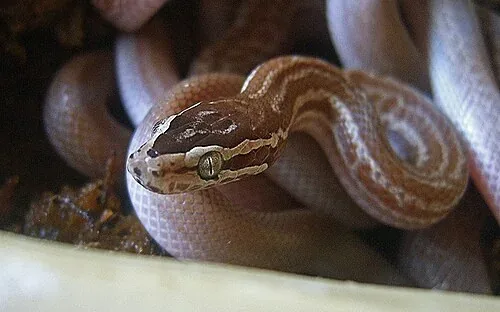
African house snake
Boaedon capensis / fuliginosus trade labels (verify identity)
This house-snake introduction begins with identification because the African trade name covers different animals.
Researched care guide · Some experience
Long-term commitment; identity-specific lifespan confirmation needed.
 Snakes
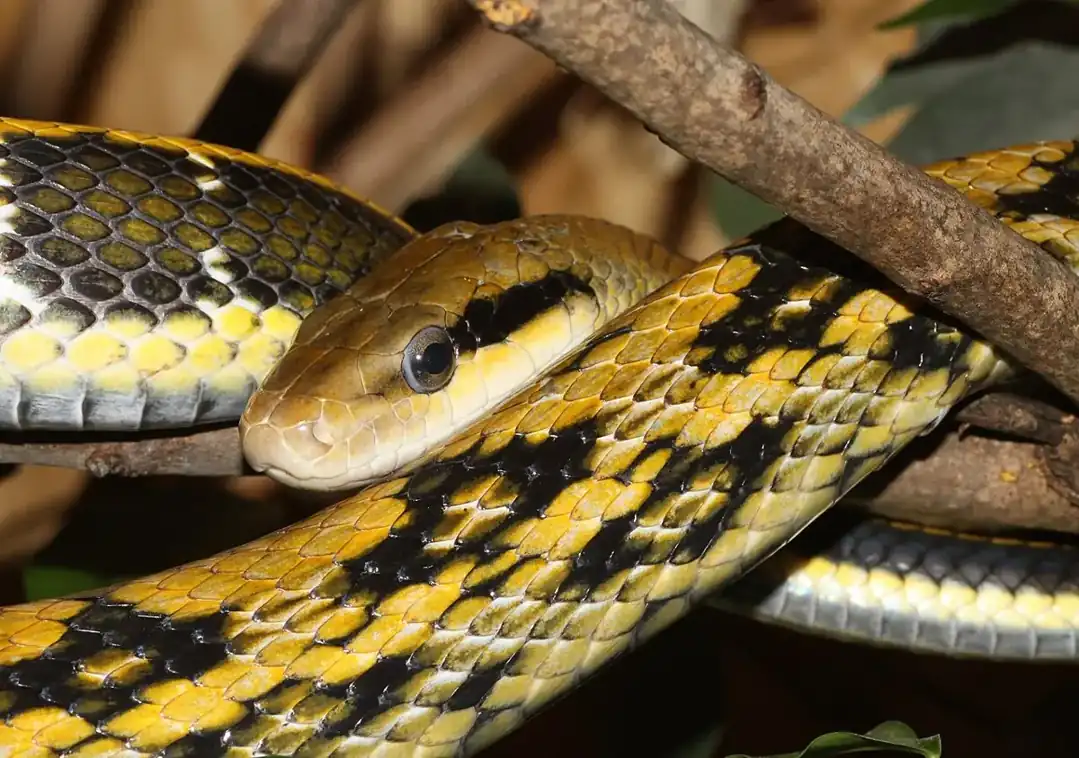
Beauty rat snake
Elaphe taeniura complex (also Orthriophis taeniurus)
Beauty rat snakes are large, fast climbers whose locality must be established before choosing a permanent enclosure or climate plan.
Researched care guide · Experienced keeper
Long-term specialist commitment; locality-specific lifespan confirmation needed.
 Lizards
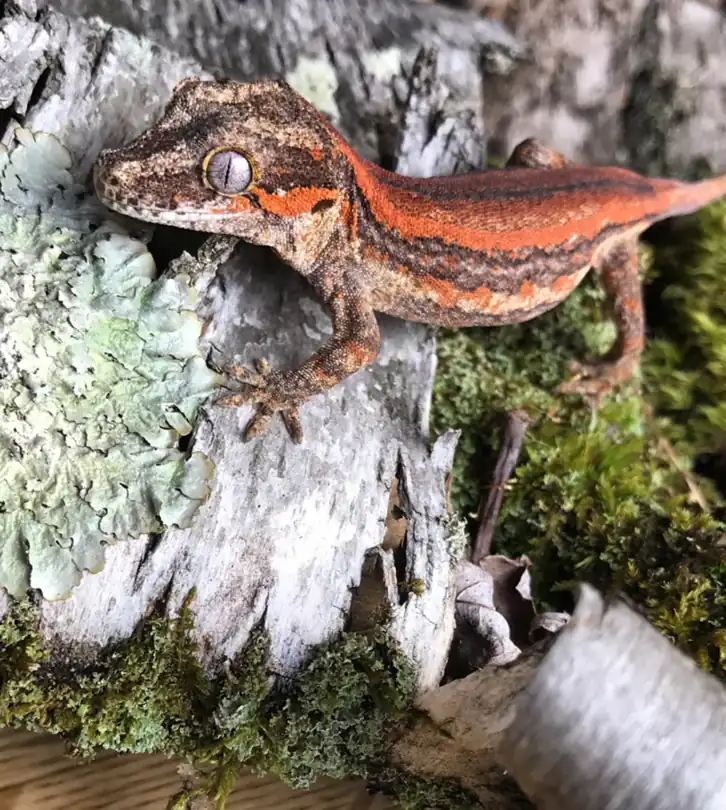
Gargoyle gecko
Rhacodactylus auriculatus
Gargoyle geckos climb and need textured perches, substantial insect feeding and care that may continue for two decades.
Researched care guide · Some experience
Plan for 20–25 years; the linked breeder reports individuals past twenty.
 Lizards
Chahoua gecko
Mniarogekko chahoua
Chahoua geckos are sturdy climbers that need regular live insects, secure resting cover and careful nutrition.
Researched care guide · Some experience
Prepare for more than 20 years; use a 25-year planning horizon.
 Lizards
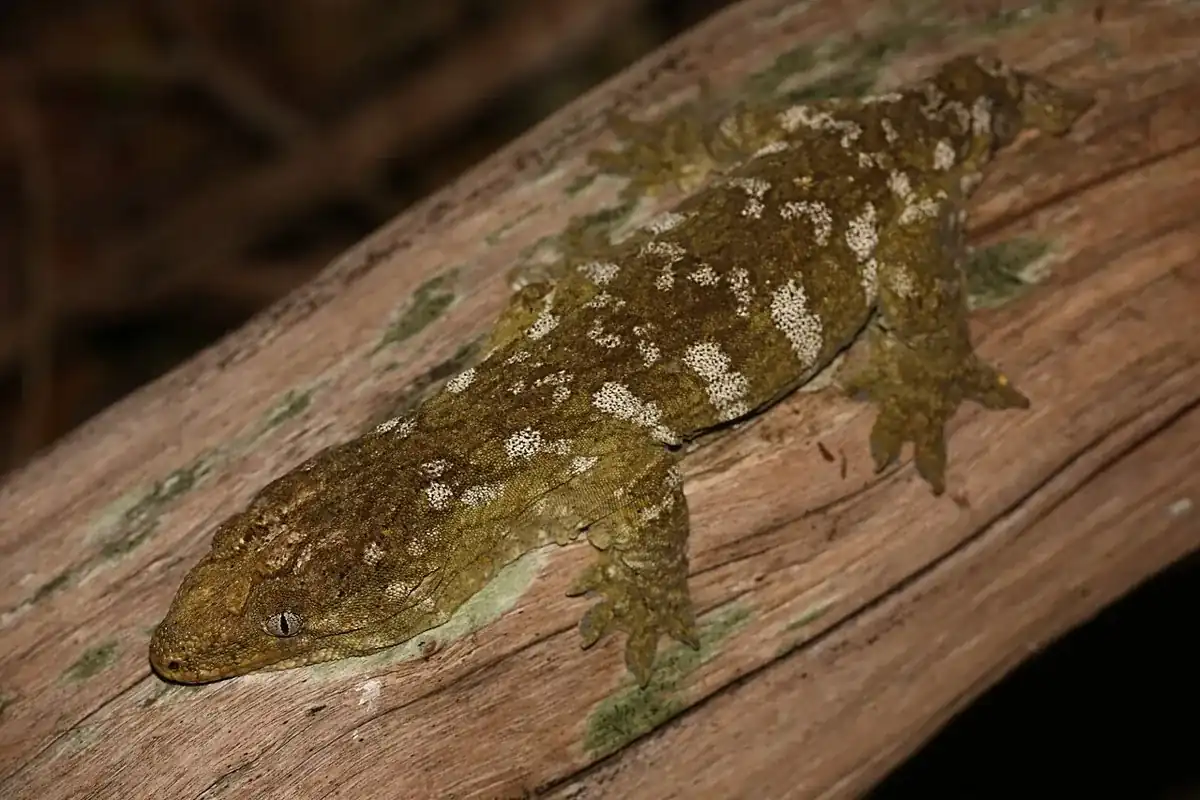
Leachianus gecko
Rhacodactylus leachianus
Leachianus geckos are heavy-bodied tree dwellers whose adult size, strong furnishings and long life need careful advance planning.
Researched care guide · Some experience
Prepare for 20–30 years or longer.
 Lizards
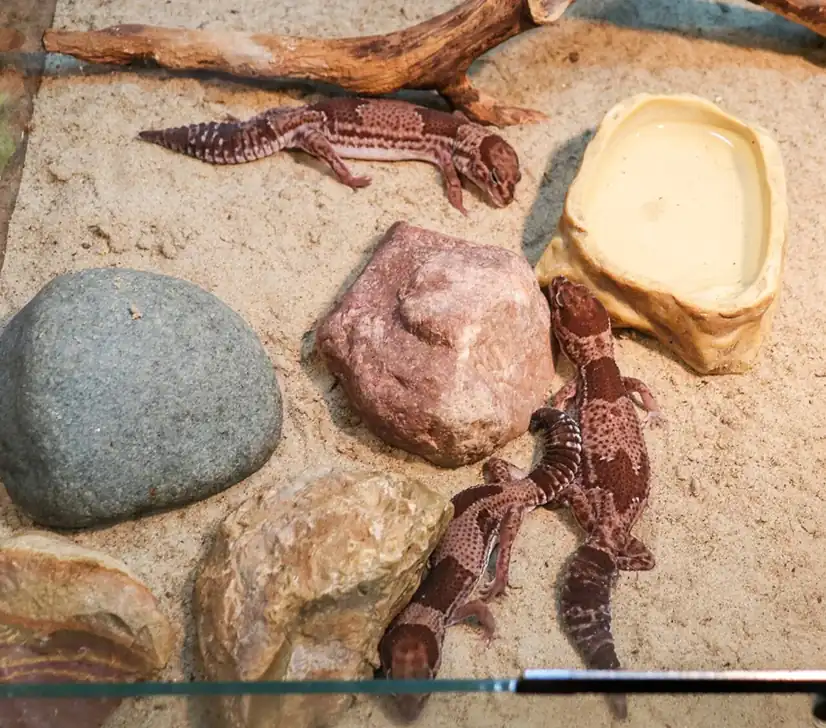
African fat-tailed gecko
Hemitheconyx caudicinctus
African fat-tailed geckos are terrestrial insect eaters that need humid refuges; they are a separate species from leopard geckos, not a colour variant.
Researched care guide · Some experience
Expect a 15–20-year commitment; longer is possible.
 Lizards
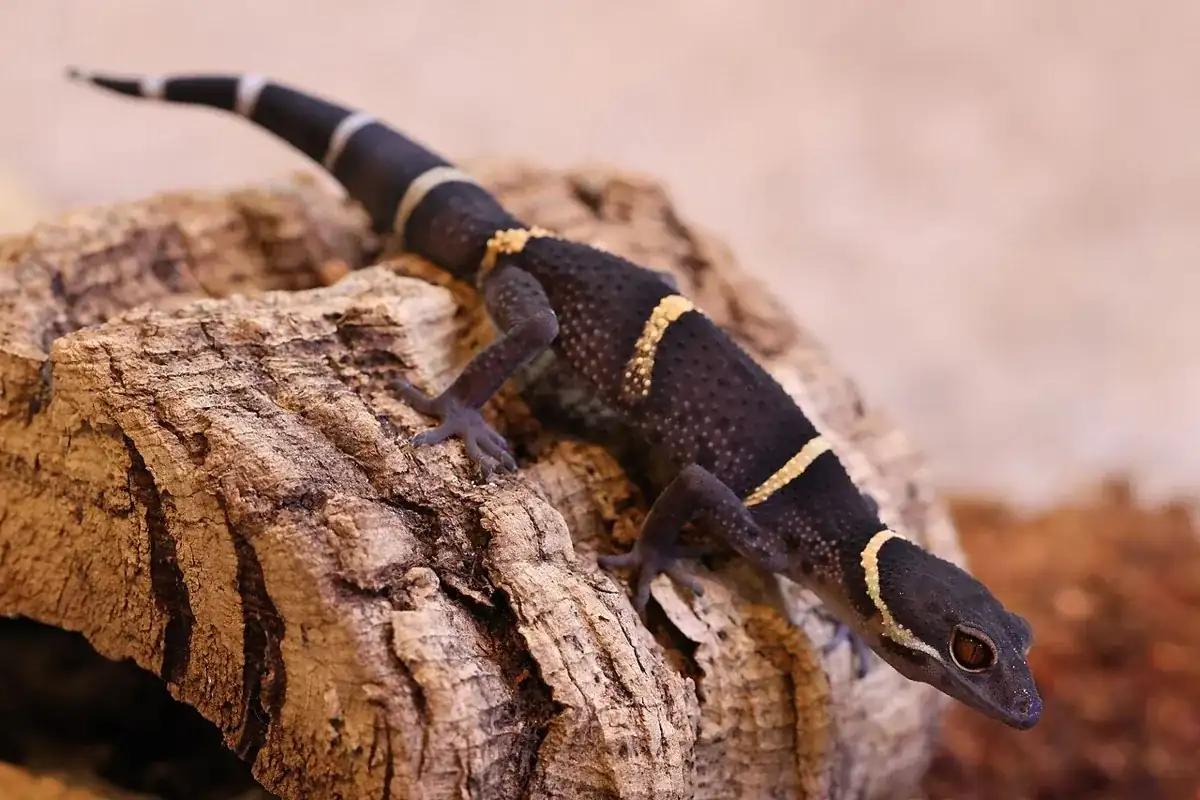
Chinese cave gecko (Hainan)
Goniurosaurus hainanensis
This guide covers G. hainanensis, a gecko from cooler habitats suited to careful observation; other cave geckos sold under the same label need their own care plans.
Researched care guide · Some experience
Prepare for 10–15 years or longer.
 Lizards
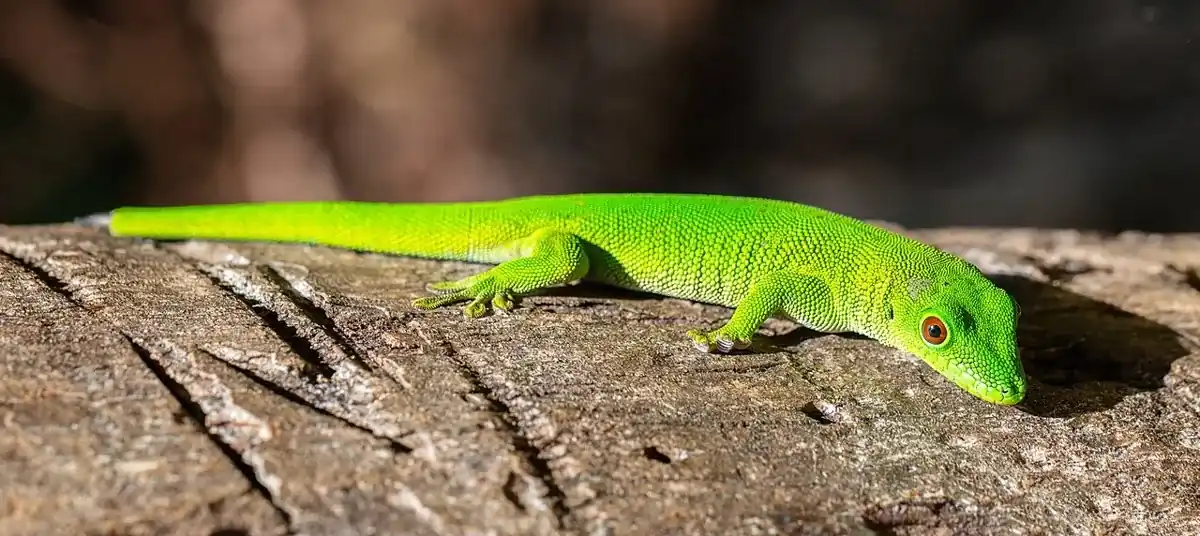
Giant day gecko
Phelsuma grandis
Giant day geckos are vividly colored daytime display animals that need tall, bright habitats and careful hands-off maintenance.
Researched care guide · Some experience
Plan for 15–20 years.
 Lizards
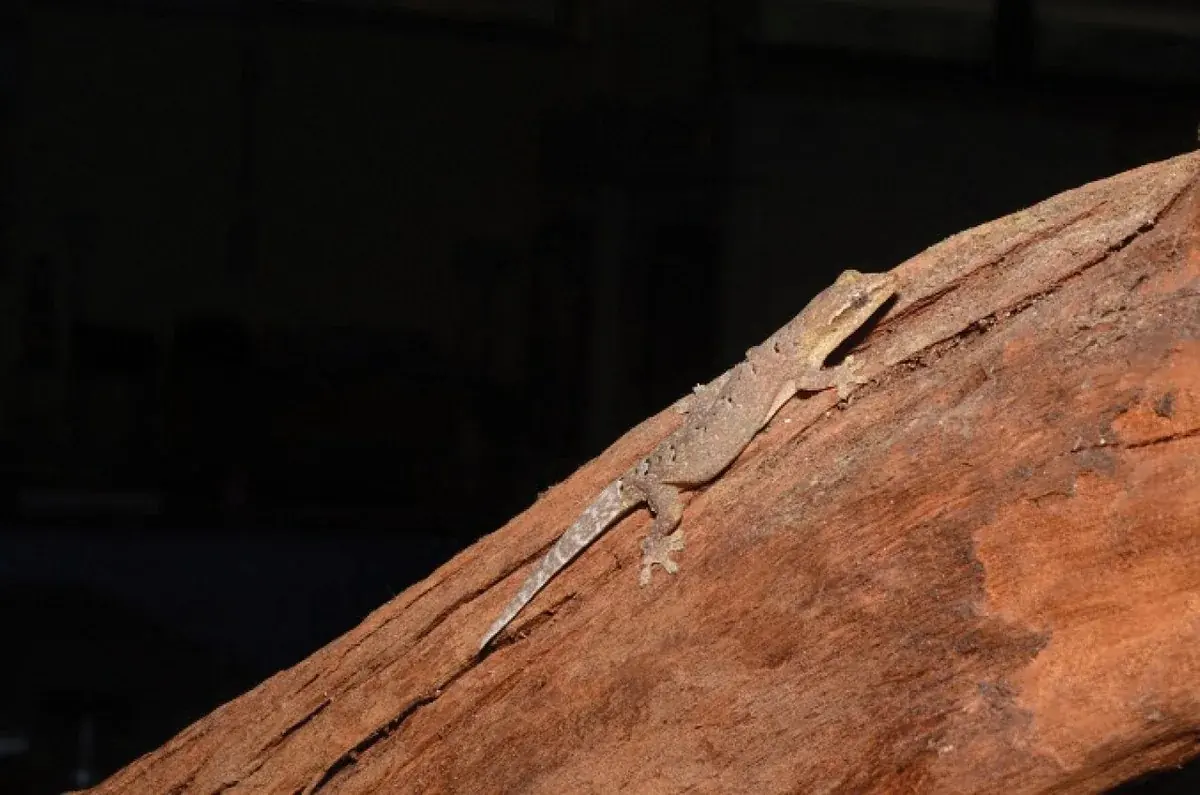
Mourning gecko
Lepidodactylus lugubris
Mourning geckos are tiny social display animals that need escape-proofing, miniature food and planning for inevitable reproduction.
Researched care guide · Some experience
About 10 years, with reports of 15; plan for continuing offspring care
 Lizards
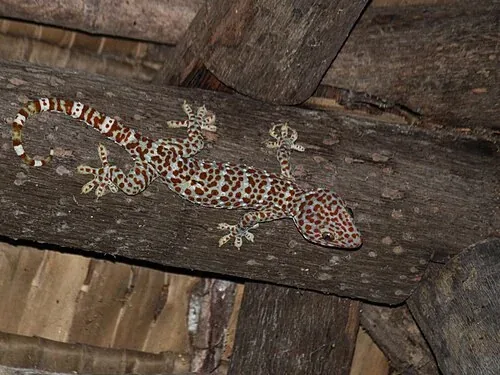
Tokay gecko
Gekko gecko
Tokay geckos are powerful, vocal nocturnal display animals that require secure tall housing and confident, low-stress maintenance.
Researched care guide · Experienced keeper
Plan for 15–20 years; published lifespan estimates vary.
 Lizards
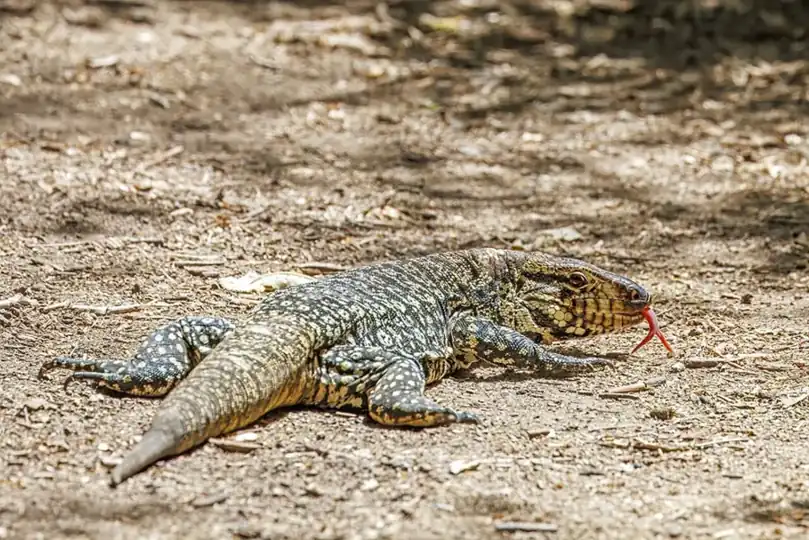
Argentine black-and-white tegu
Salvator merianae
Argentine black-and-white tegus are powerful, inquisitive omnivores, and housing an adult requires substantial building work.
Researched care guide · Experienced keeper
Plan for 15–20 years, with the possibility of longer.
 Lizards
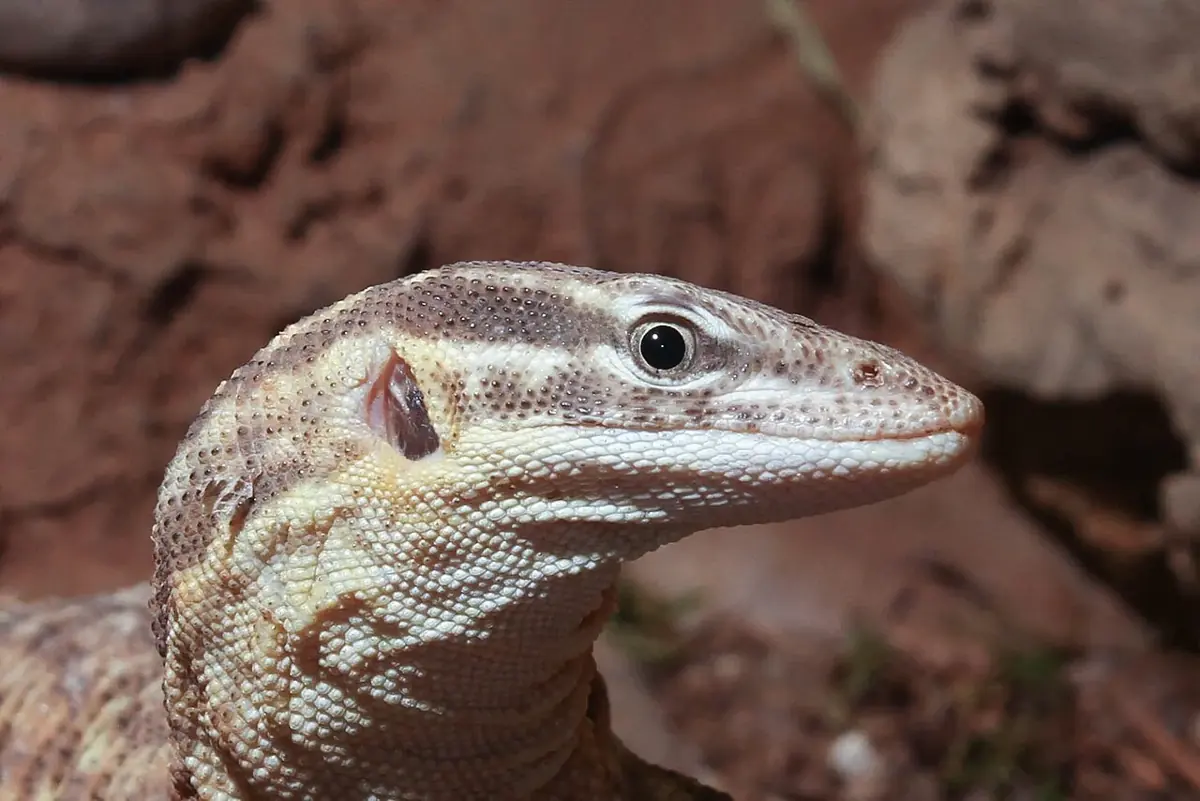
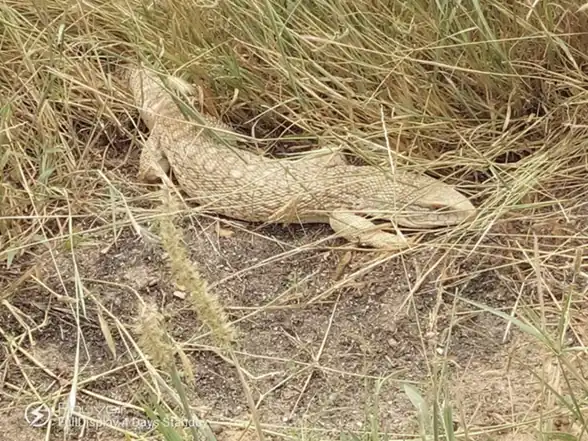
Ackie monitor
Varanus acanthurus
Ackie monitors are active dwarf monitors that need deep digging space, secure rockwork and carefully measured heating.
Researched care guide · Experienced keeper
At least 15 years is possible with good care.
 Lizards
Savannah monitor
Varanus exanthematicus
Savannah monitors are strong burrowing insect eaters that require specialist housing and careful feeding to prevent overfeeding.
Researched care guide · Experienced keeper
A 10–15-year planning reference; individual outcomes vary.
 Lizards
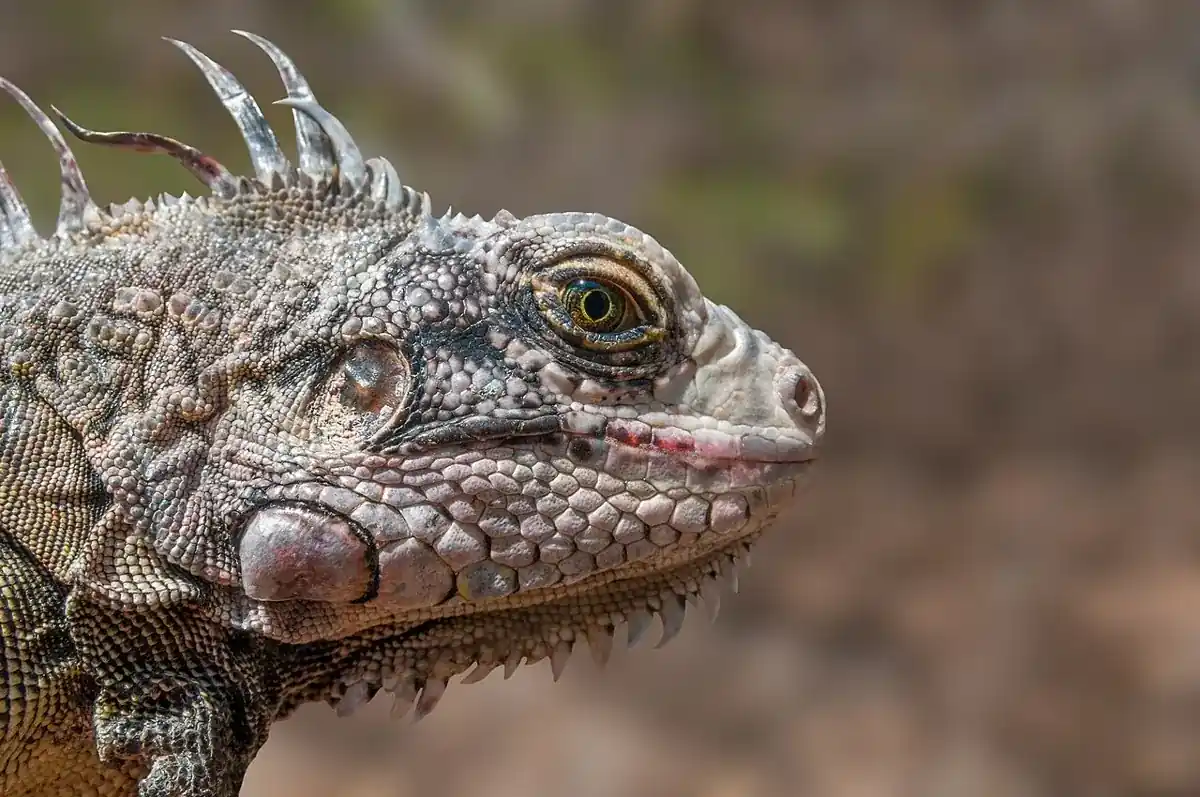
Green iguana
Iguana iguana
Green iguanas are giant herbivores that need tall permanent homes, fresh food and experienced handling arrangements.
Researched care guide · Experienced keeper
Plan for 15–20 years or longer.
 Lizards
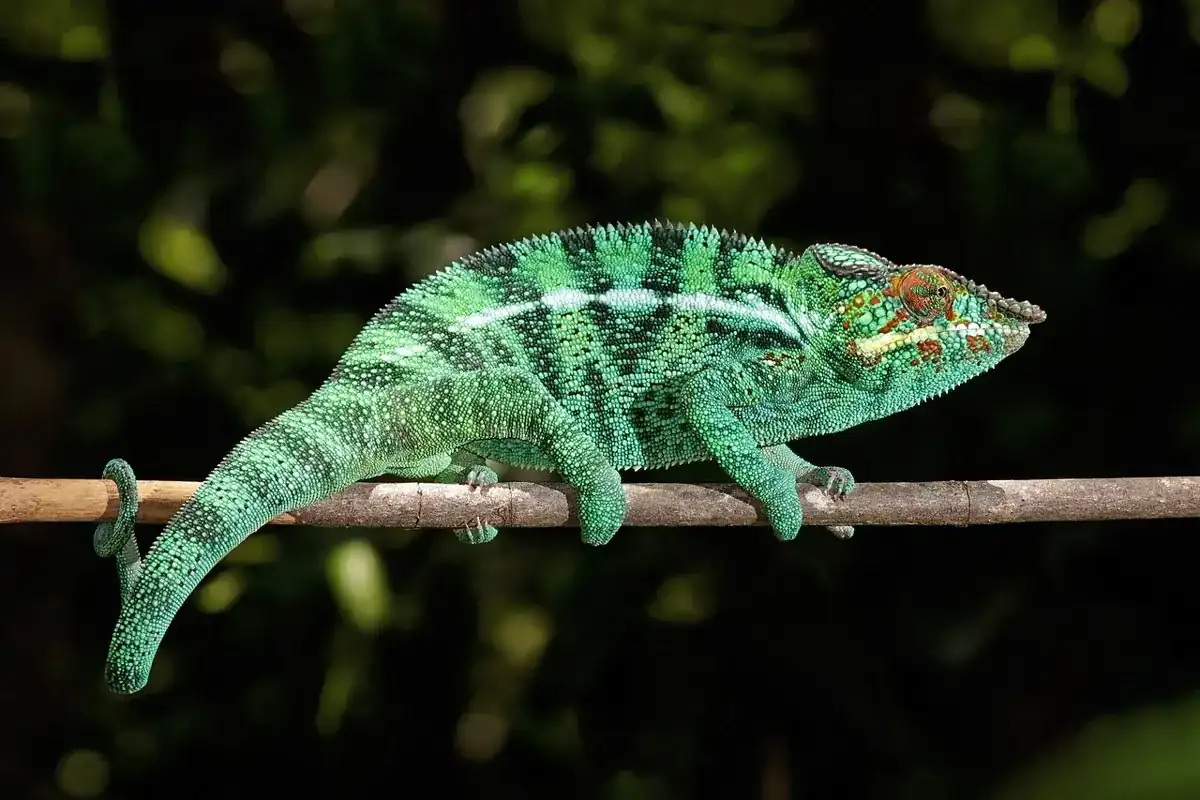
Panther chameleon
Furcifer pardalis
Panther chameleons are solitary reptiles suited to observation by keepers who enjoy maintaining a planted climbing habitat and hydration system.
Researched care guide · Experienced keeper
Several years of daily care; sex and reproductive history affect longevity.
 Lizards
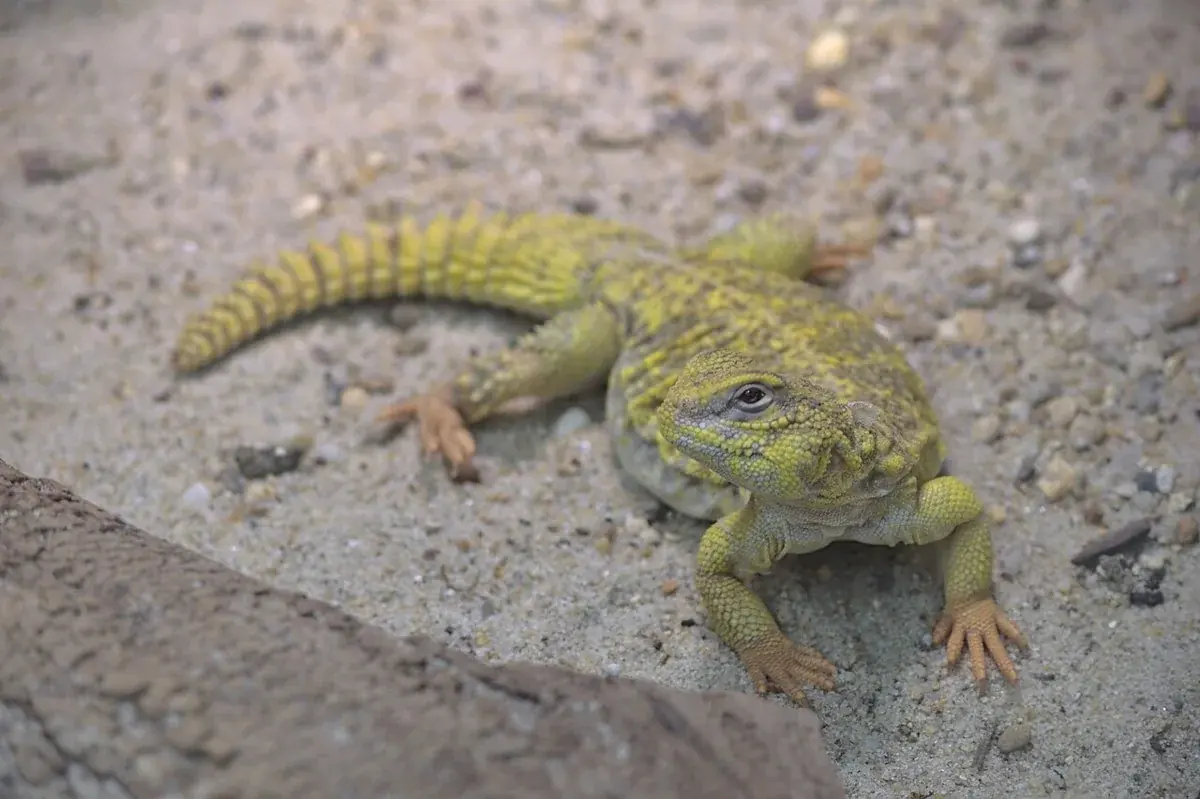
Saharan uromastyx
Uromastyx geyri
Saharan uromastyx are plant-eating daytime lizards whose care depends on broad basking areas, bright light and secure retreats.
Researched care guide · Some experience
Potentially decades; verified geyri-specific longevity limits remain uncertain.
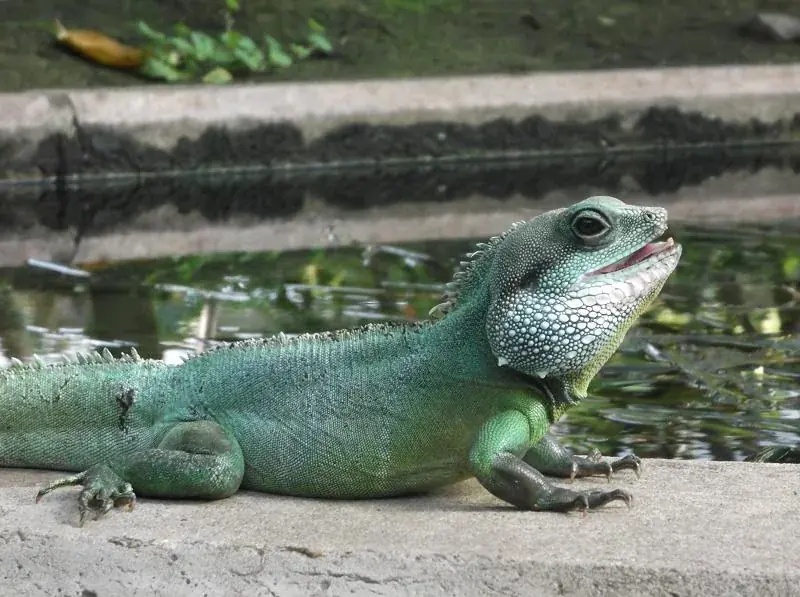 Lizards
Chinese water dragon
Physignathus cocincinus
Chinese water dragons climb and swim, so their tall, wet habitats need careful maintenance planning.
Researched care guide · Experienced keeper
A 10–15-year planning reference with good care.
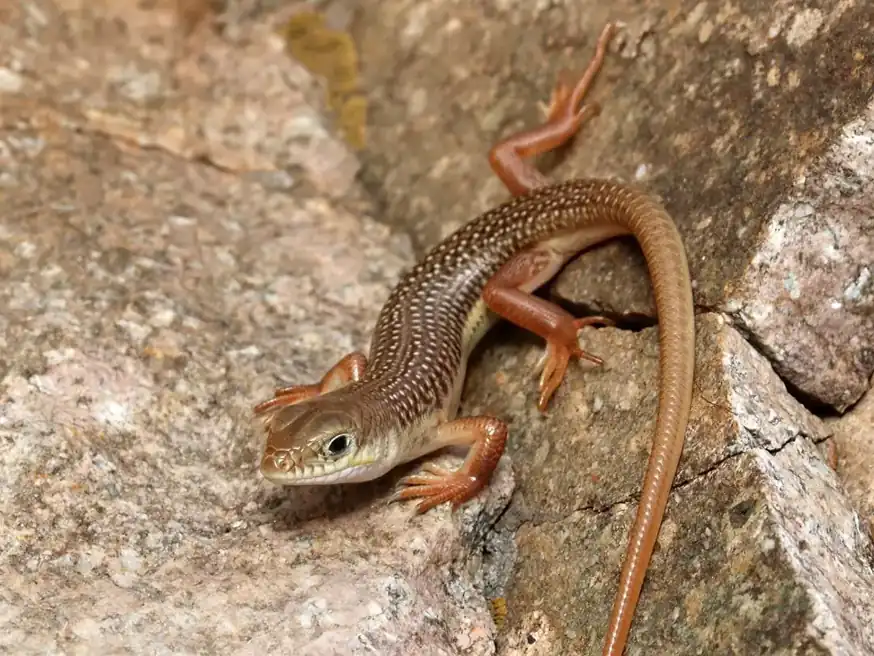 Lizards
Schneider’s skink
Eumeces schneiderii
Schneider’s skinks burrow and suit patient keepers who can maintain live feeders and a stable, varied ground habitat.
Researched care guide · Some experience
Fifteen years or more is reported.
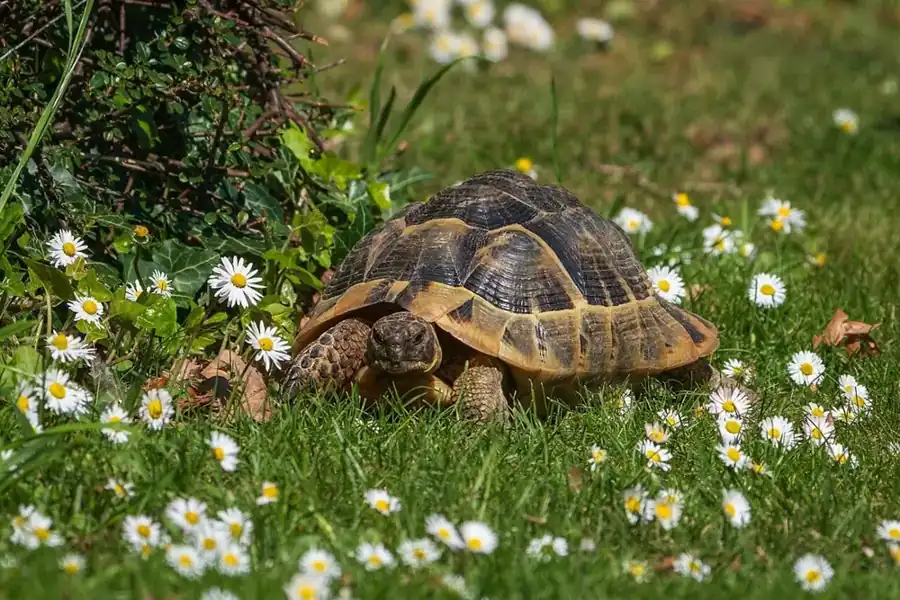 Turtles & tortoises
Hermann’s tortoise
Testudo hermanni
Provide a spacious planted pen, measured basking and UVB, varied leafy forage and a planned winter routine for one Hermann’s tortoise.
Researched care guide · Some experience
50+ years; some Mediterranean tortoises approach a century
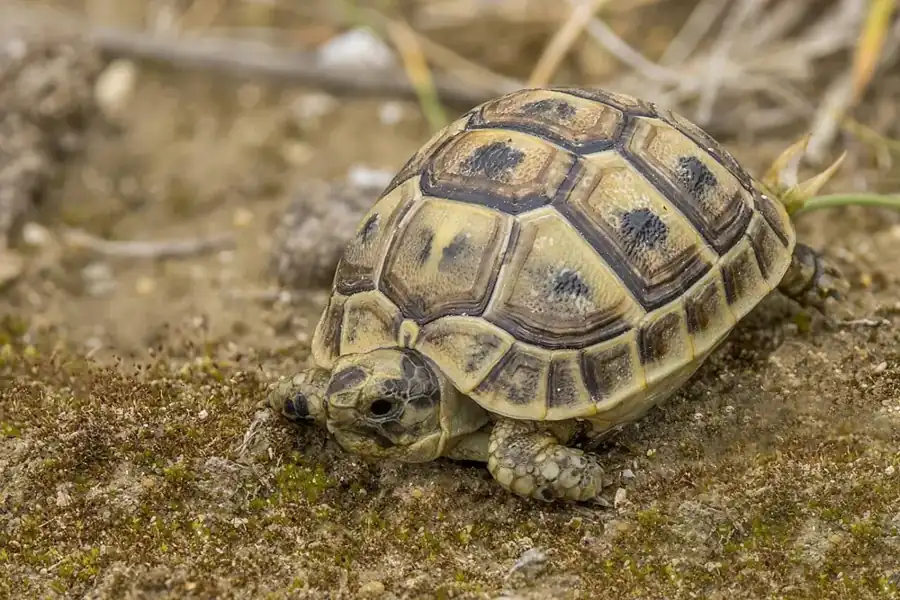 Turtles & tortoises
Greek tortoise
Testudo graeca
Size housing to the adult shell and choose climate and winter care from the documented Greek tortoise form.
Researched care guide · Experienced keeper
50+ years; plan for succession care
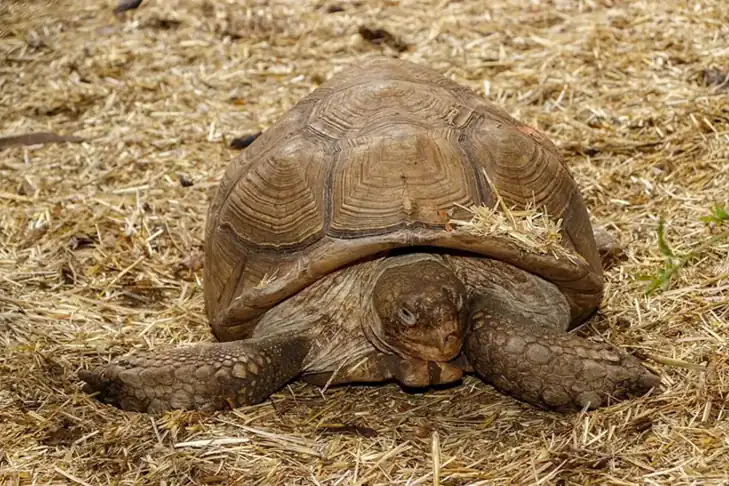 Turtles & tortoises
Sulcata tortoise
Centrochelys sulcata
Prepare adult grazing ground, controlled winter housing and safe digging space before bringing home a sulcata.
Researched care guide · Experienced keeper
Often 50–80 years; longevity can exceed this
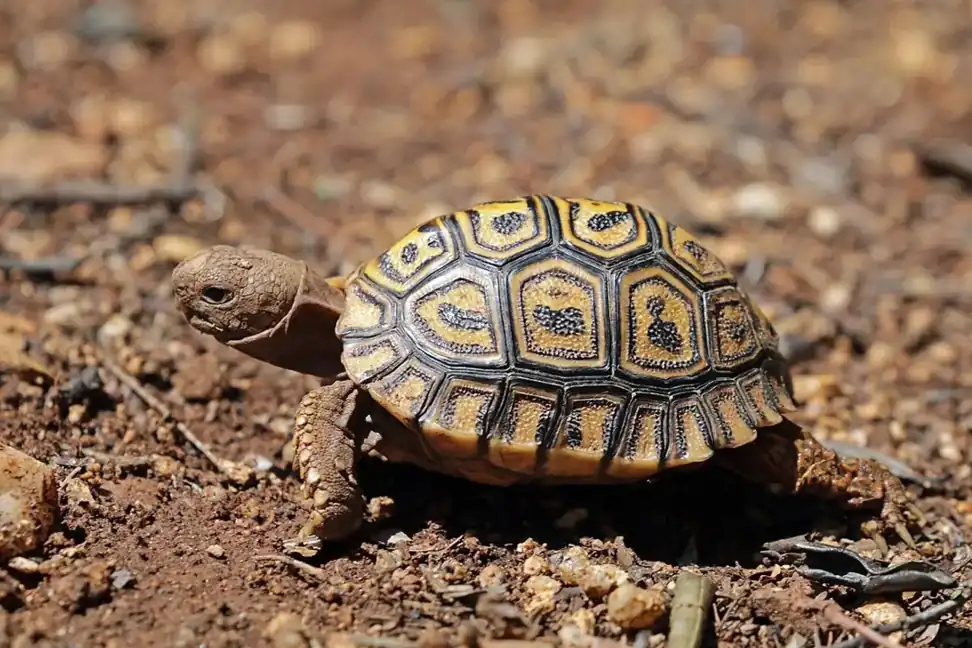 Turtles & tortoises
Leopard tortoise
Stigmochelys pardalis
Provide broad grazing space, reliable warmth and a measured moisture gradient for a leopard tortoise throughout its long life.
Researched care guide · Experienced keeper
Potentially up to 100 years; an intergenerational commitment
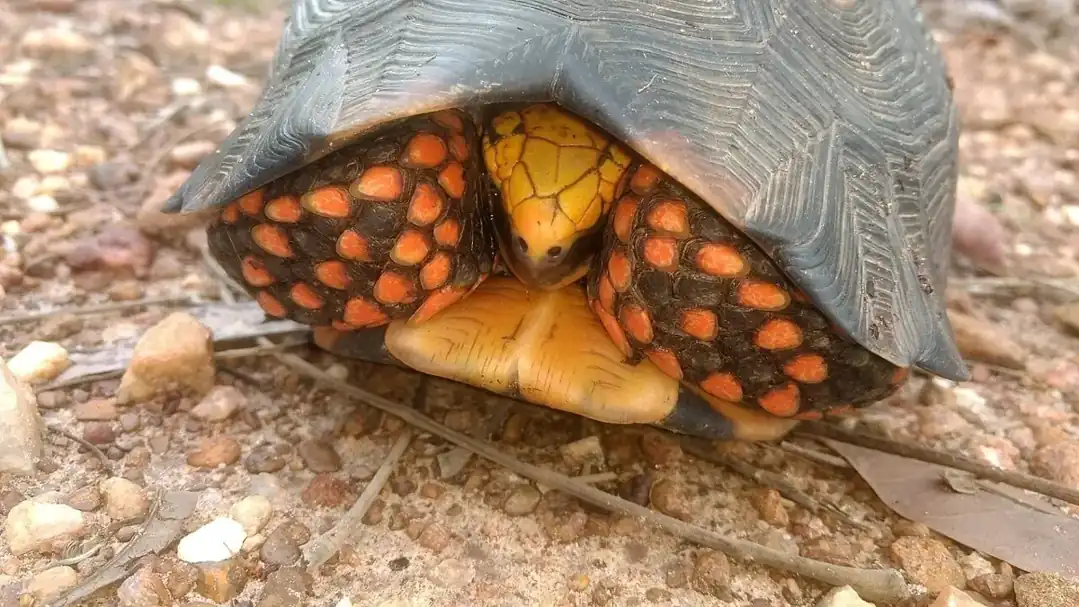 Turtles & tortoises
Red-footed tortoise
Chelonoidis carbonaria
Red-footed tortoises are active tropical omnivores that need spacious, humid habitats with ventilation and dependable drainage.
Researched care guide · Some experience
50 years or longer is possible
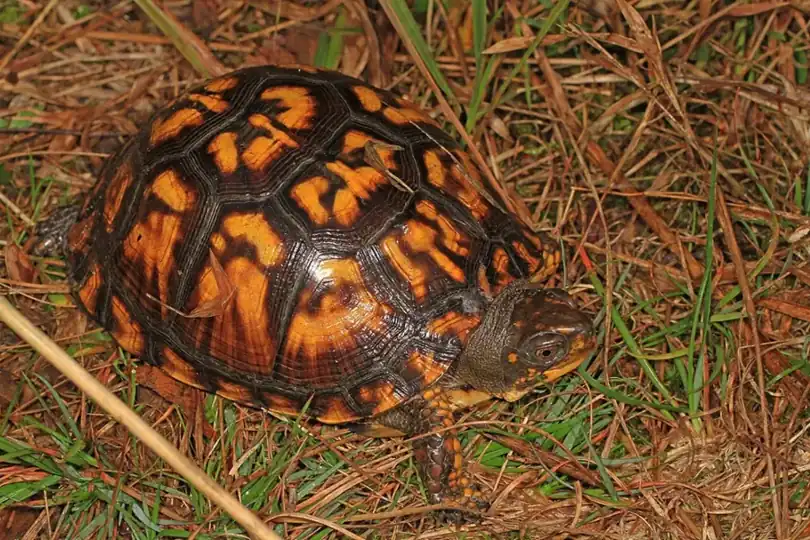 Turtles & tortoises
Eastern box turtle
Terrapene carolina carolina
Eastern box turtles forage on the ground and need leaf litter, sheltered moisture and ample walking space despite their small shells.
Researched care guide · Some experience
40+ years; exceptional box turtles live far longer
 Turtles & tortoises
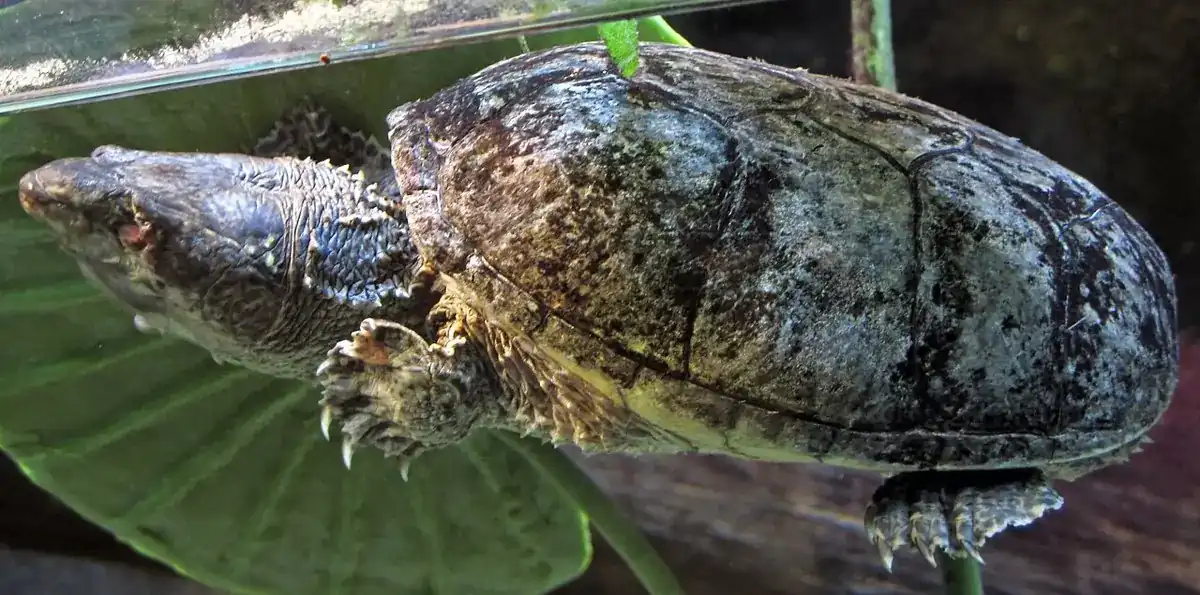
Common musk turtle
Sternotherus odoratus
Common musk turtles are small, long-lived aquatic turtles that need accessible surface rests, clean water and a fully dry basking option.
Researched care guide · Some experience
30–50 years in the cited veterinary guide
 Turtles & tortoises
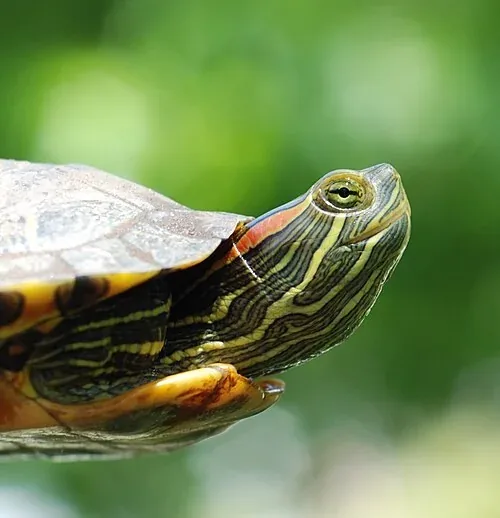
Painted turtle
Chrysemys picta
Painted turtles are strong swimmers and baskers whose adult water volume, sex and subspecies shape the entire setup.
Researched care guide · Some experience
Up to 40 years in the cited care source; plan for a long commitment
 Snakes
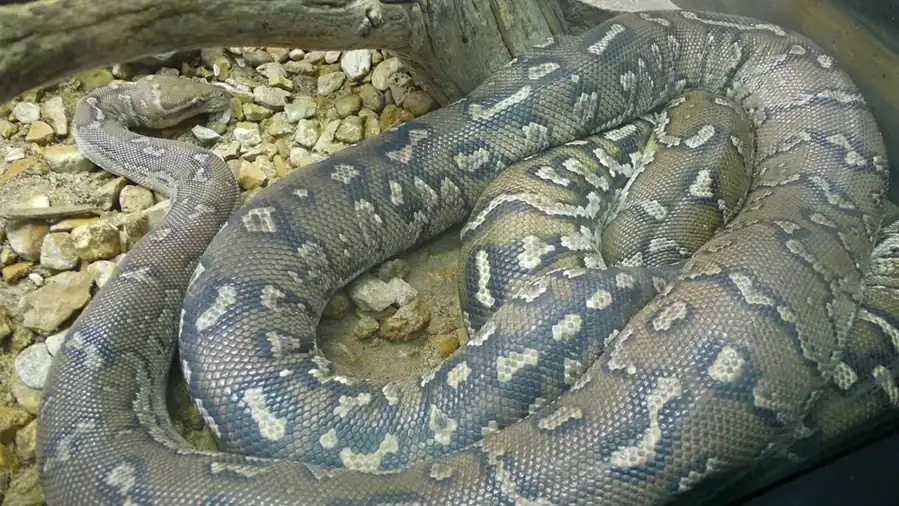
Angolan python
Python anchietae
Plan a secure rocky habitat, useful burrowing space and measured warmth for one Angolan python.
Researched care guide · Experienced keeper
20–30 years reported by Virginia Zoo; estimate, not a guaranteed maximum
 Snakes
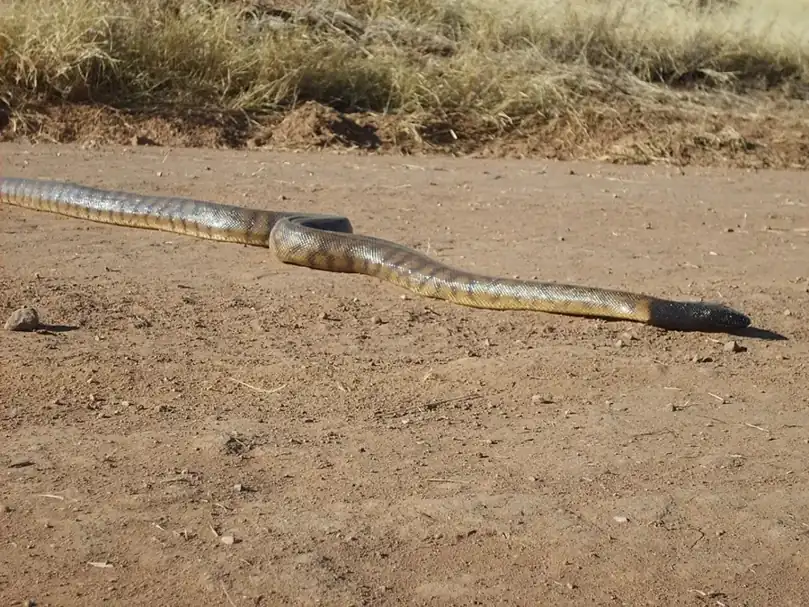
Black-headed python
Aspidites melanocephalus
Provide room to travel and burrow, safe heating and an individual feeding plan for this powerful Australian python.
Researched care guide · Experienced keeper
20–30 years reported by Smithsonian; plan for a multi-decade responsibility
 Snakes
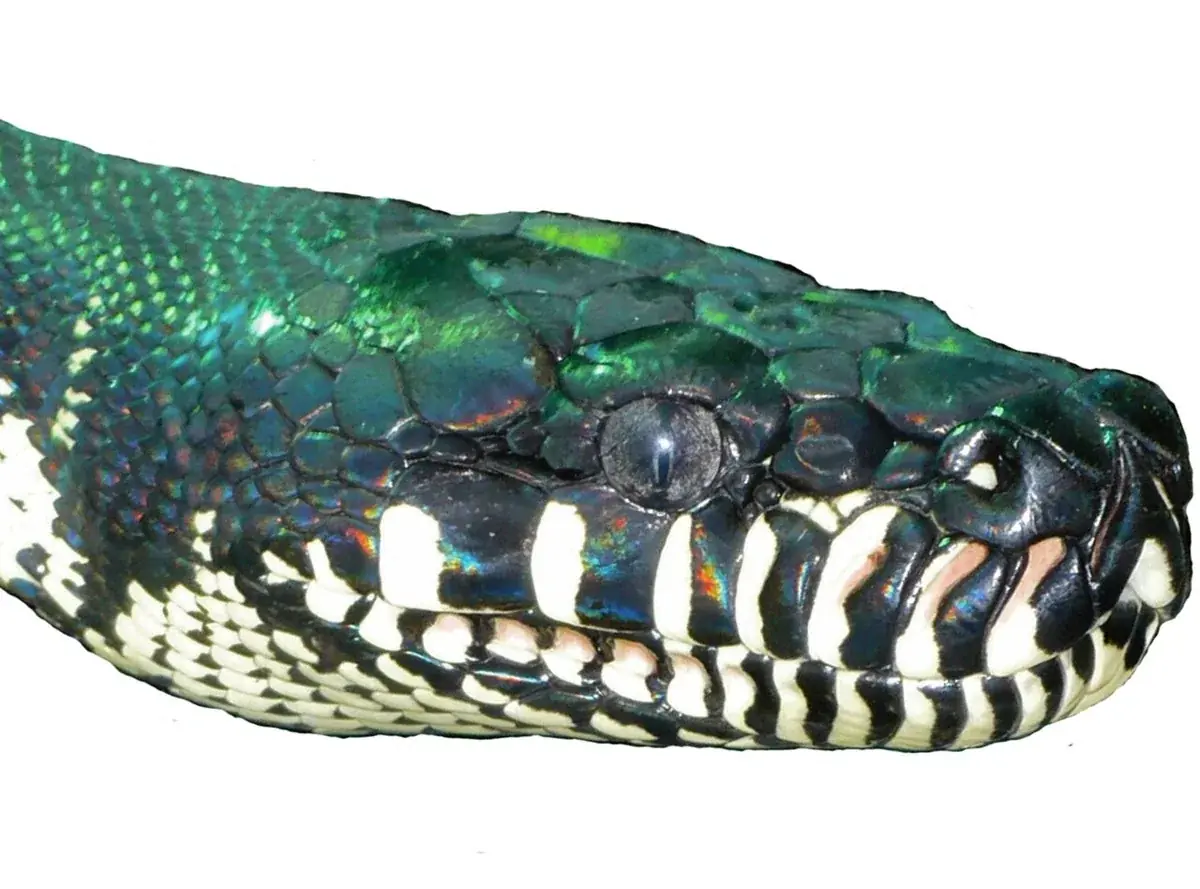
Boelen’s python
Simalia boeleni
Plan adult space, cool retreats and documented specialist care for this New Guinea highland python.
Researched care guide · Experienced keeper
Captive lives exceeding 20 years are reported; a reliable maximum remains uncertain
 Snakes
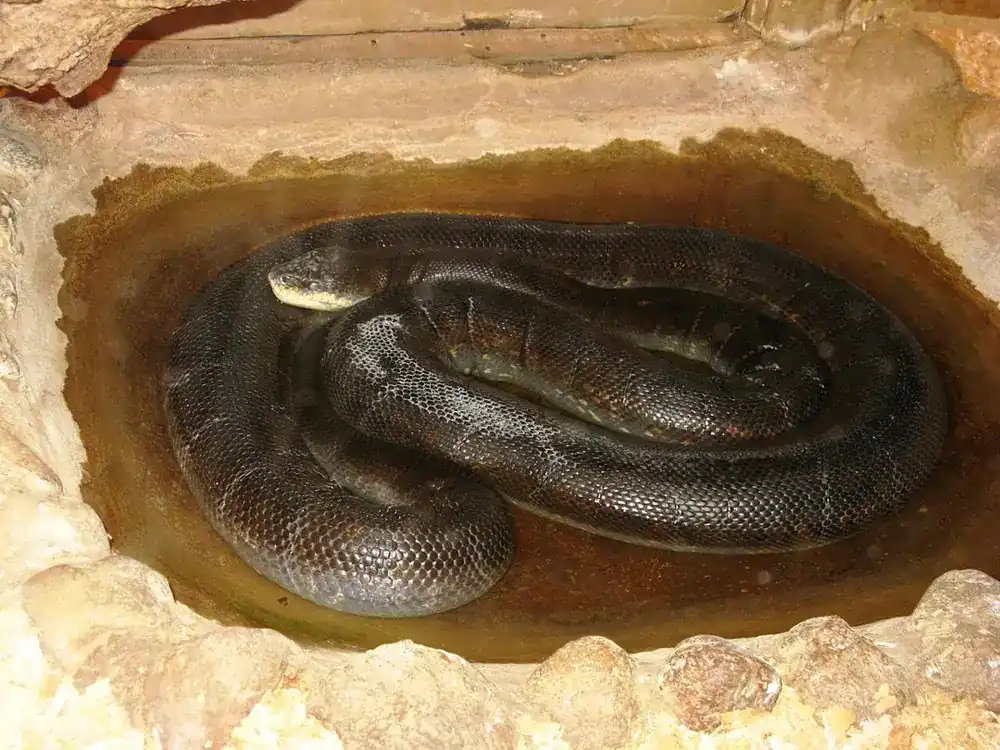
Macklot’s python
Liasis mackloti
Build connected floor and climbing routes, accessible soaking water and a measured humid environment for a Macklot’s python.
Researched care guide · Experienced keeper
Pretoria Zoo reports about 17 years; treat this as an estimate, not a lifespan maximum
 Snakes
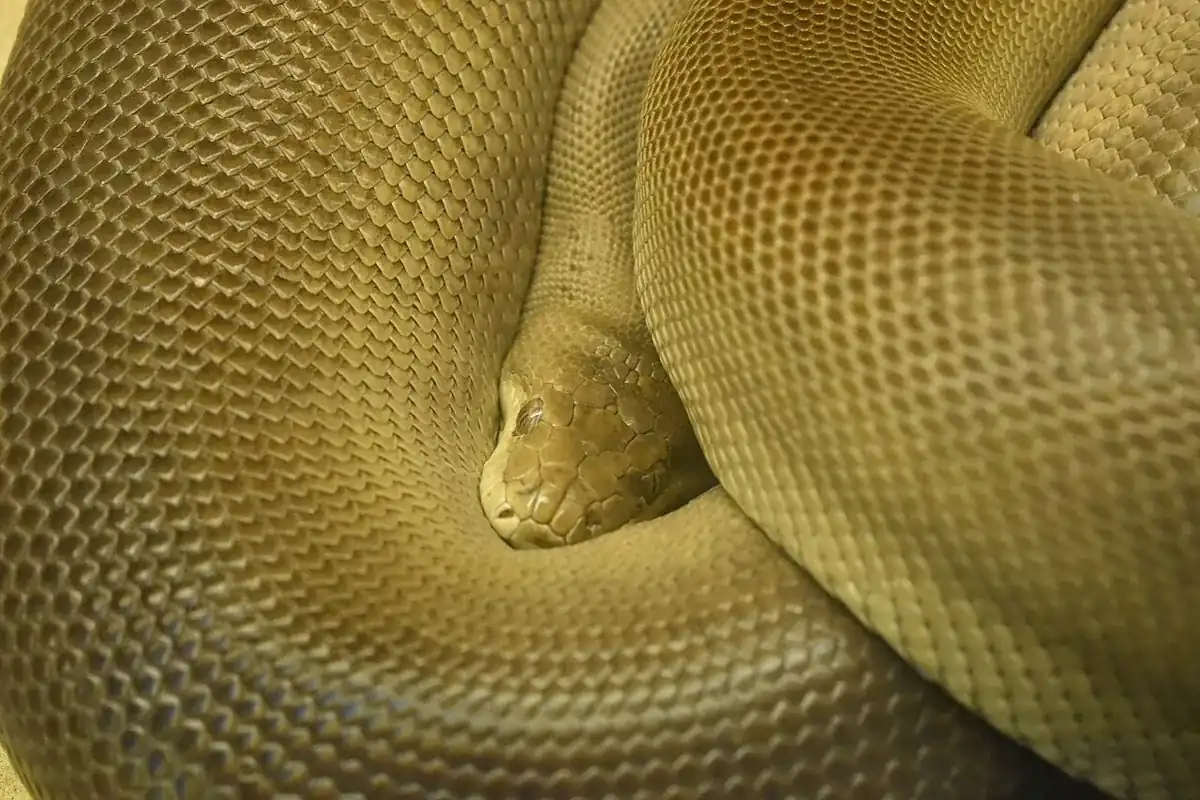
Olive python
Liasis olivaceus
Prepare full-length adult housing, controlled warm retreats and secure servicing for a powerful Australian python.
Researched care guide · Experienced keeper
Long-term responsibility; precise species longevity remains uncertain in the cited zoo account
 Snakes
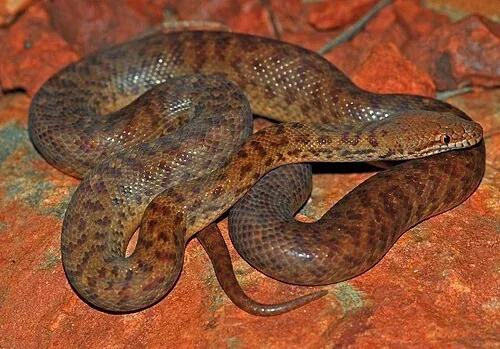
Pygmy python
Antaresia perthensis
Build a secure, varied habitat for this small Western Australian python and choose an animal already feeding reliably.
Researched care guide · Experienced keeper
Long-term commitment; commercial lifespan estimates are not treated as an established maximum
 Snakes
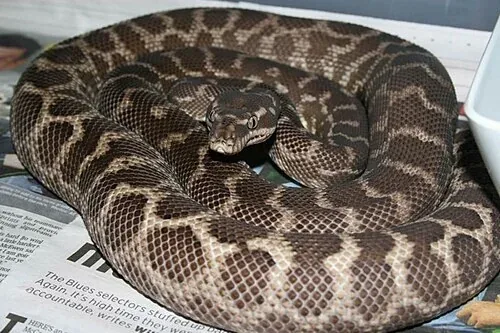
Rough-scaled python
Morelia carinata
Give this secretive Kimberley python connected covered perches, full-extension space and a documented feeding and climate plan.
Researched care guide · Experienced keeper
Long-term commitment; a reliable species lifespan is not established here
 Snakes
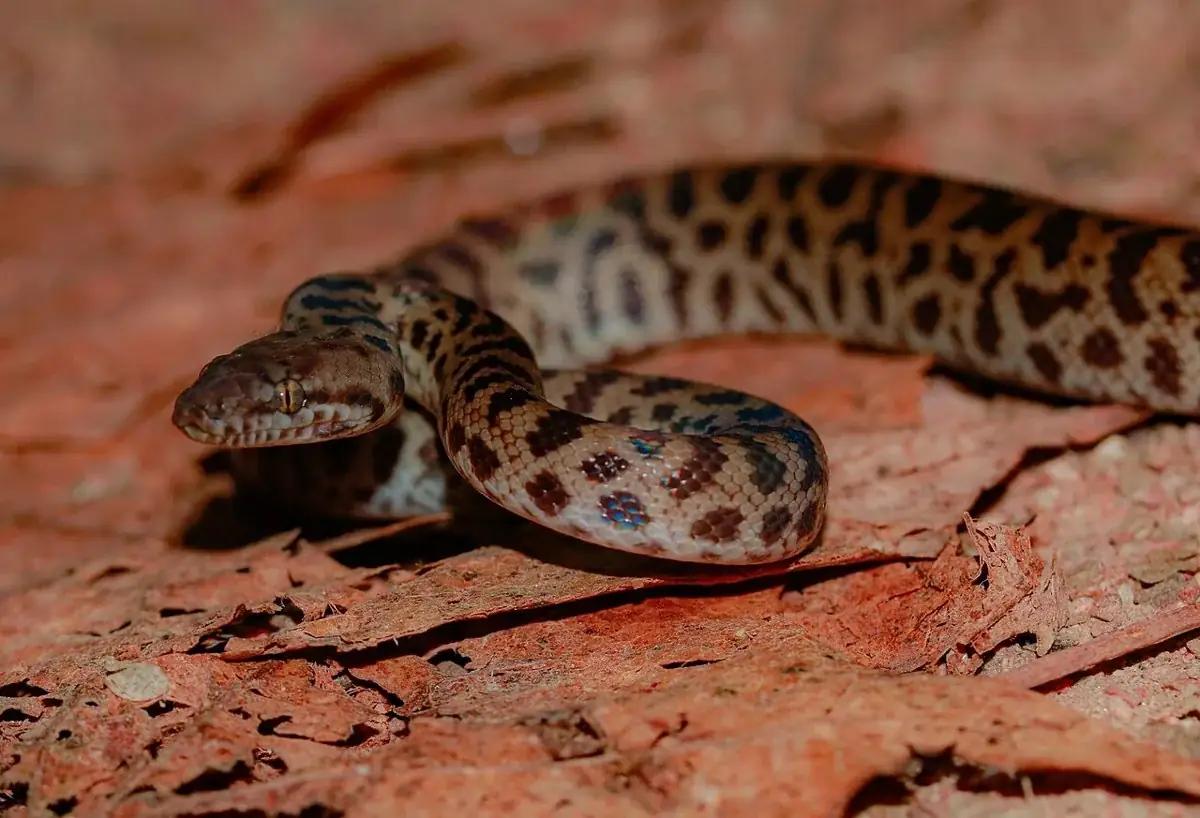
Spotted python
Antaresia maculosa
Give this Australian python full-length housing, connected climbing routes and a measured care routine that changes with its adult size.
Researched care guide · Some experience
Around 20 years reported by American Made Exotics; some individuals may differ
 Snakes
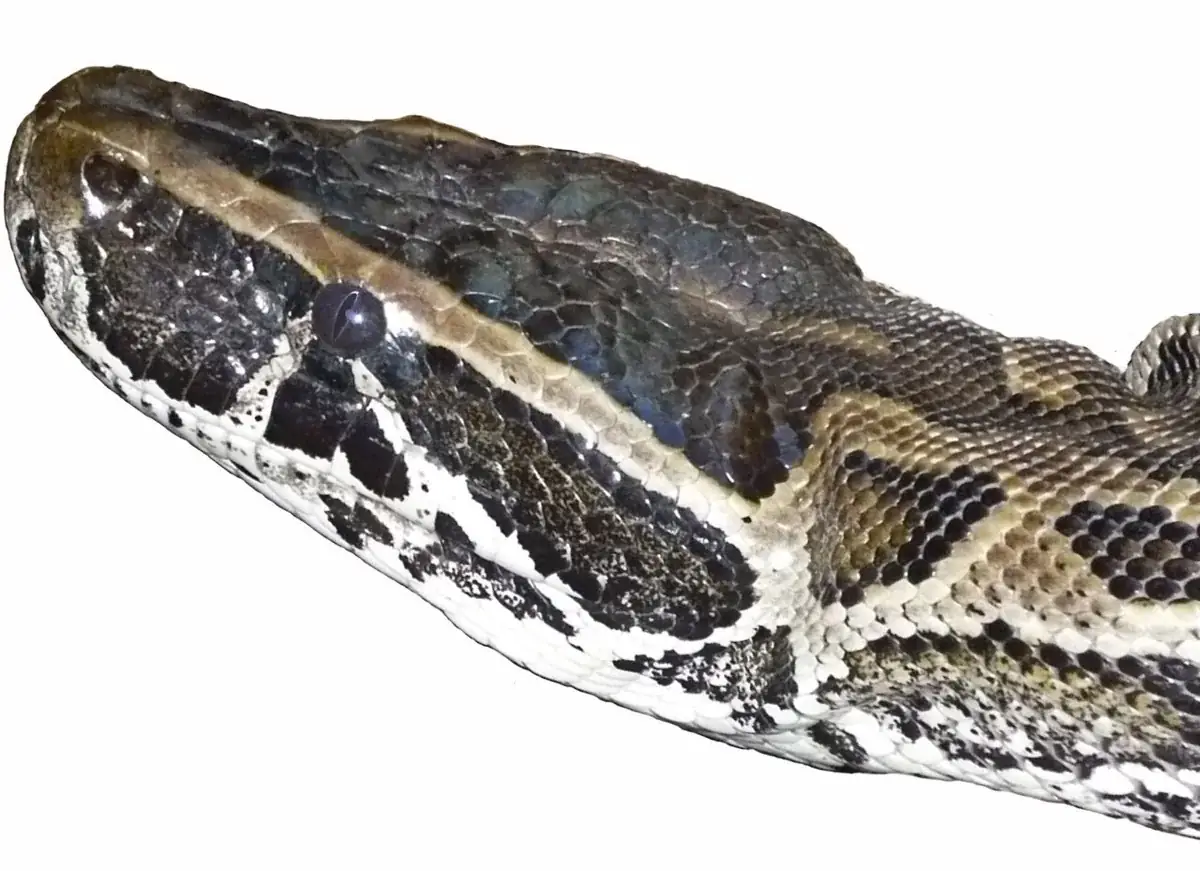
Rock pythons
Python sebae / Python natalensis
Plan separate northern and southern African rock python care around full adult movement, water access and protected servicing.
Researched care guide · Experienced keeper
P. sebae reference: about 20 years; P. natalensis lifespan not assessed here
 Snakes
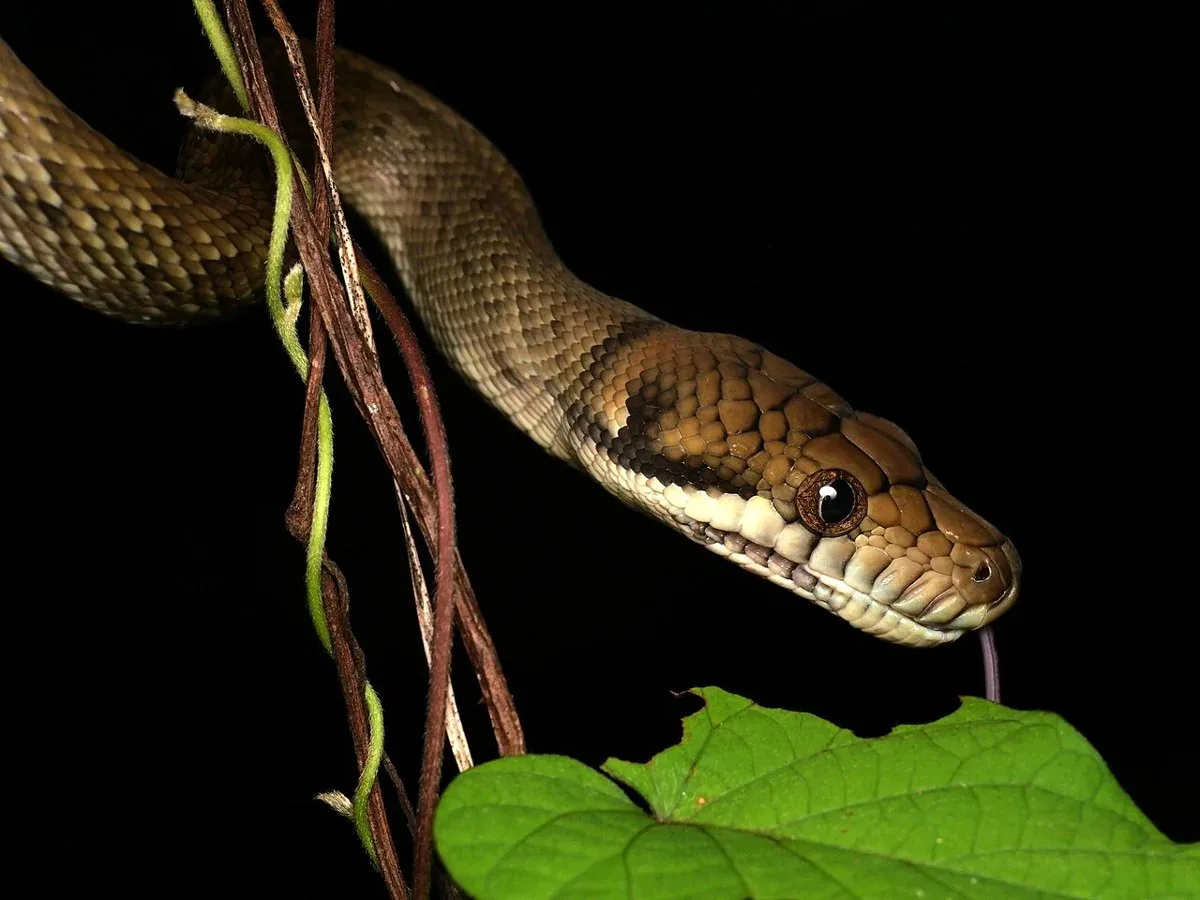
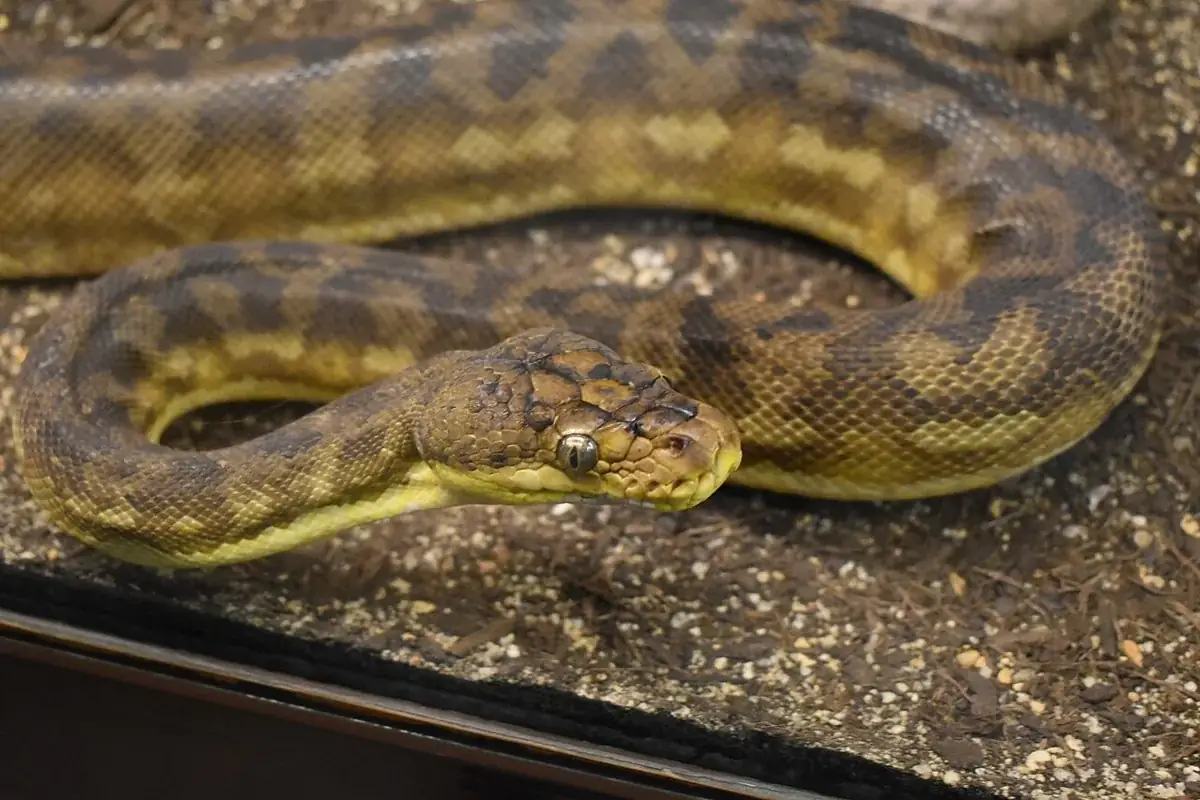
Scrub pythons
Simalia species group
Scrub pythons are large, alert climbers whose species, locality and adult reach must shape the entire enclosure.
Researched care guide · Experienced keeper
S. kinghorni: 20–30 years; other Simalia not estimated here
 Snakes
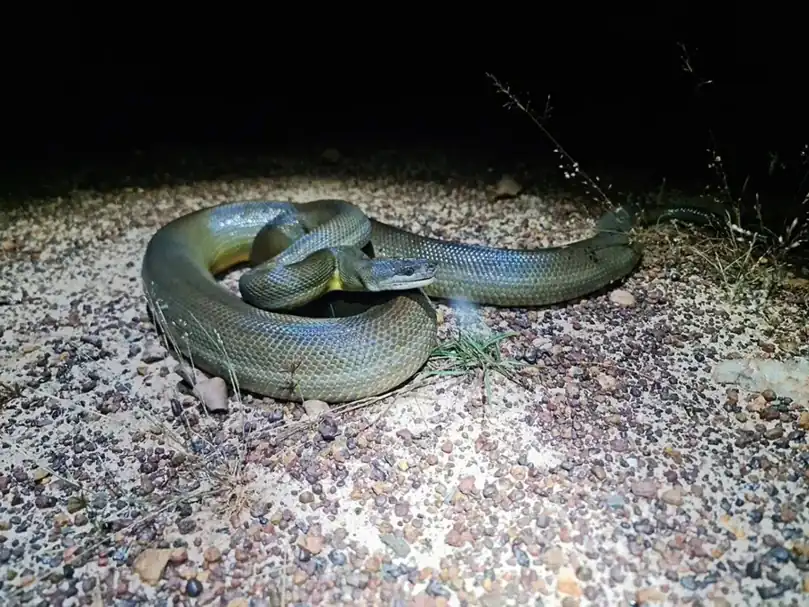
Timor python
Malayopython timoriensis
Timor pythons are active, slender snakes that need space, quiet retreats and careful observation.
Researched care guide · Experienced keeper
More than 20 years reported; this is not an upper limit
 Snakes
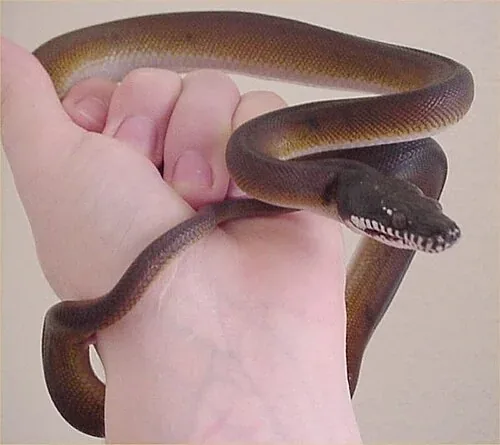
Water python
Liasis fuscus
Water pythons are glossy, active snakes, but their name does not establish a suitable enclosure or climate plan and should not imply an aquarium-style setup.
Researched care guide · Experienced keeper
Species-specific lifespan not established by the sources used here
 Snakes
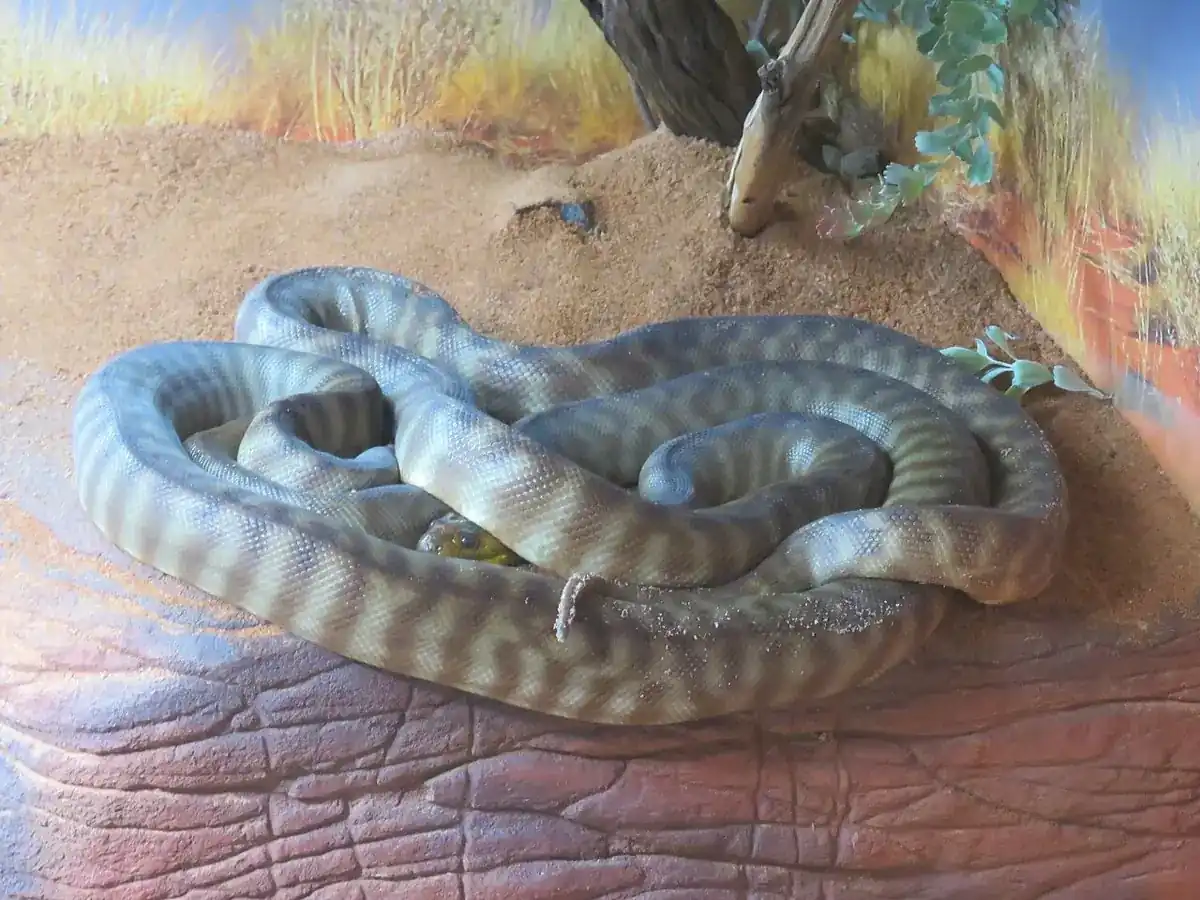
White-lipped pythons
Leiopython albertisii / Leiopython fredparkeri group
This introduction starts with identifying white-lipped pythons, then considers hydration, cleanliness and adult movement.
Researched care guide · Experienced keeper
Lifespan not established by this introduction; plan continuing specialist care
 Snakes
Woma python
Aspidites ramsayi
Woma pythons are burrowing Australian snakes whose appetite, retreat choices and adult space need careful planning.
Researched care guide · Some experience
20–30+ years reported in the combined Aspidites care reference
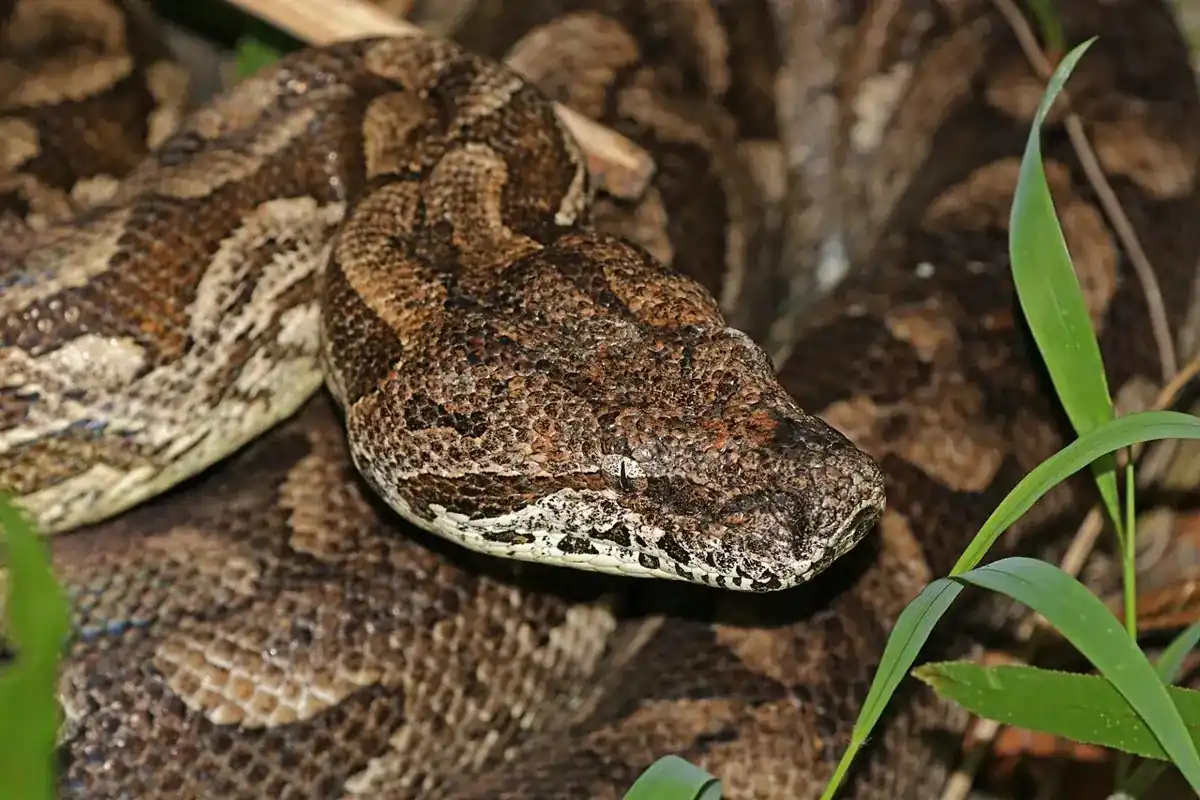 Snakes
Dumeril’s boa
Acrantophis dumerili
Dumeril’s boas are heavy-bodied Madagascan snakes that need floor space, deep cover and measured environmental conditions.
Researched care guide · Experienced keeper
Long-term care required; a numerical lifespan was not re-established in this revision
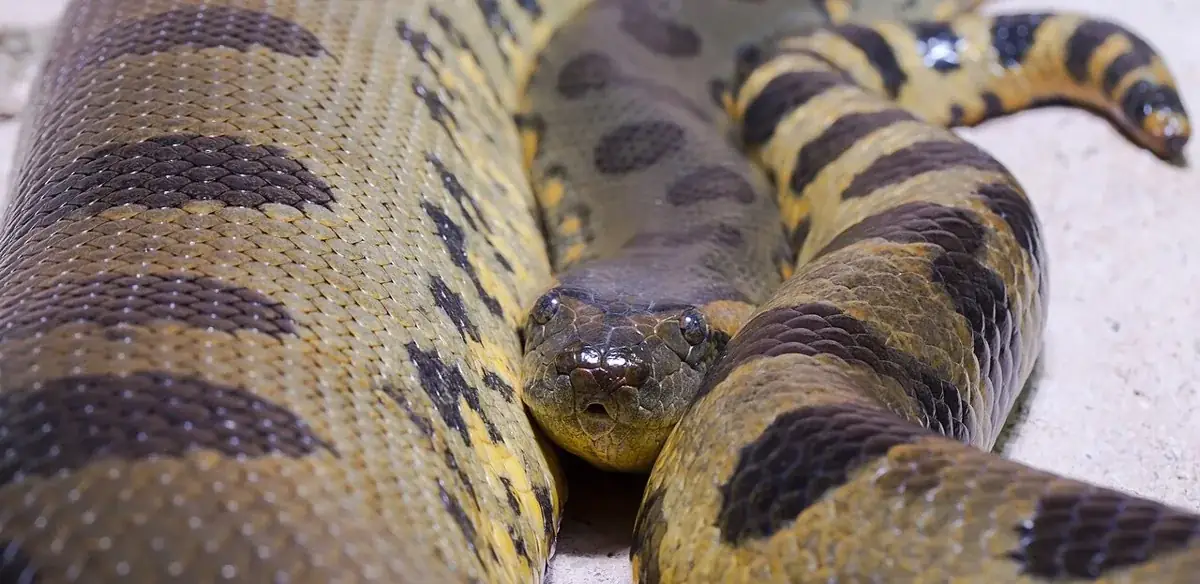 Snakes
Anacondas
Eunectes spp.
This group introduction explains why anacondas need species identification and a complete land-and-water facility plan.
Researched care guide · Experienced keeper
Potentially decades; late twenties reported for some green anacondas
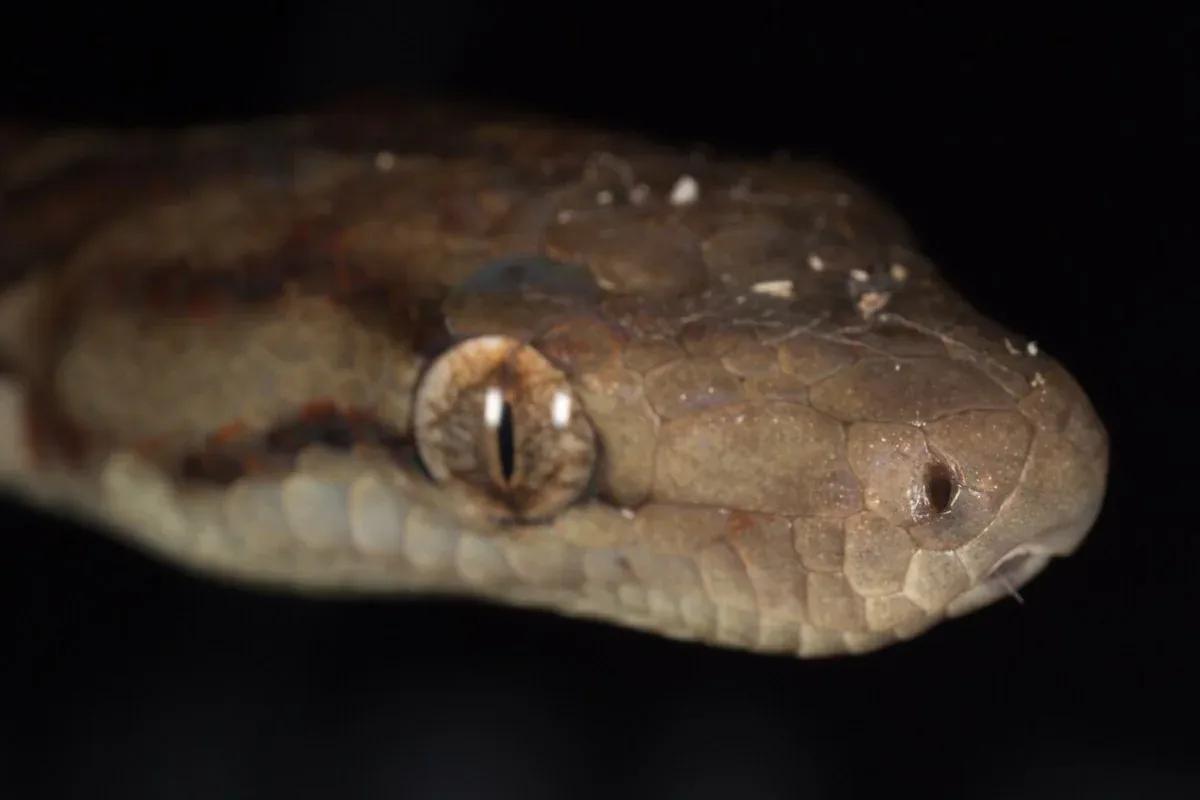 Snakes
Hispaniolan boa
Chilabothrus striatus
This Hispaniolan boa introduction covers climbing space, established juvenile feeding and usable care records.
Researched care guide · Experienced keeper
Long-term commitment; no reliable lifespan range selected for this introduction
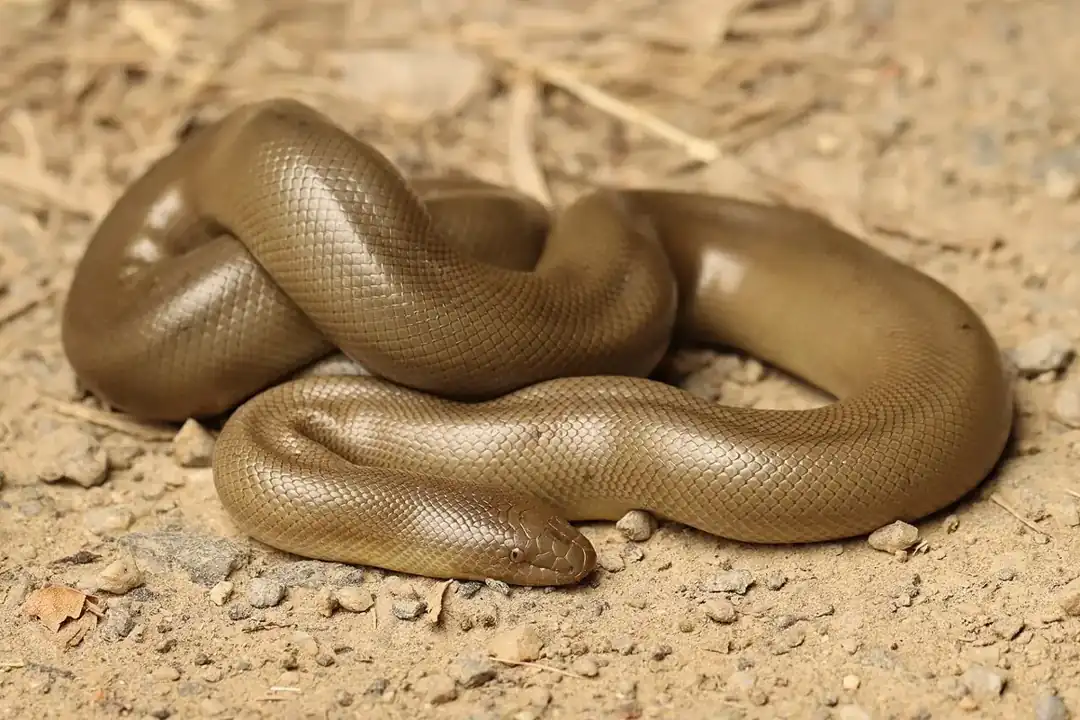 Snakes
Northern rubber boa
Charina bottae
Northern rubber boas are cool-adapted, secretive snakes whose heat control, escape security and established feeding need particular attention.
Researched care guide · Experienced keeper
Long-term commitment; no reliable lifespan range selected for this introduction
 Snakes
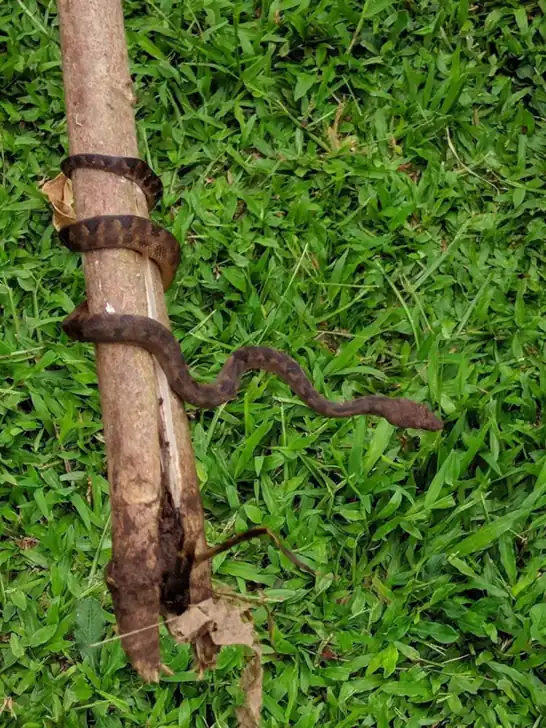
Solomon Island boas
Candoia paulsoni and Candoia bibroni
This group introduction distinguishes Solomon Island ground boas from tree boas before any care plan is selected.
Researched care guide · Experienced keeper
Long-term commitment; no reliable lifespan range selected for this introduction
 Snakes
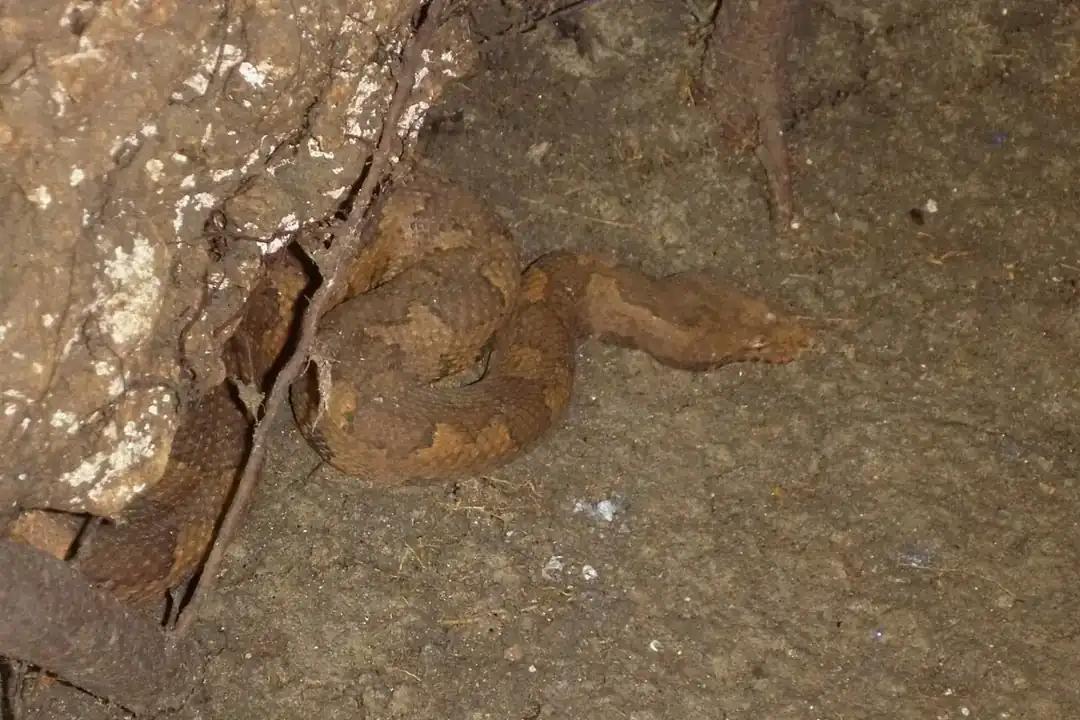
Viper boa
Candoia aspera
Viper boas are secretive New Guinea ground boas with specific water, cover and feeding-history requirements.
Researched care guide · Experienced keeper
Long-term commitment; no reliable lifespan range selected for this introduction
 Snakes
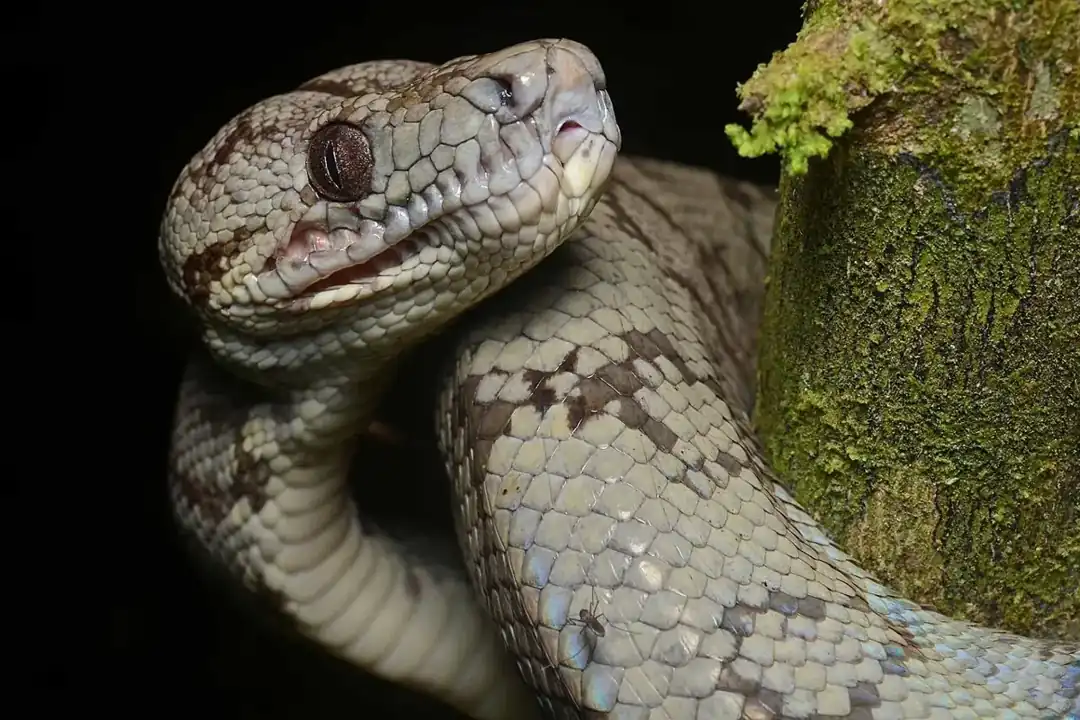
Amazon tree boa
Corallus hortulanus
Amazon tree boas are suited to observation, and their enclosures need a usable branch network and safe maintenance access as well as display height.
Researched care guide · Experienced keeper
20+ years reported by Chicago Exotics
 Snakes
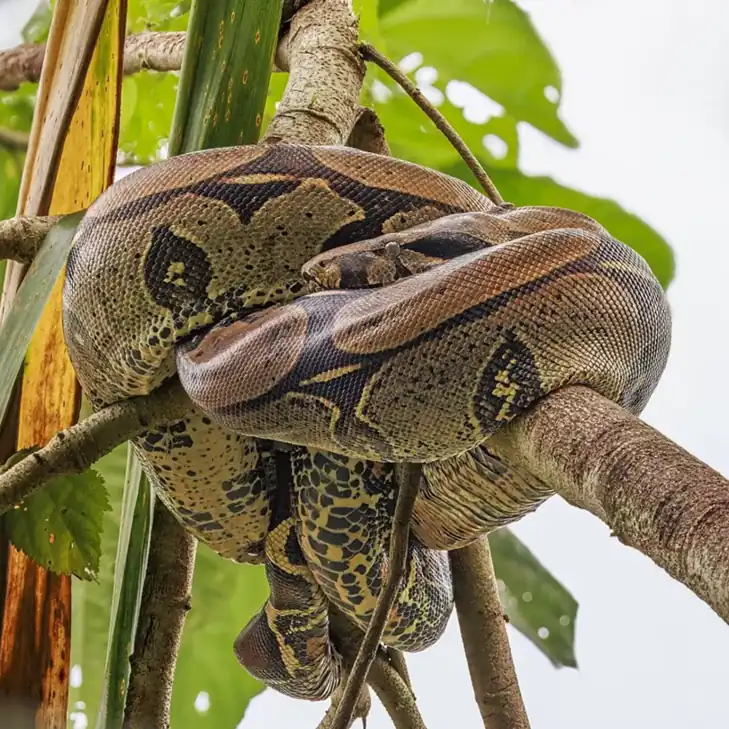
True boa constrictor
Boa constrictor
This introduction covers true Boa constrictor separately from Boa imperator and explains the uncertainty around locality and adult size.
Researched care guide · Experienced keeper
Long-term care required; a numerical lifespan was not re-established in this revision
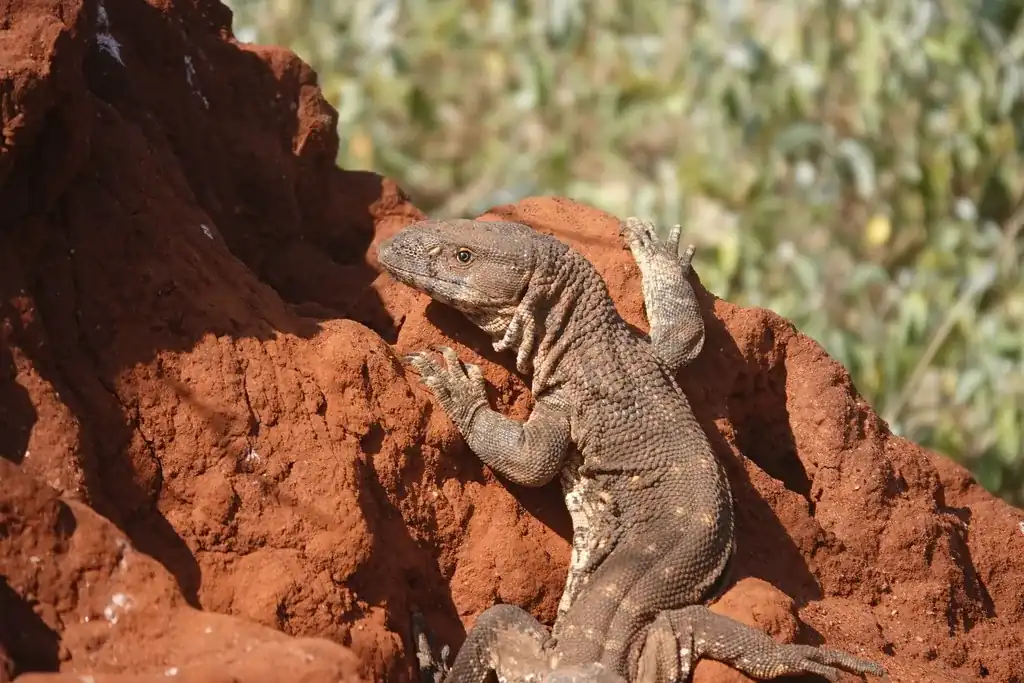 Lizards
Black-throated monitor
Varanus albigularis microstictus
Plan generous walking space, deep digging soil and strong climbing routes for one black-throated monitor.
Researched care guide · Experienced keeper
Long-term care required; a numerical lifespan was not re-established in this revision
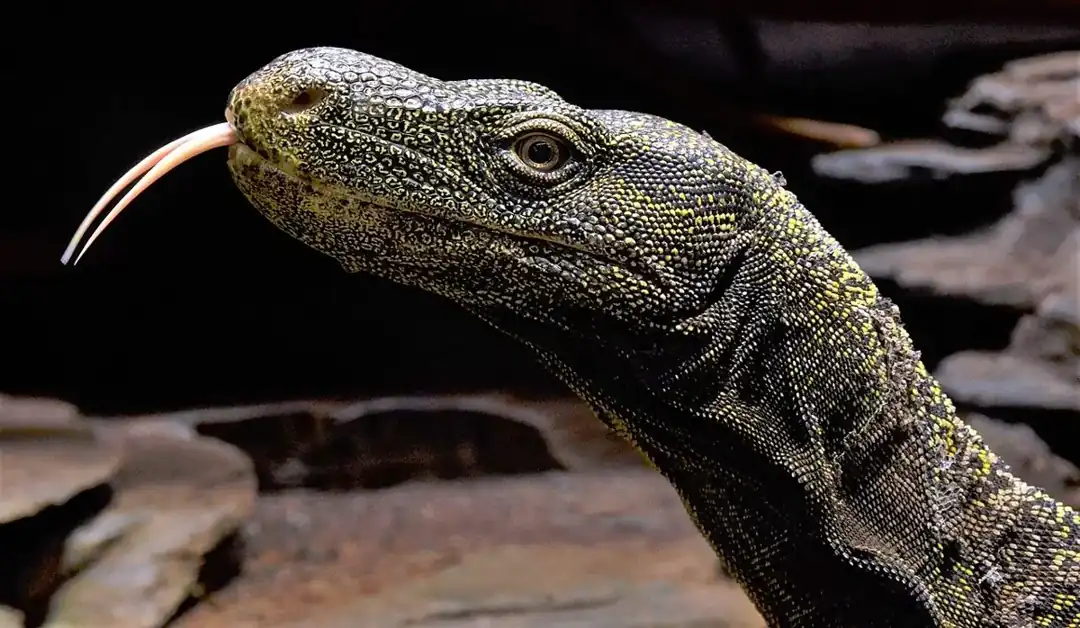 Lizards
Crocodile monitor
Varanus salvadorii
Prepare an institution-scale canopy habitat with protected keeper access, measured basking conditions and substantial room to move.
Researched care guide · Experienced keeper
Long-term specialist commitment; a reliable species-specific lifespan bound is not established by this introduction.
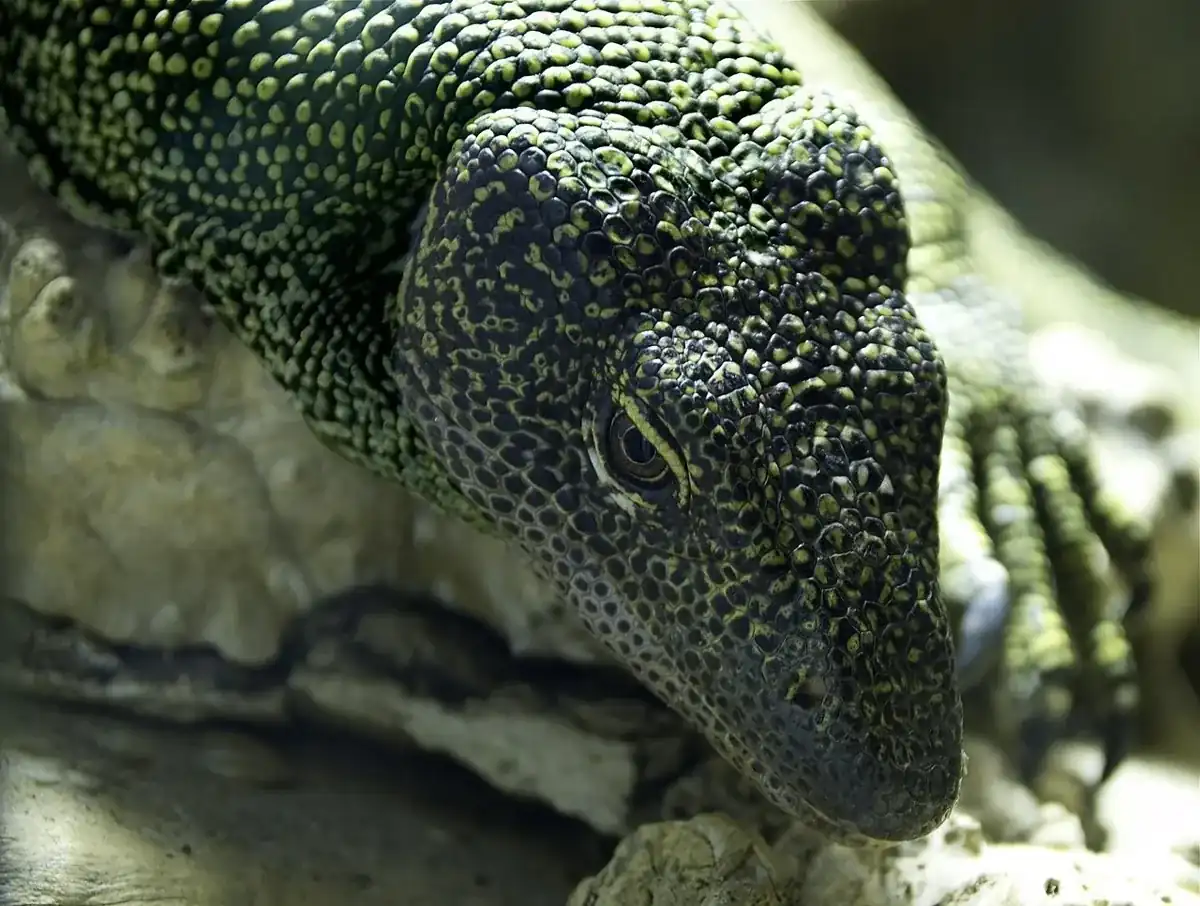 Lizards
Mangrove monitor
Varanus indicus
Confirm the species before applying a mangrove-monitor protocol, then provide connected land, climbing cover and substantial swimming water.
Researched care guide · Experienced keeper
Long-term care required; a numerical lifespan was not re-established in this revision
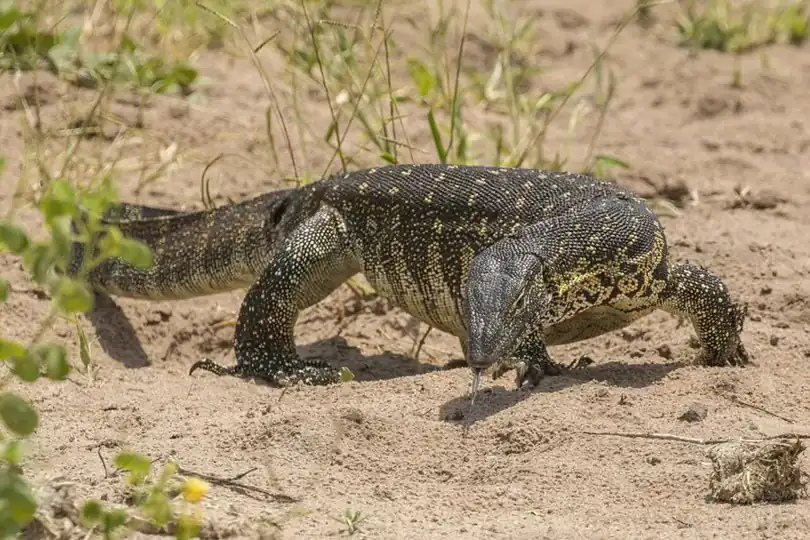 Lizards
Nile monitor
Varanus niloticus
Prepare an adult room with substantial swimming water, digging ground and climbing routes before a Nile monitor outgrows juvenile housing.
Researched care guide · Experienced keeper
Long-term care required; a numerical lifespan was not re-established in this revision
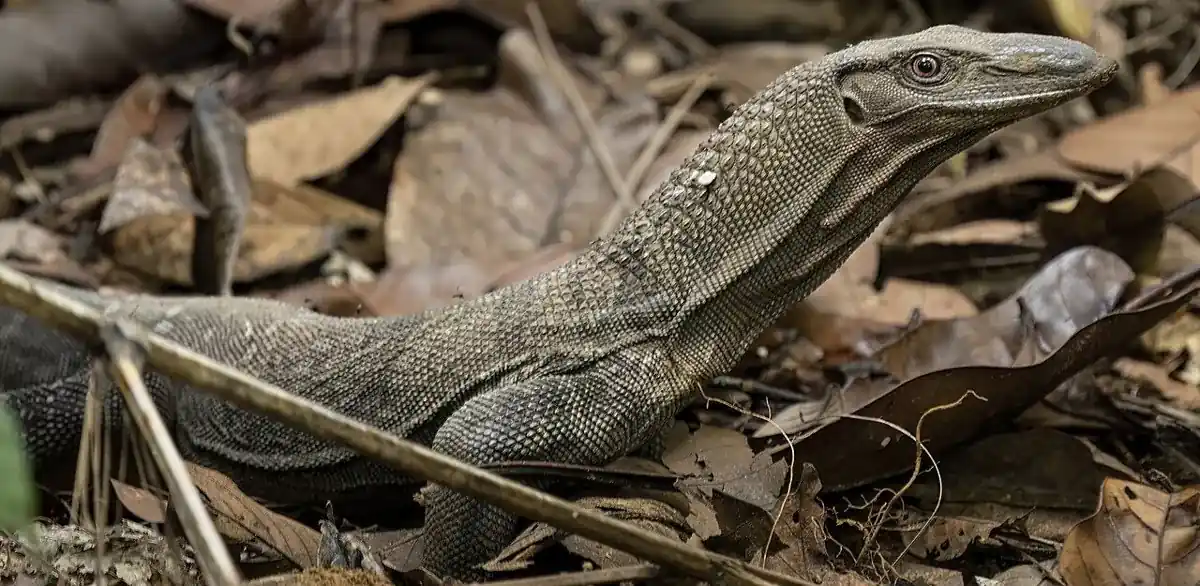 Lizards
Black roughneck monitor
Varanus rudicollis
Give an identified black roughneck monitor connected climbing routes, humid cover and room to forage on the ground.
Researched care guide · Experienced keeper
Long-term specialist commitment; a reliable species-specific lifespan bound is not established by this introduction.
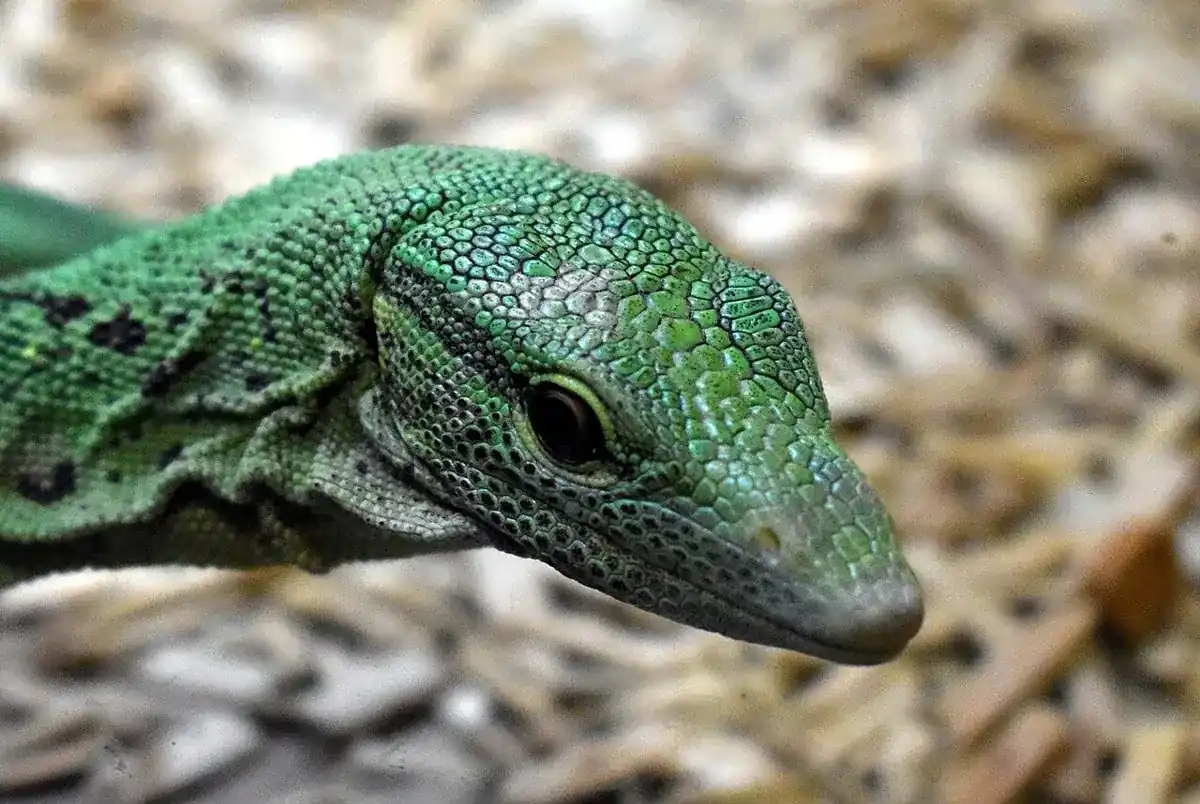 Lizards
Tree monitors
Varanus prasinus complex
Choose an identified tree-monitor species and build connected canopy routes, concealed retreats and reliable drinking opportunities.
Researched care guide · Experienced keeper
Long-term specialist commitment; a reliable species-specific lifespan bound is not established by this introduction.
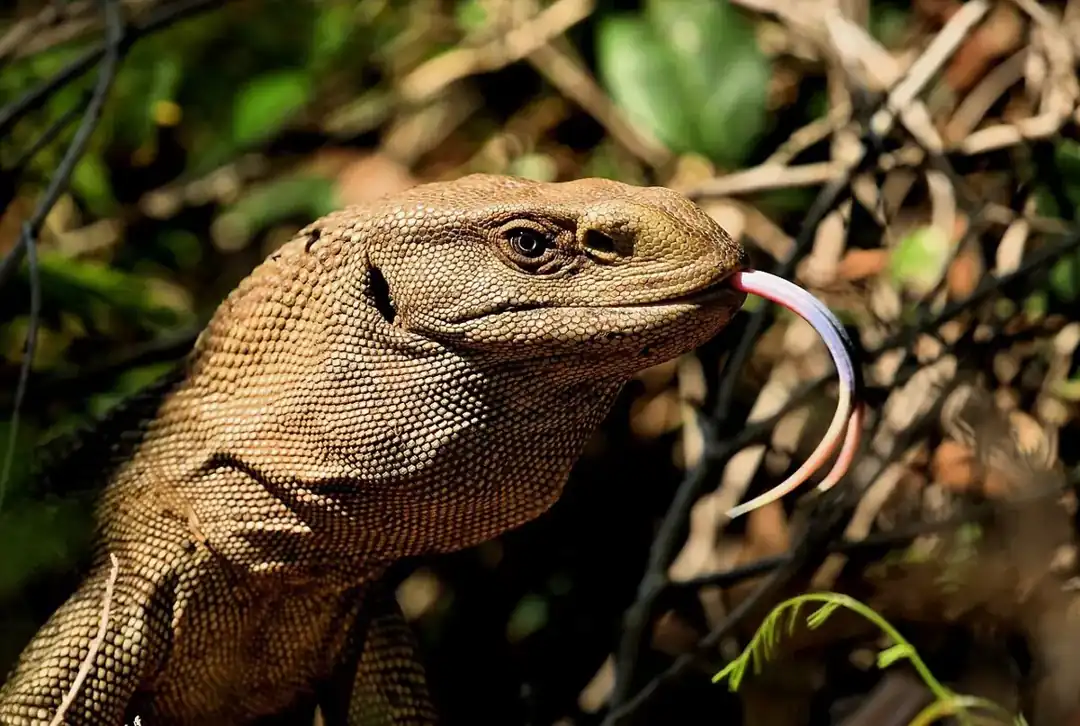 Lizards
White-throated monitor
Varanus albigularis albigularis
Give one white-throated monitor generous foraging space, deep burrowable soil, climbing cover and an invertebrate-rich diet.
Researched care guide · Experienced keeper
Long-term specialist commitment; a reliable species-specific lifespan bound is not established by this introduction.
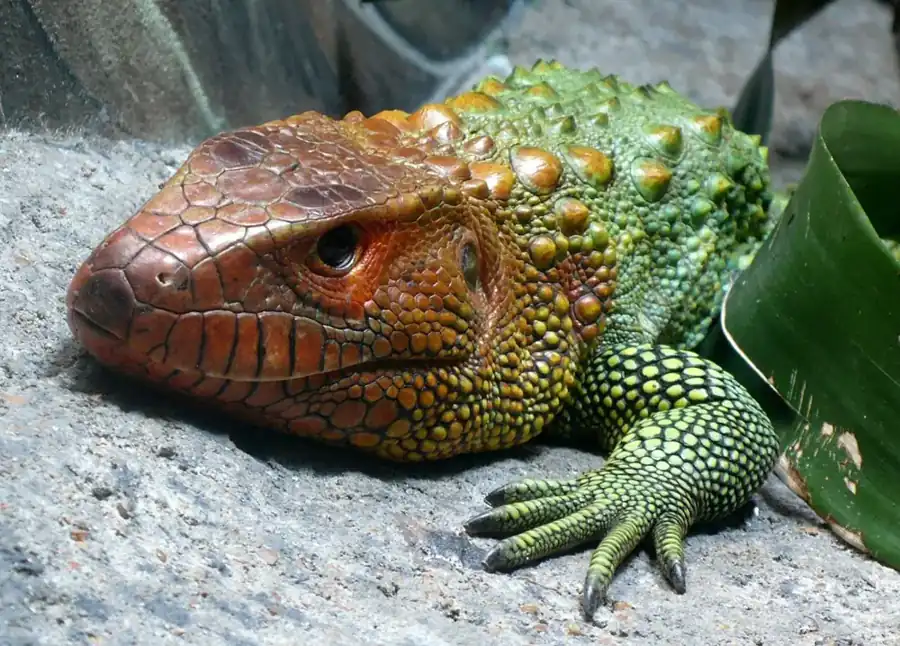 Lizards
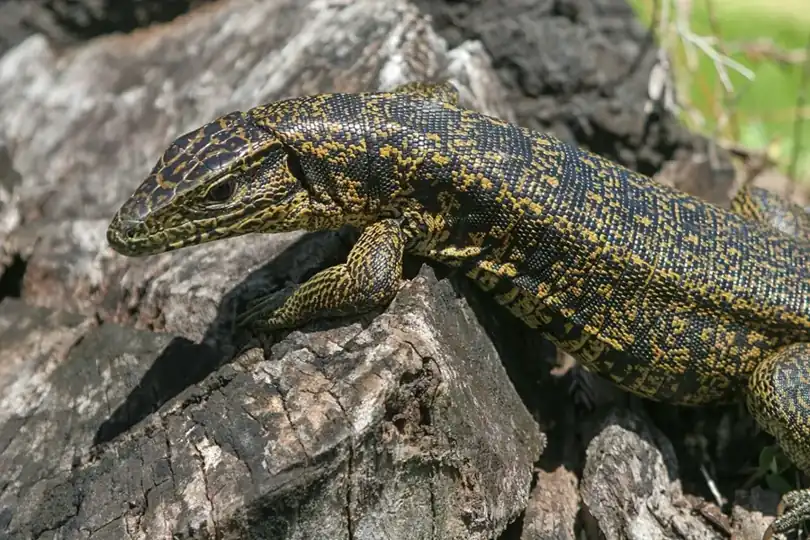
Caiman lizard
Dracaena guianensis
A practical guide to housing a caiman lizard with a working pool, strong climbing routes, and a varied mollusk-rich diet.
Researched care guide · Experienced keeper
More than 10 years reported; this is not an upper limit
 Lizards
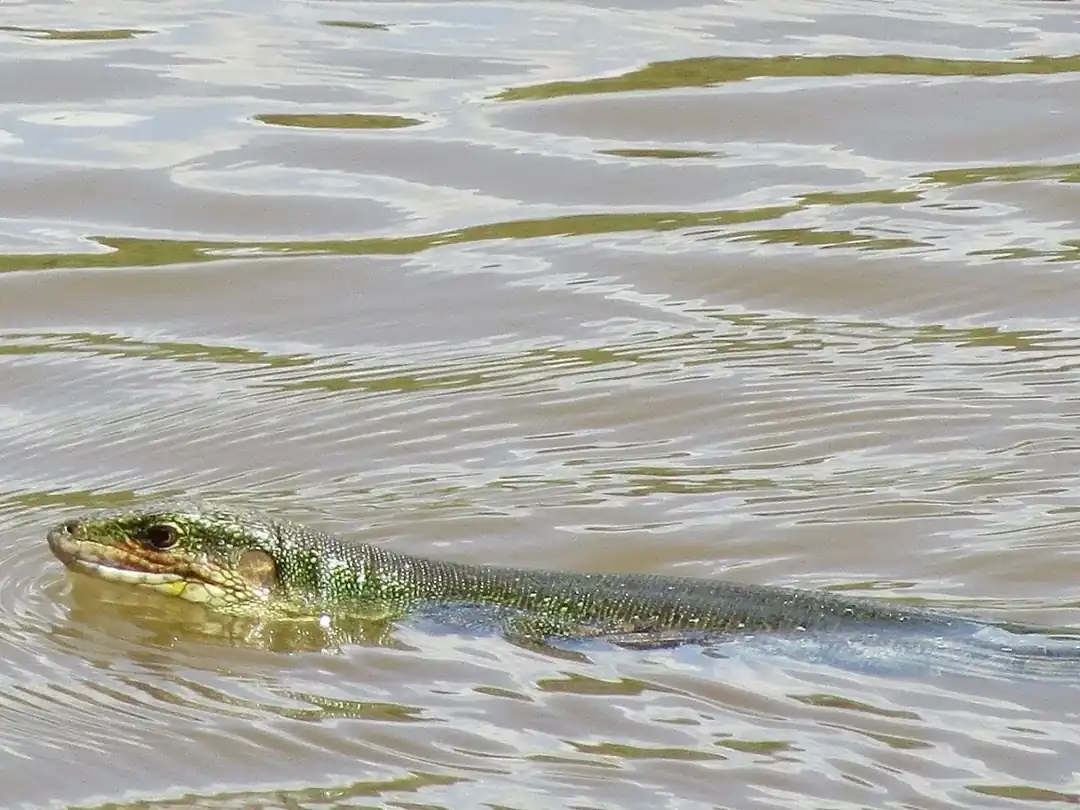
Colombian tegu
Tupinambis teguixin
Plan secure, deep-soil housing, strong basking light and a measured feeding routine for a Colombian tegu.
Researched care guide · Experienced keeper
15 years or more in the breeder account
 Lizards
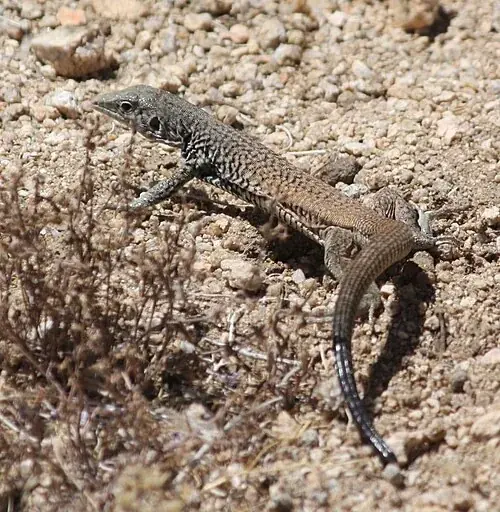
Crocodile tegu
Crocodilurus amazonicus
Plan swimming space, land margins and secure servicing for Crocodilurus amazonicus, with the remaining captive-care evidence gaps clearly identified.
Researched care guide · Experienced keeper
No supported captive lifespan range established from the reviewed sources
 Lizards
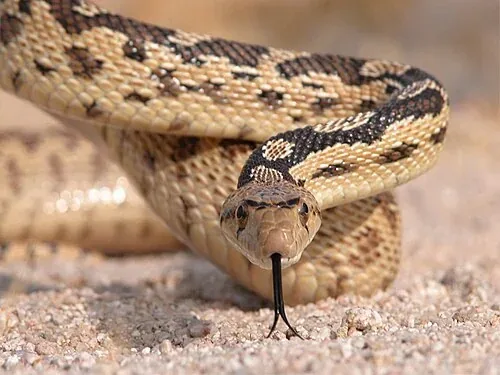
Western whiptail
Aspidoscelis tigris
Provide a long, covered foraging area, deep digging substrate and measured daytime basking for the western whiptail.
Researched care guide · Experienced keeper
No supported captive lifespan range established from the reviewed sources
 Snakes
Gopher snake
Pituophis catenifer
Choose housing by adult length and preserve burrowing, shaded retreat and climbing opportunities for a gopher snake.
Researched care guide · Some experience
Often around 15 years; 30+ years reported
 Snakes
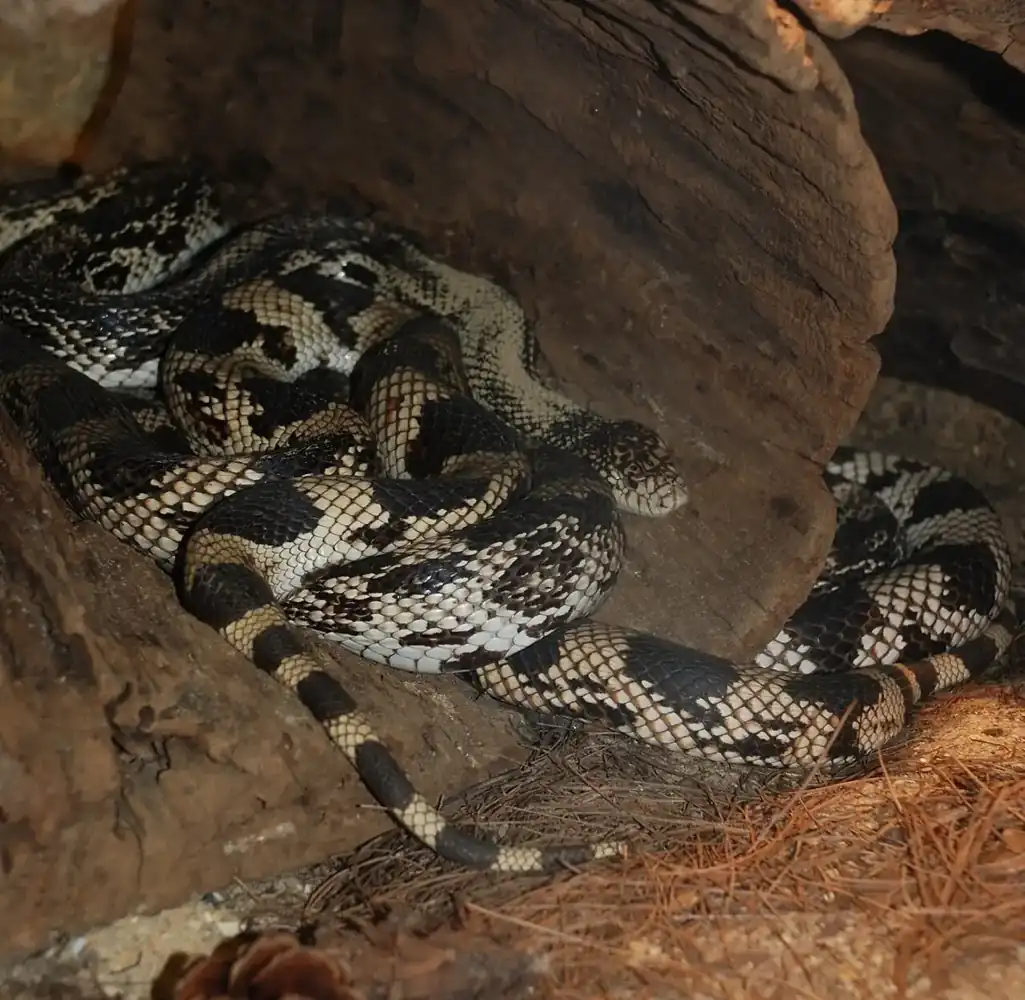
Pine snake
Pituophis melanoleucus
Build a spacious digging habitat with secure retreats, measured heat and a feeding plan suited to the individual pine snake.
Researched care guide · Some experience
20 years or more in the cited care source
 Lizards
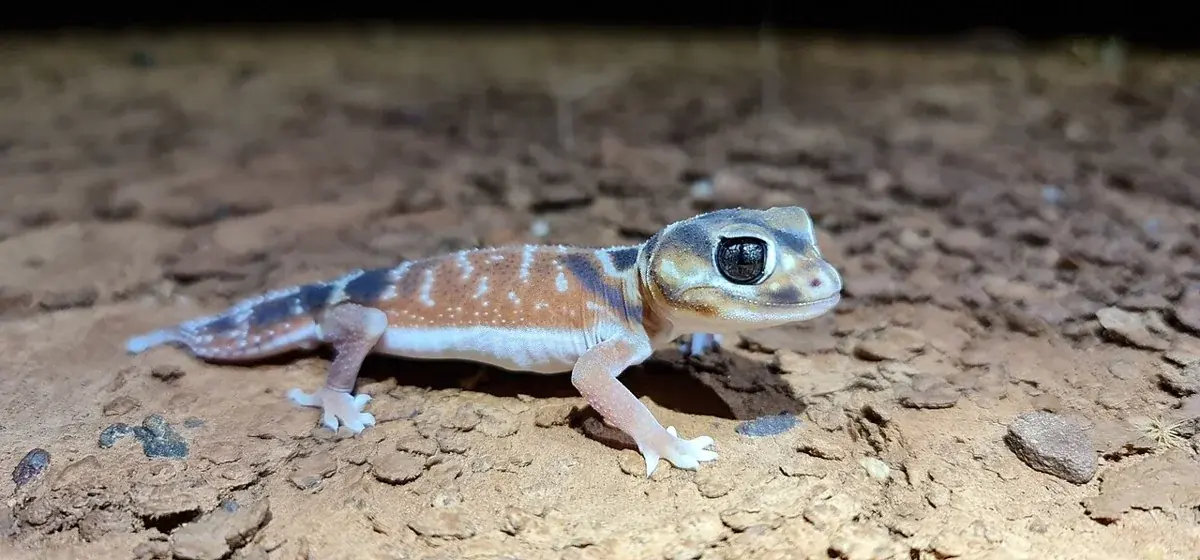
Knob-tailed geckos
Nephrurus spp.
Choose the exact Nephrurus species, then provide individual housing with suitable digging, sheltered moisture and a measured thermal gradient.
Researched care guide · Some experience
More than 10 years is reported; exact species longevity needs assessment.
 Snakes
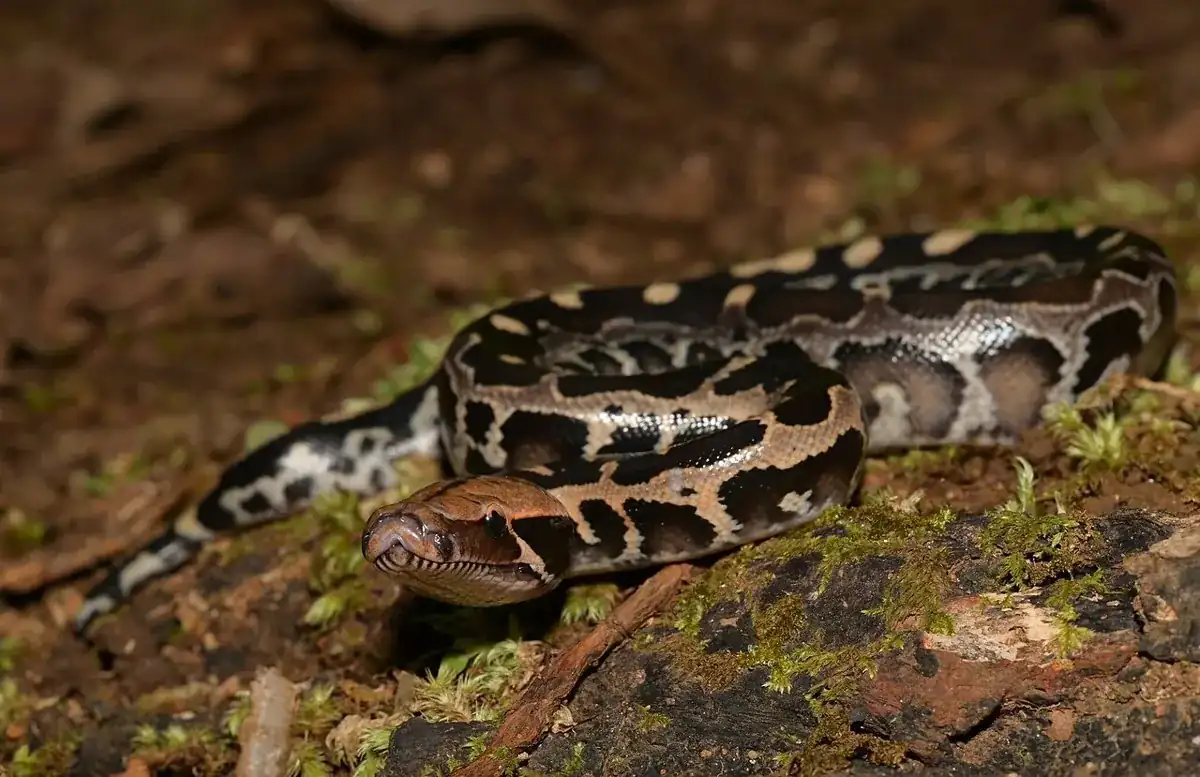
Borneo short-tailed python
Python breitensteini
Provide sturdy adult housing, moderate measured warmth, shaded retreats and conservative feeding for Python breitensteini.
Researched care guide · Some experience
Plan for 20–25 years; longer is reported.
 Snakes
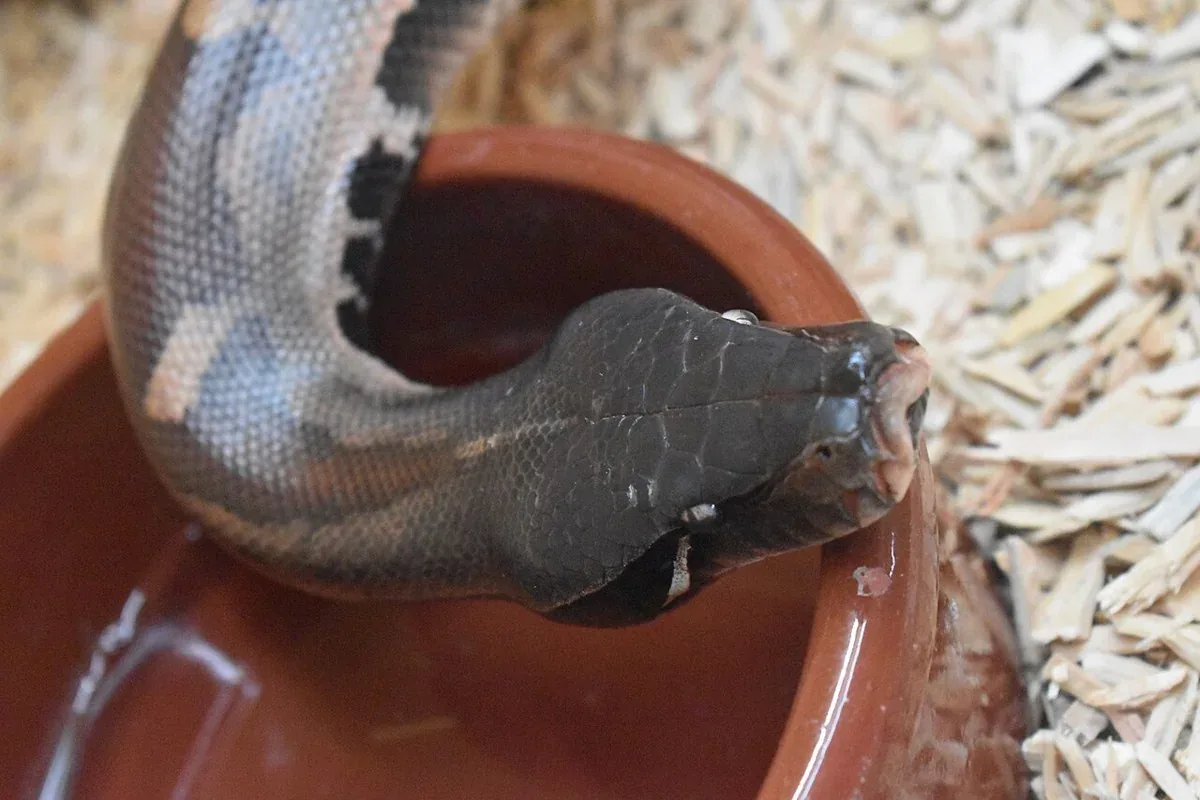
Sumatran short-tailed python
Python curtus
Keep Python curtus in spacious, well-covered housing with moderate warmth, fresh soaking water and a condition-based feeding routine.
Researched care guide · Some experience
Twenty-year planning horizon from a conservative keeper estimate; not a lifespan ceiling.
 Arachnids
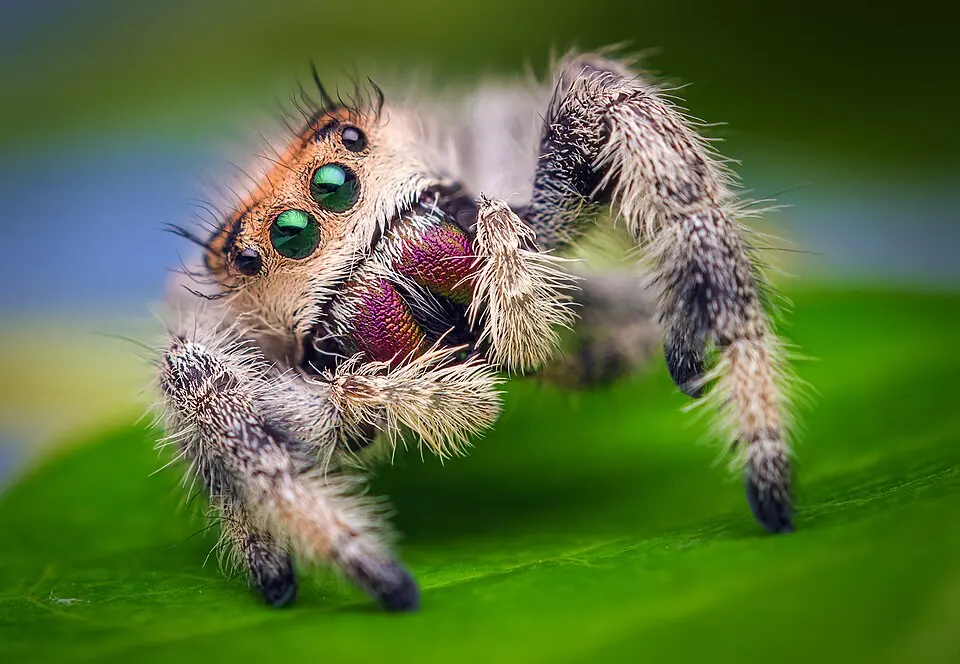
Regal jumping spider
Phidippus regius
Build connected upper retreats for a daylight hunter, with fine drinking droplets, visible feeding and careful protection of its silk molt shelter.
Researched care guide · Some experience
About 1–2 years from hatching; purchase age matters
 Arachnids
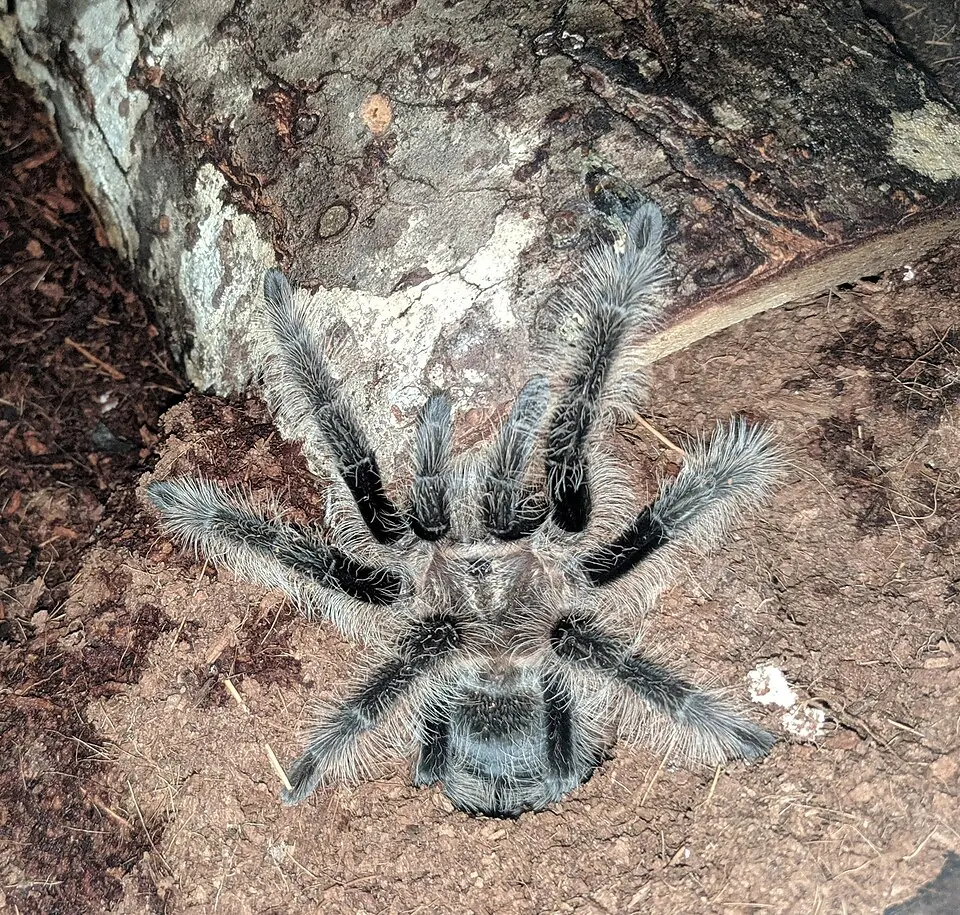
Curly hair tarantula
Tliltocatl albopilosus
Give this ground-dwelling tarantula deep cohesive soil, a protected burrow and accessible water, and plan for a female that may need decades of care.
Researched care guide · Getting started
Females may need decades of care; males are shorter lived
 Arachnids
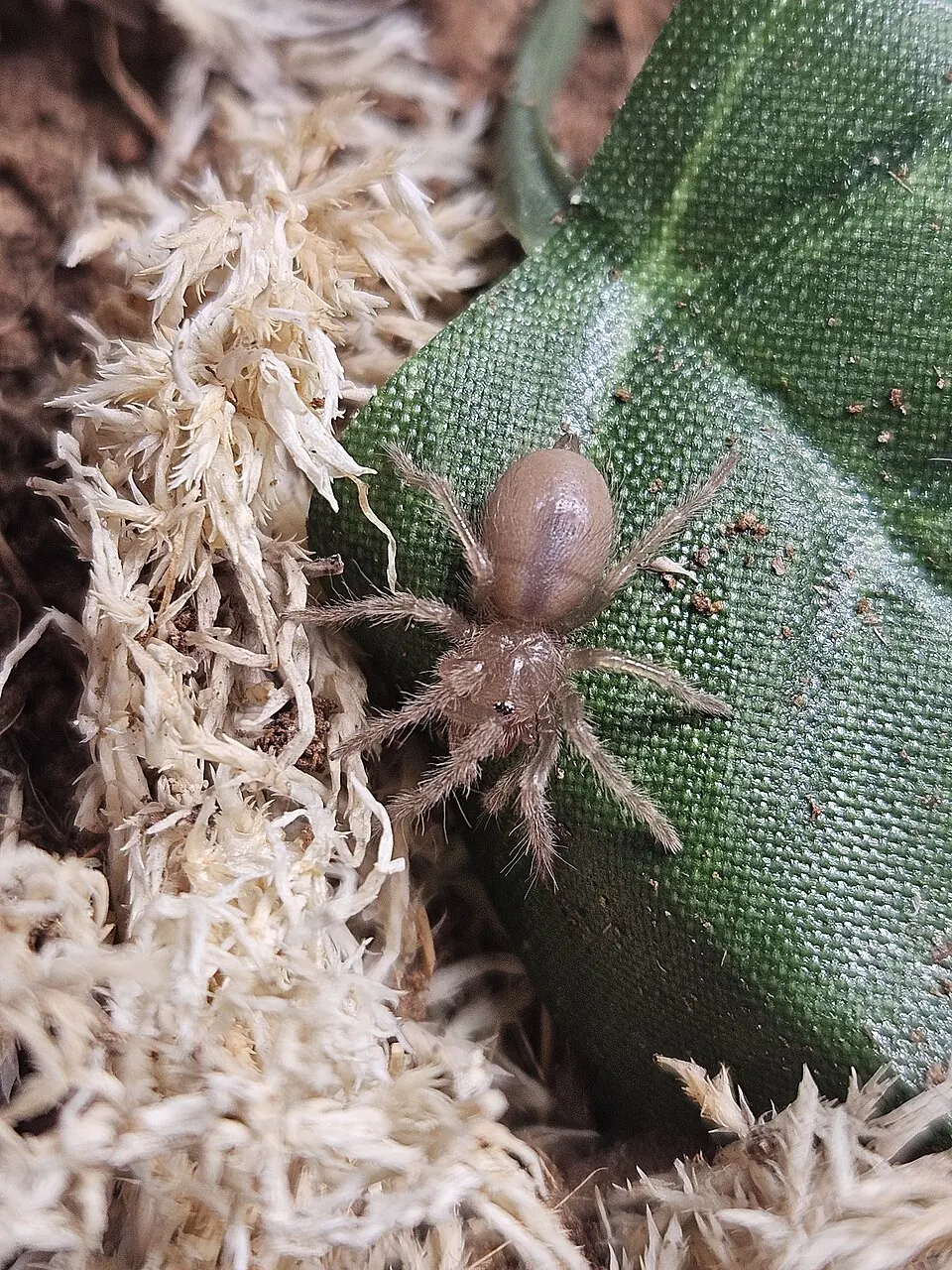
Mexican redknee tarantula
Brachypelma hamorii
Care for a correctly identified redknee with a stable soil retreat, mostly dry upper ground, continuous drinking water and a long female planning horizon.
Researched care guide · Getting started
Female and male lifespan estimates differ; plan long-term care
 Arachnids
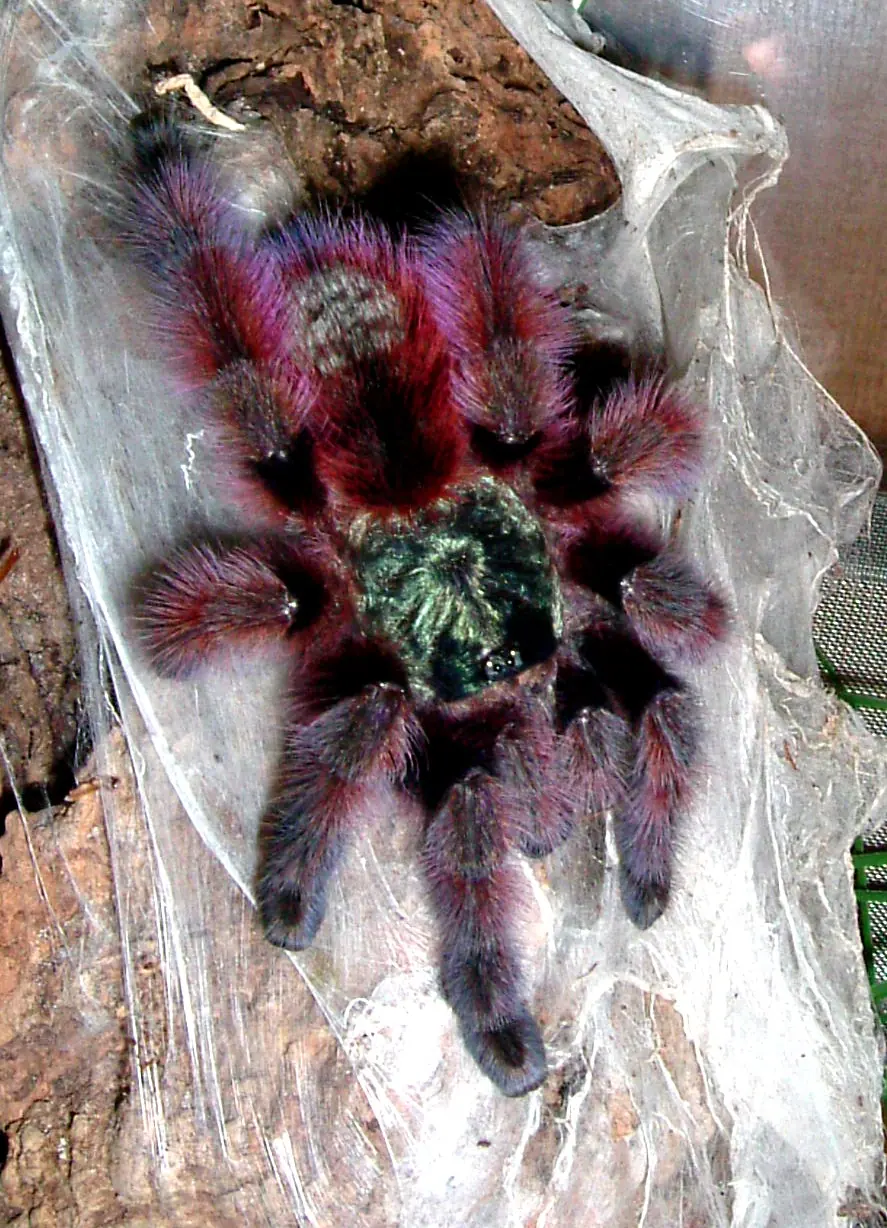
Antilles pinktoe tarantula
Caribena versicolor
Furnish a ventilated vertical habitat for the Martinique pinktoe, preserving upper silk retreats and reachable drinking water through growth and molts.
Researched care guide · Some experience
Female and male lifespan estimates differ
 Arachnids
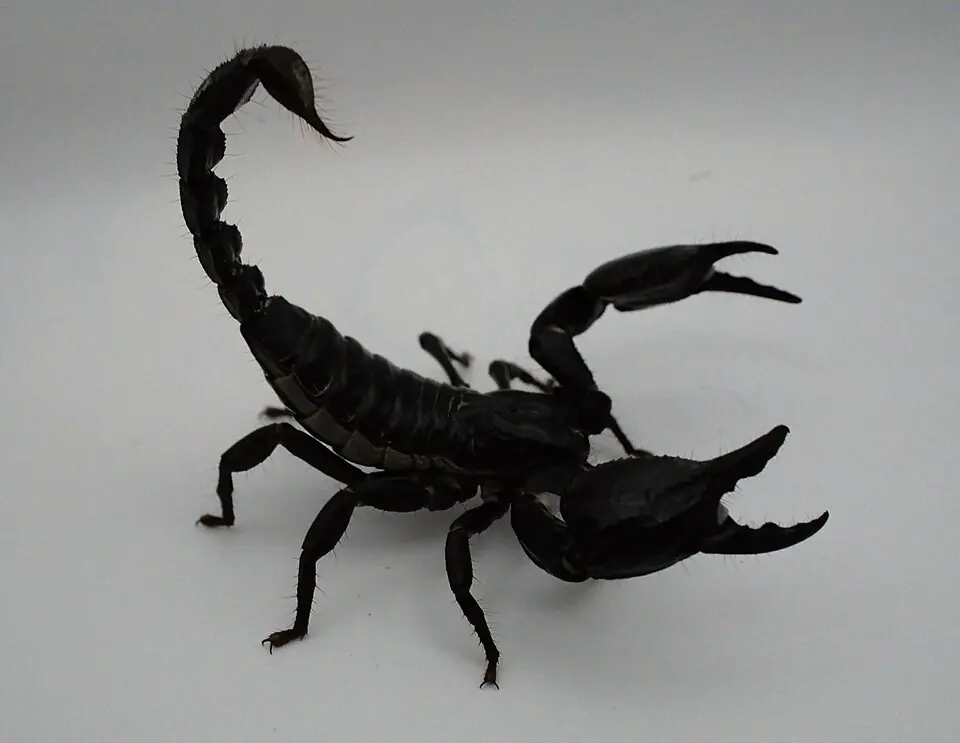
Vietnamese forest scorpion
Heterometrus silenus
Check the forest-scorpion identity, then provide deep damp soil, a protected retreat and drinking water with secure access and modest insect meals.
Researched care guide · Some experience
Lifespan uncertain; plan for years of care
 Arachnids
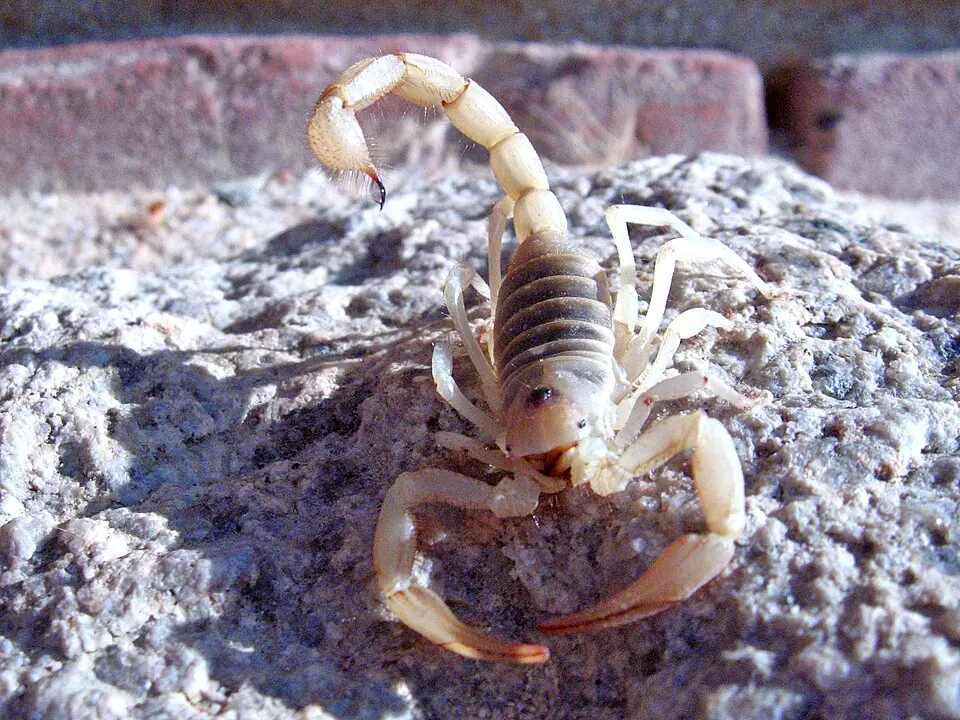
Desert hairy scorpion
Hadrurus arizonensis
Provide cohesive digging depth beneath a ventilated dry surface, a cooler refuge and clean drinking water for this desert burrower.
Researched care guide · Some experience
Potentially 15–20 years of care
 Arachnids
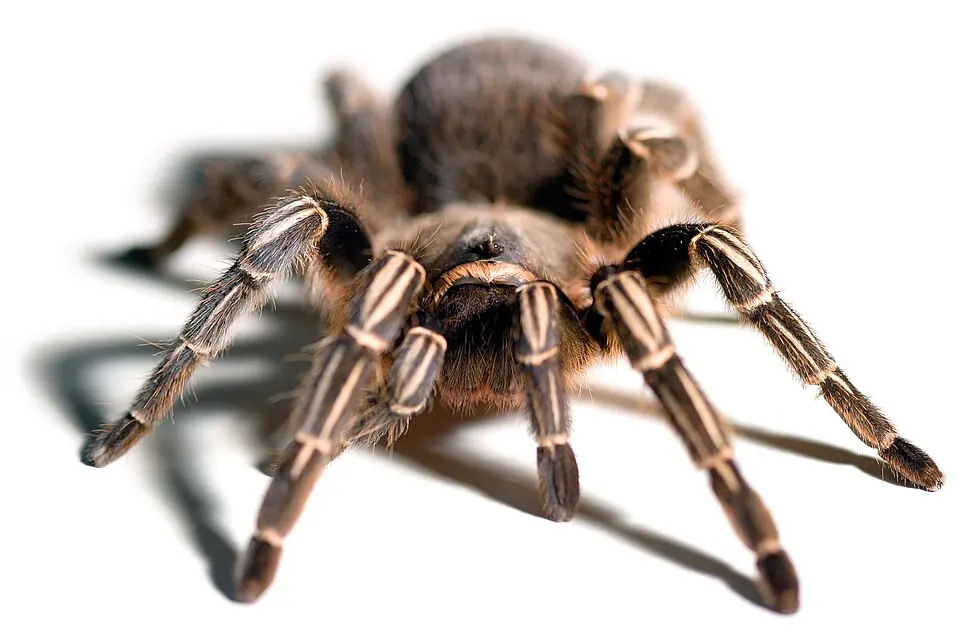
Costa Rican zebra tarantula
Aphonopelma seemanni
Plan around a soil burrow that may stay out of sight, with deep diggable substrate, low exposed falls, drinking water and restrained adult feeding.
Researched care guide · Getting started
Females may need decades of care; males are shorter lived
 Arachnids
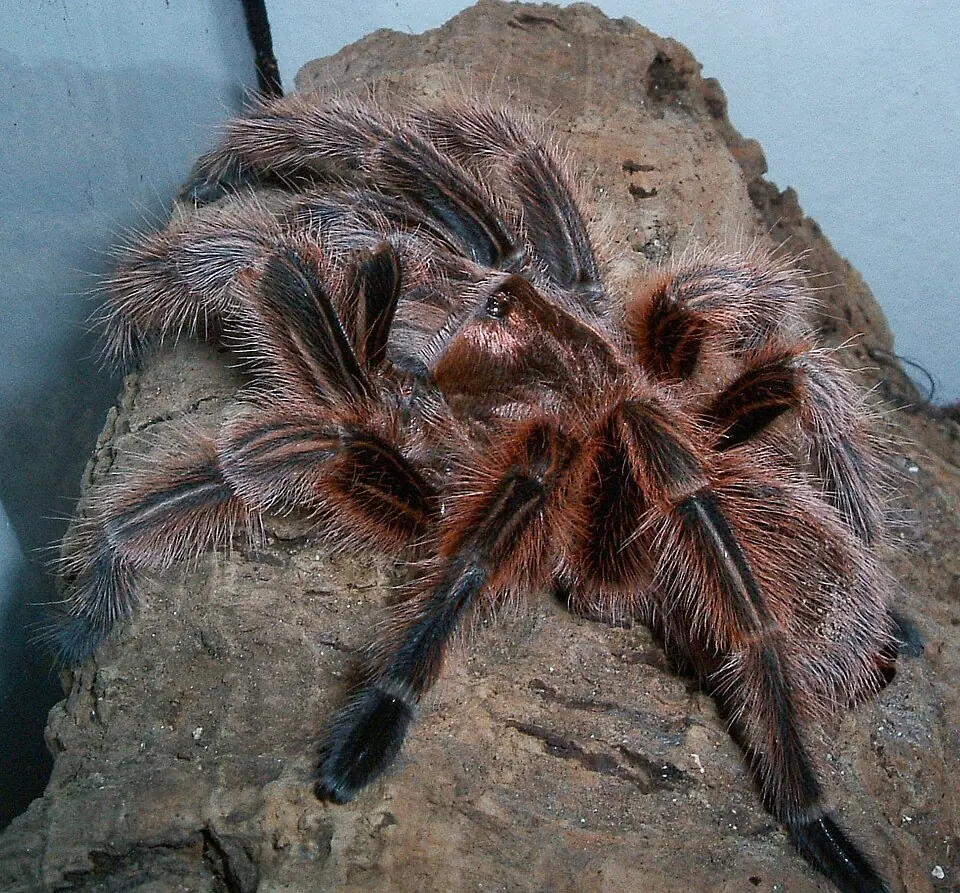
Chilean rose tarantula
Grammostola rosea
Keep a solitary ground retreat and accessible water while tracking body condition through variable appetite, and understand the former porteri name.
Researched care guide · Getting started
Females may need decades of care; male age varies
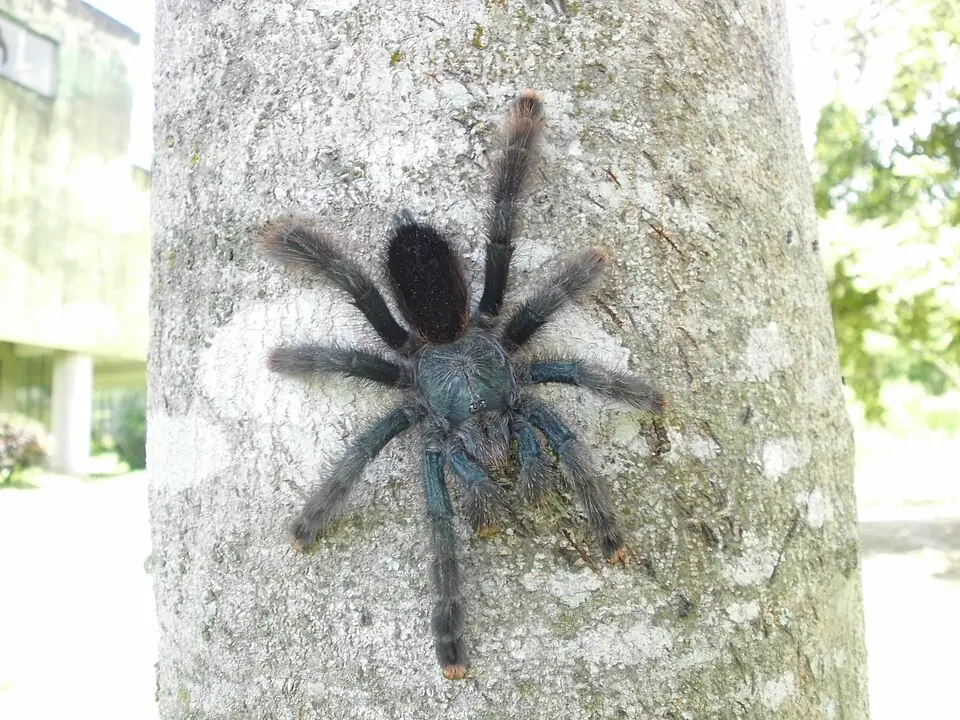 Arachnids
Common pinktoe tarantula
Avicularia avicularia
Confirm which pinktoe you have and connect sheltered upper routes with drinking access, effective cross ventilation and protected silk through molts.
Researched care guide · Some experience
Female and male lifespan estimates differ
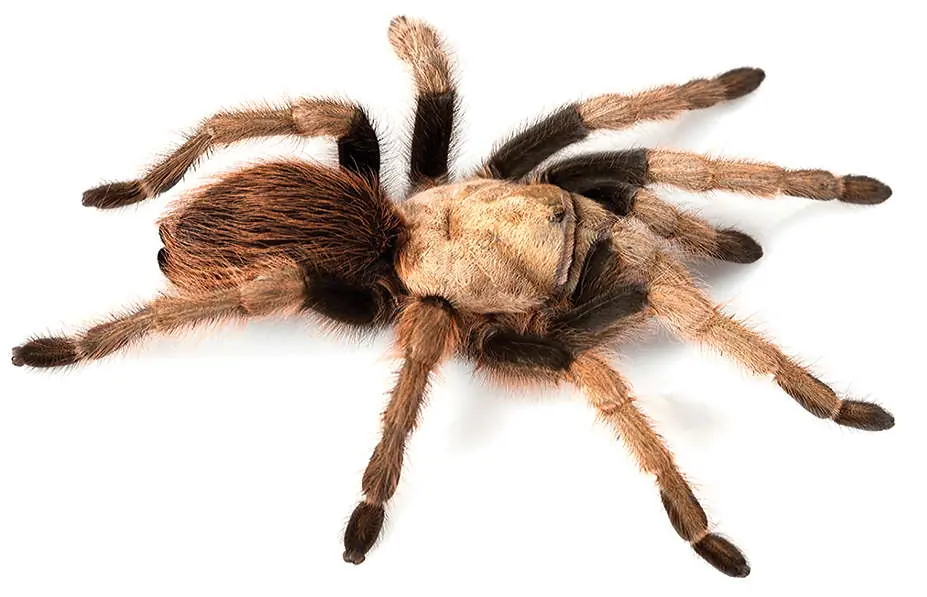 Arachnids
Arizona blonde tarantula
Aphonopelma chalcodes
Offer a deep stable retreat beneath mostly dry ground, maintain a drinking dish and use condition records to manage slow growth and fasting.
Researched care guide · Getting started
Females may need decades of care; male age estimates conflict.
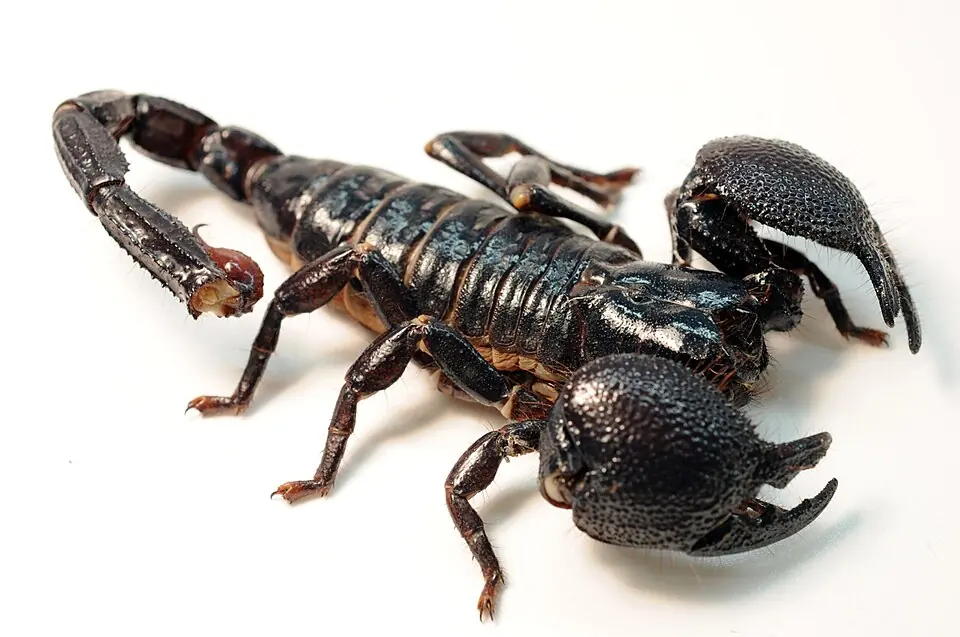 Arachnids
Emperor scorpion
Pandinus imperator
Maintain moist cohesive burrowing soil, shallow drinking water and measured warmth for one West African forest scorpion, with separate juvenile molt care.
Researched care guide · Some experience
Plan for 5–8 years or longer; adult age matters
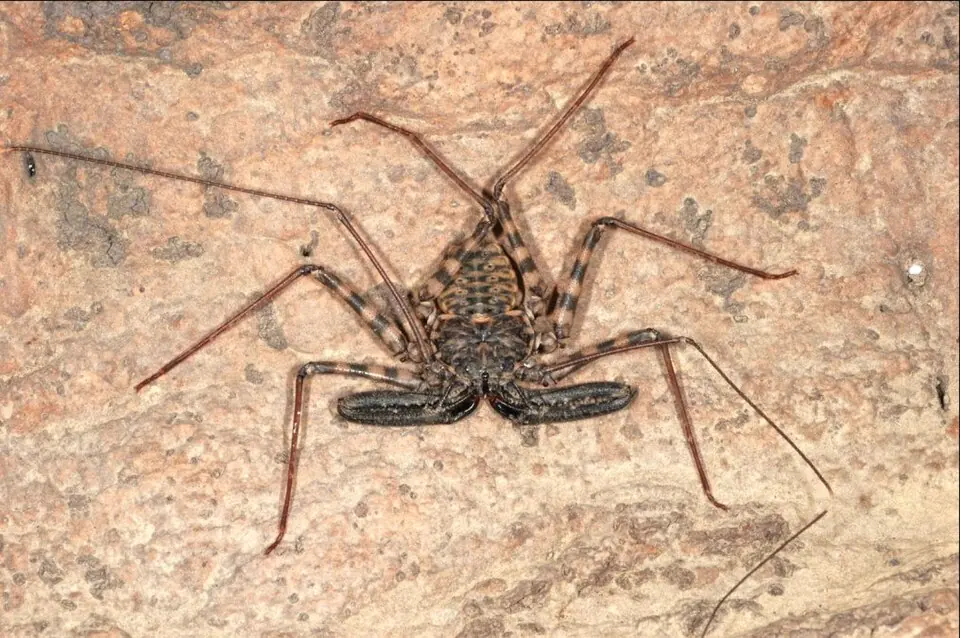 Arachnids
Damon diadema whip spider
Damon diadema
Provide secure textured vertical surfaces, free hanging-molt space and drinking access for a solitary whip spider whose care continues through adult molts.
Researched care guide · Experienced keeper
Multi-year care; longevity evidence is limited
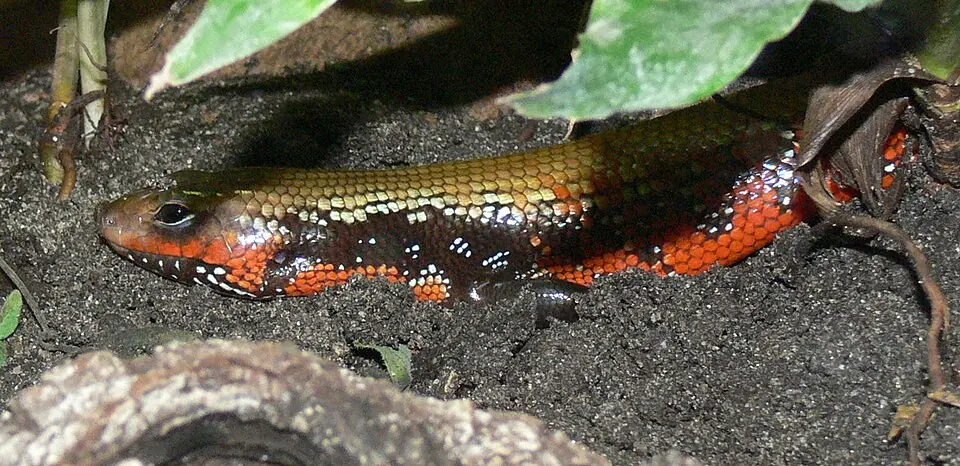 Lizards
African fire skink
Mochlus fernandi
Build a deep, sheltered soil habitat for an African fire skink, with measured heat, voluntary light and a varied invertebrate menu.
Researched care guide · Some experience
Plan for a decade or more
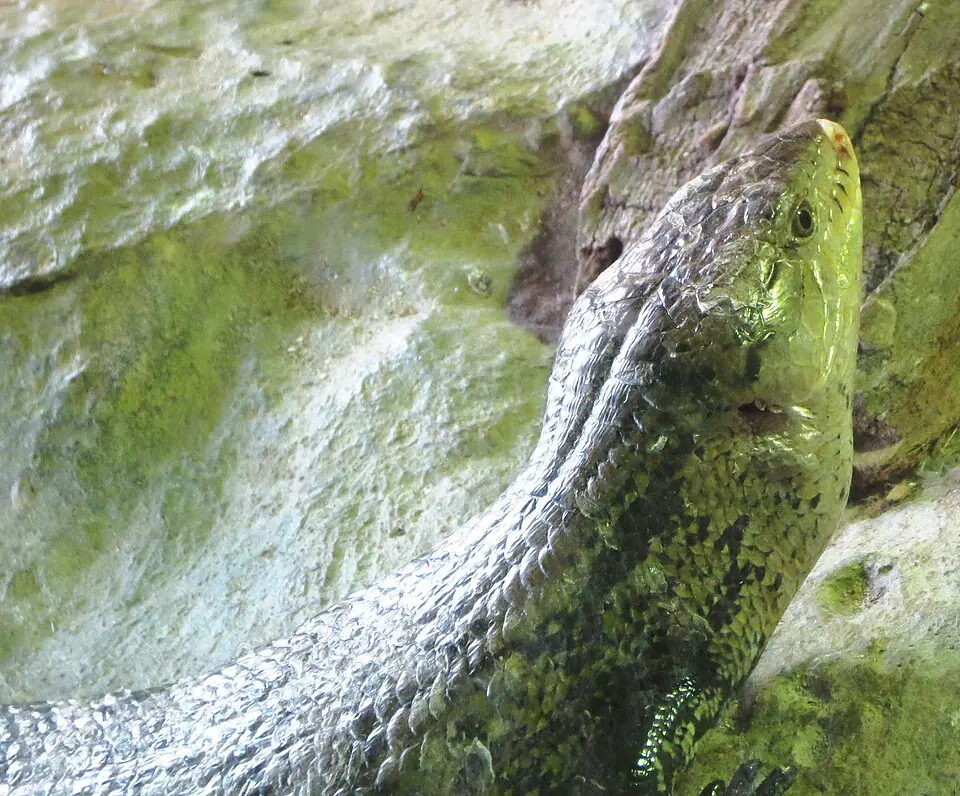 Lizards
Indonesian blue-tongued skink
Tiliqua gigas
Confirm the Indonesian blue-tongued skink’s identity, then plan a broad, furnished home with its own humidity, thermal and feeding requirements.
Researched care guide · Some experience
Prepare for a commitment of many years
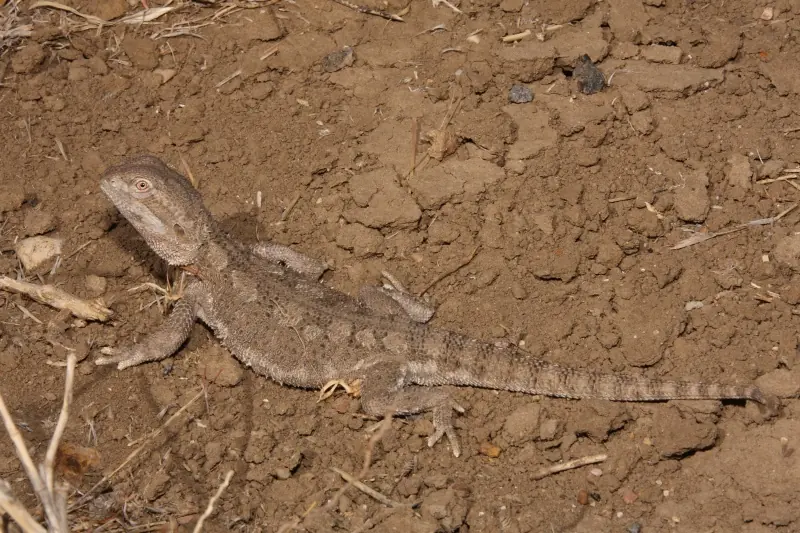 Lizards
Rankin’s dragon
Pogona henrylawsoni
Give Rankin’s dragon a full, furnished adult habitat with measured basking, ultraviolet light and a menu adjusted through growth.
Researched care guide · Some experience
Plan for a decade or longer
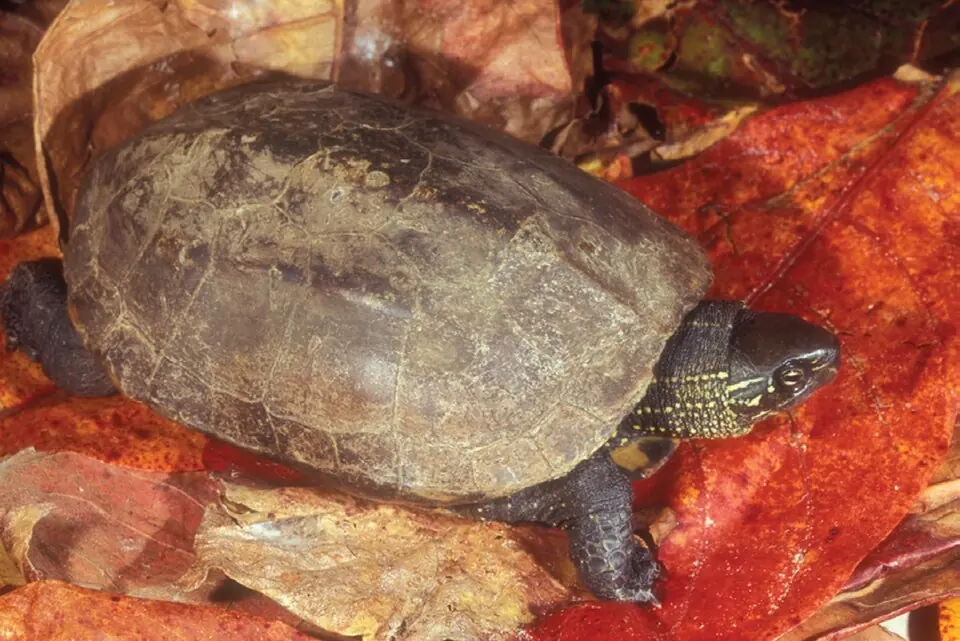 Turtles & tortoises
Reeves’s turtle
Mauremys reevesii
Plan a freshwater system for the actual adult Reeves’s turtle, with supported swimming, a dry dock, measured light and reliable maintenance.
Researched care guide · Some experience
Prepare for two decades or more
 Lizards
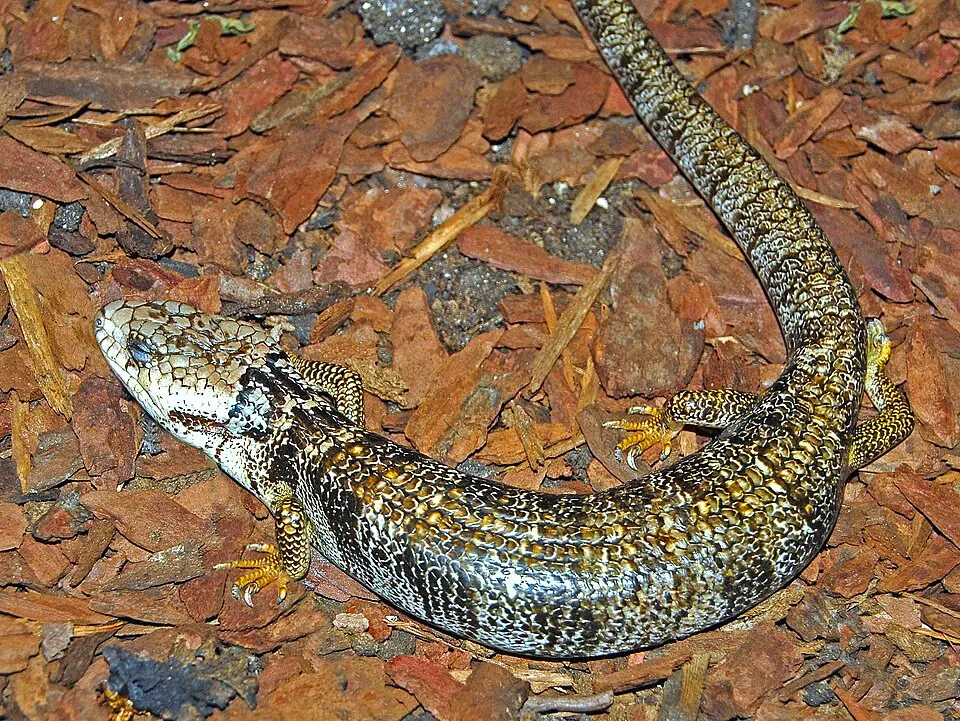
Pink-tongued skink
Cyclodomorphus gerrardii
Prepare connected branches, sheltered soil and a realistic mollusk menu for a pink-tongued skink, with measured warmth and hydration.
Researched care guide · Some experience
Plan for a decade or more
 Lizards
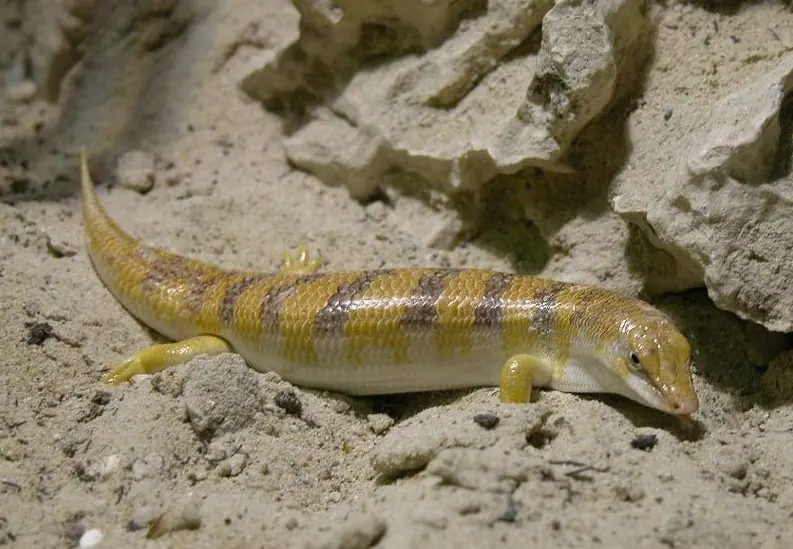
Sandfish skink
Scincus scincus
Plan a confirmed sandfish skink’s deep freely burrowable sand, measured surface-and-depth thermal choices, cultured prey and quiet observation.
Researched care guide · Some experience
Prepare for care lasting around a decade
 Lizards
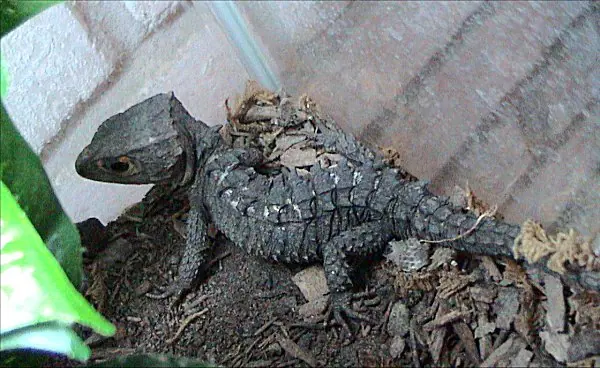
Red-eyed crocodile skink
Tribolonotus gracilis
Give a red-eyed crocodile skink quiet covered routes, fresh humid refuges and shallow water while preserving a cool retreat.
Researched care guide · Experienced keeper
Plan for many years of quiet care
 Lizards
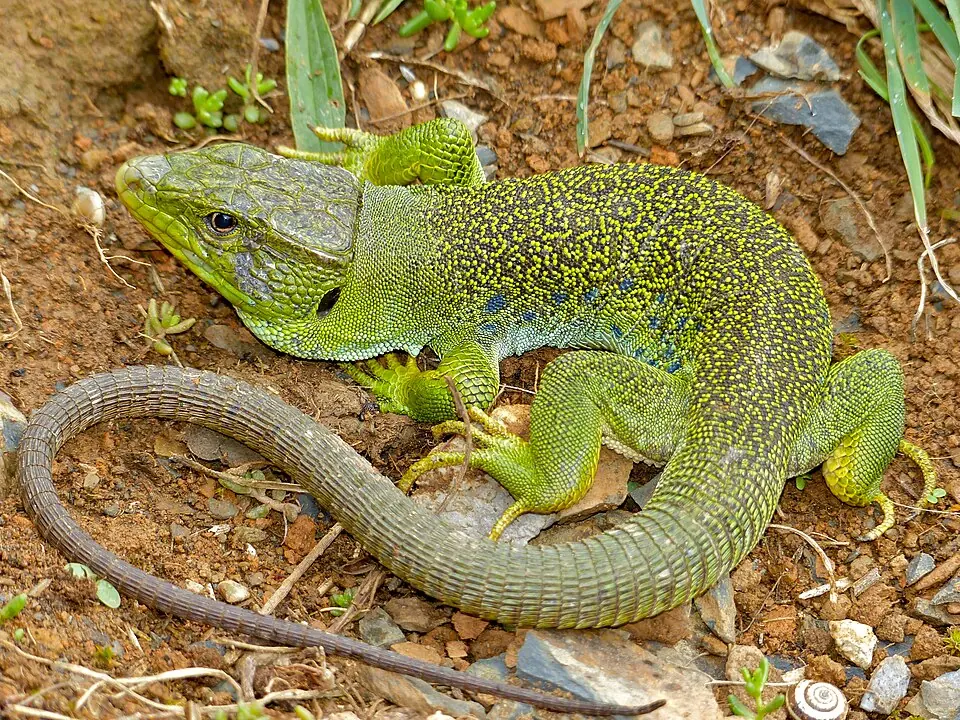
Jeweled lacerta
Timon lepidus
Plan an active jeweled lacerta’s floor, anchored digging and climbing features, measured basking and insect-rich food variety.
Researched care guide · Some experience
Prepare for a decade or more
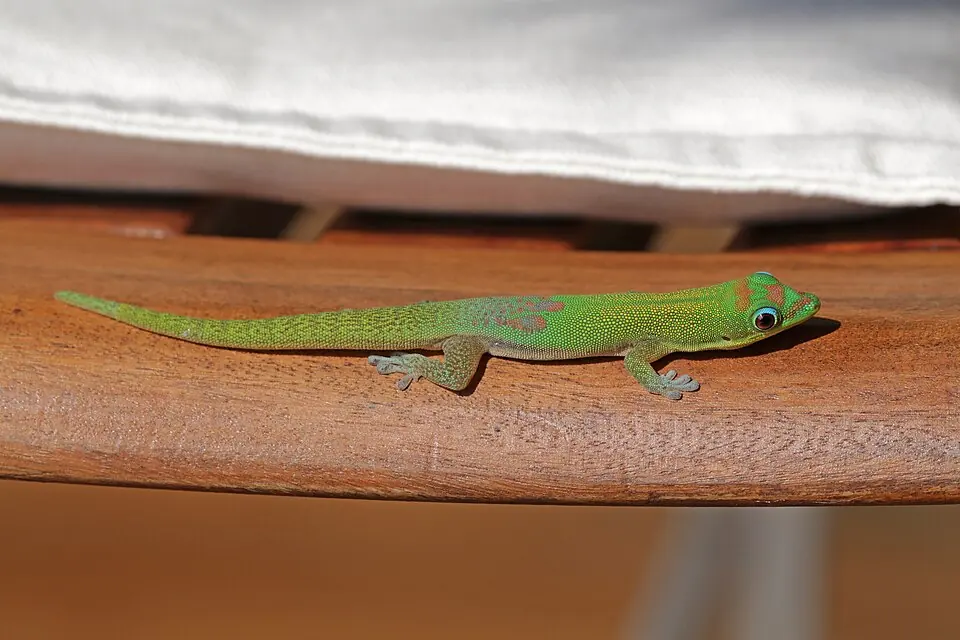 Lizards
Gold dust day gecko
Phelsuma laticauda
Connect a gold dust day gecko’s canopy, food and drinking routes while preserving delicate skin, measured warmth and voluntary ultraviolet basking.
Researched care guide · Some experience
Plan for many years of canopy care
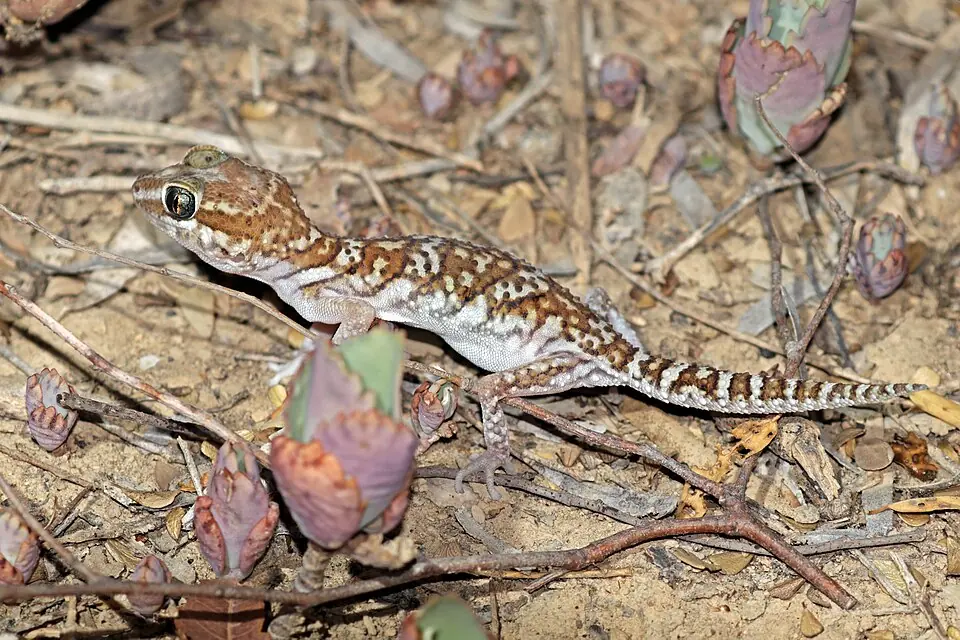 Lizards
Pictus gecko
Paroedura picta
Prepare a covered floor, visible small-prey feeding and separate warm, cool and moist retreats for the Madagascar ground or pictus gecko.
Researched care guide · Some experience
Plan continuing care beyond the purchase
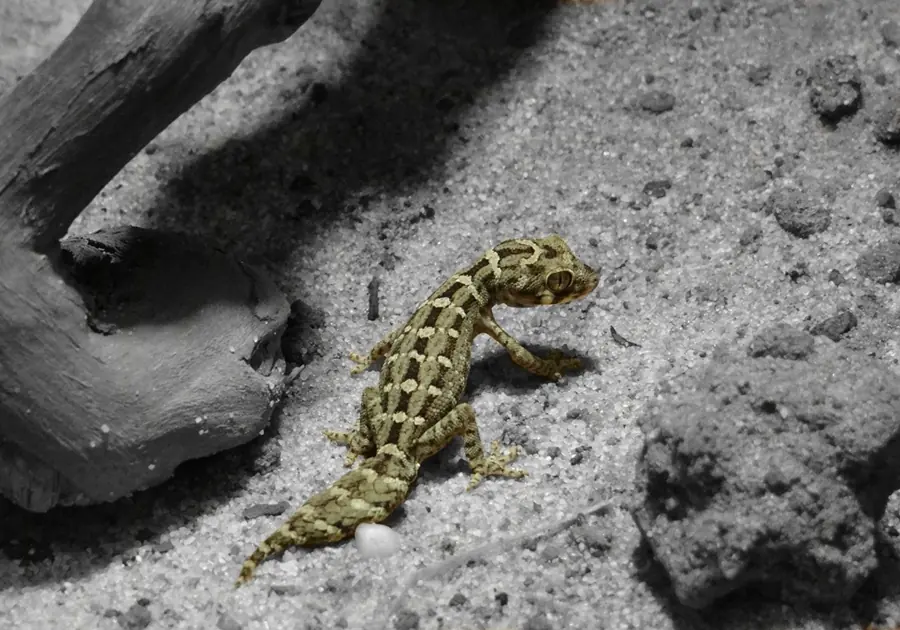 Lizards
Viper gecko
Hemidactylus imbricatus
Prepare small insect prey, secure low shelters, a warm basking spot and a moist hide for this tiny ground gecko.
Researched care guide · Some experience
Plan long-term micro-gecko care
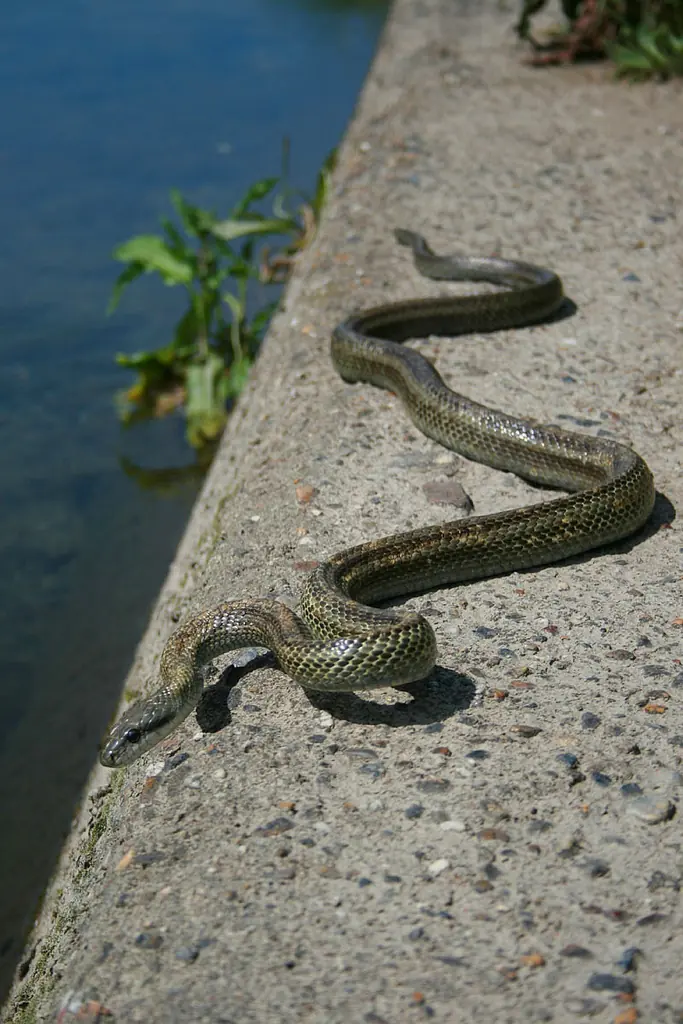 Snakes
Japanese rat snake
Elaphe climacophora
Plan a Japanese rat snake’s adult length, anchored climbing routes, cooler retreats and a condition-led whole-prey routine.
Researched care guide · Some experience
Plan long-term snake care
 Snakes
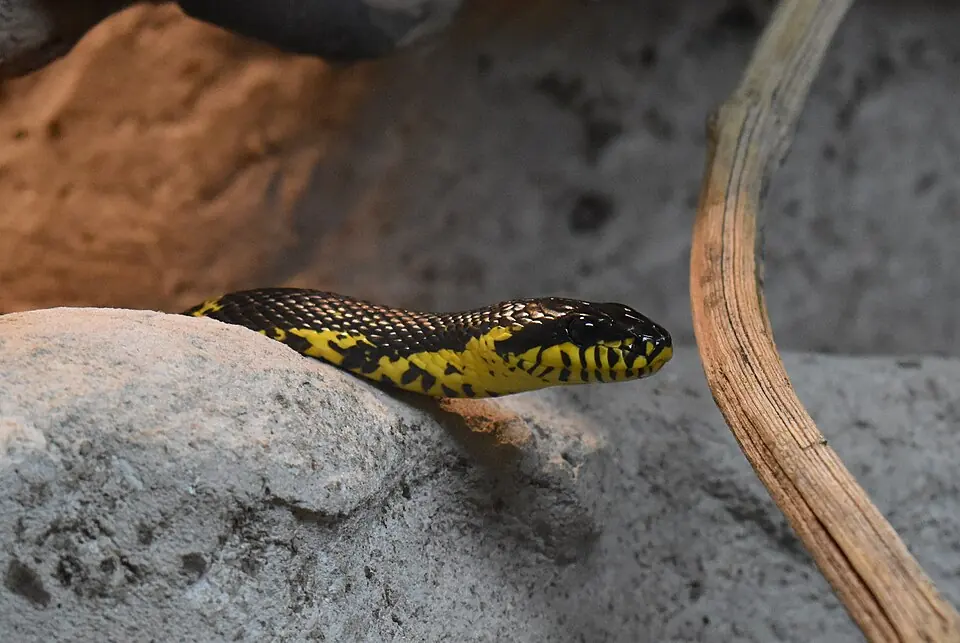
Russian rat snake
Elaphe schrenckii
Give a Russian or Amur rat snake secure adult climbing space, a reliable cool retreat and individual feeding and seasonal records.
Researched care guide · Some experience
Plan a long-term commitment
 Snakes
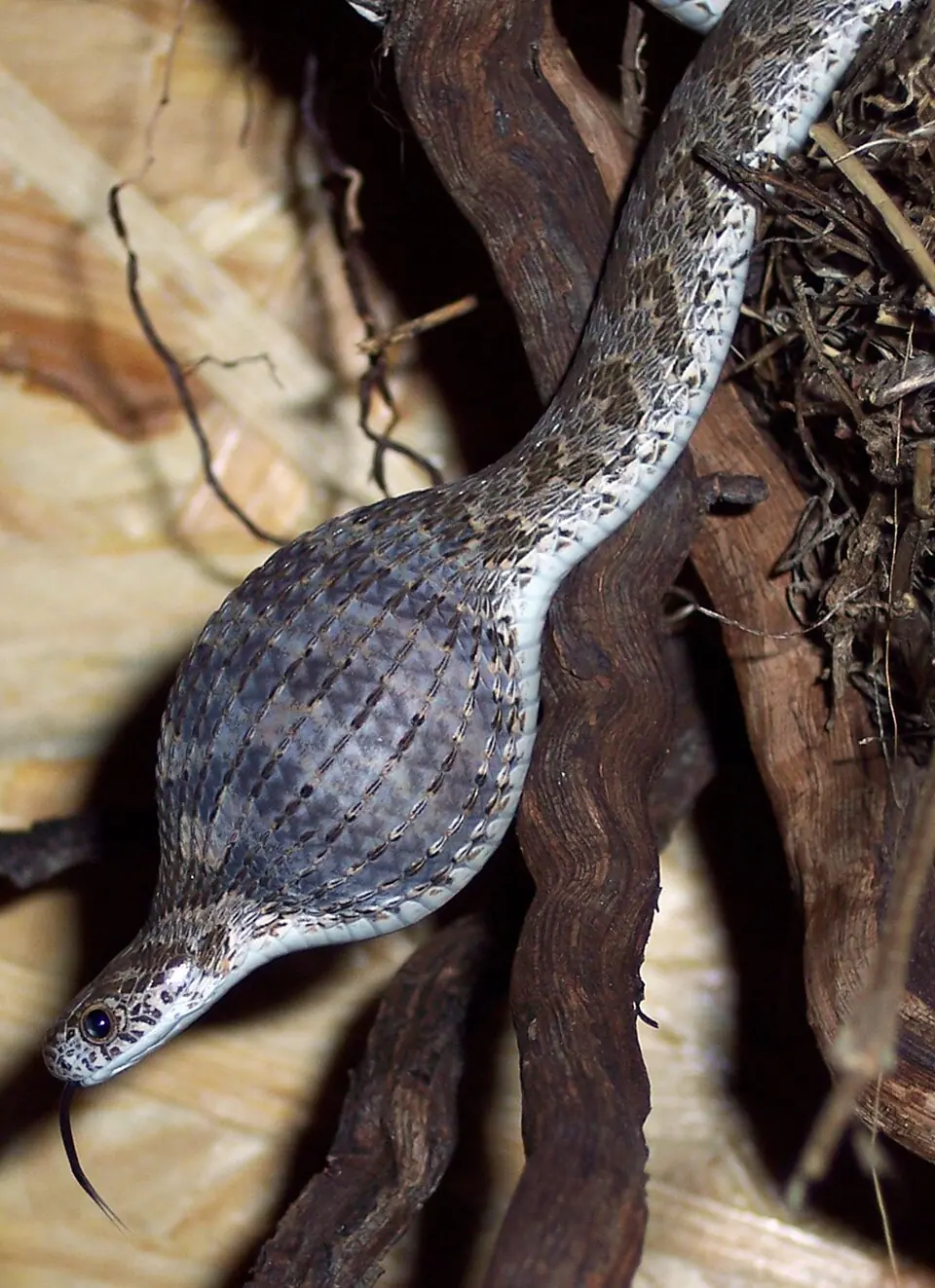
Common egg-eating snake
Dasypeltis scabra
Begin with confirmed identity and a dependable tiny-egg supply, then plan a common egg-eater’s secure routes, gentle gradient and weight-led monitoring.
Researched care guide · Experienced keepers
Plan long-term specialist feeding care
 Snakes
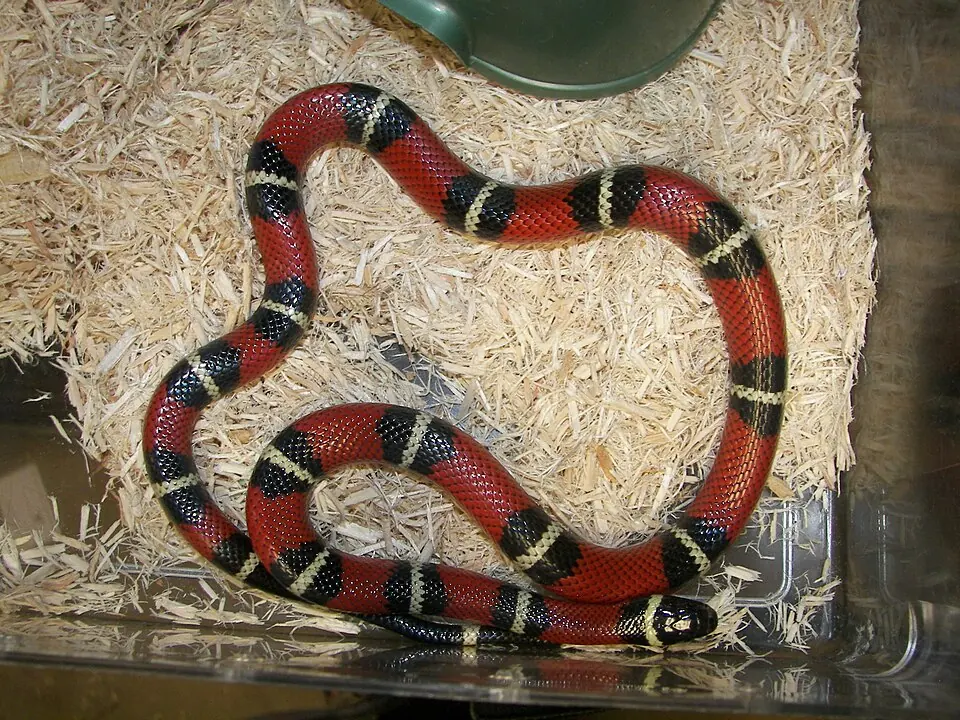
Mexican milk snake
Lampropeltis polyzona
Resolve the Mexican milk snake’s identity, then plan full-length solitary housing, safe burrowing, a warm option and a whole-prey routine.
Researched care guide · Some experience
Plan long-term solitary snake care
 Turtles & tortoises
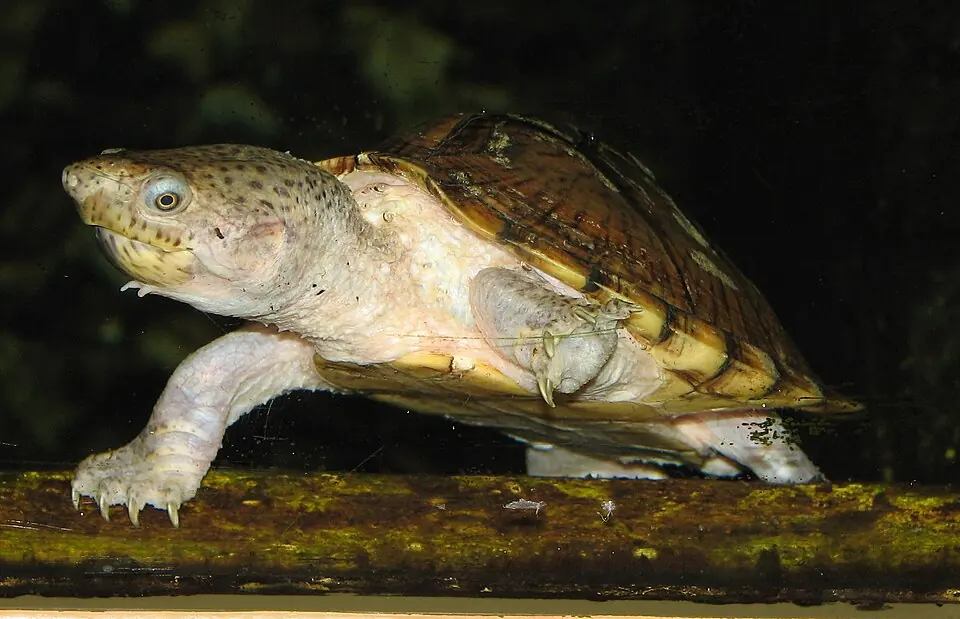
Razor-backed musk turtle
Sternotherus carinatus
Plan a razor-backed musk turtle’s usable water footprint, safe surface routes, dry basking access and a mature tested filtration system.
Researched care guide · Some experience
Plan continuing long-term aquatic care
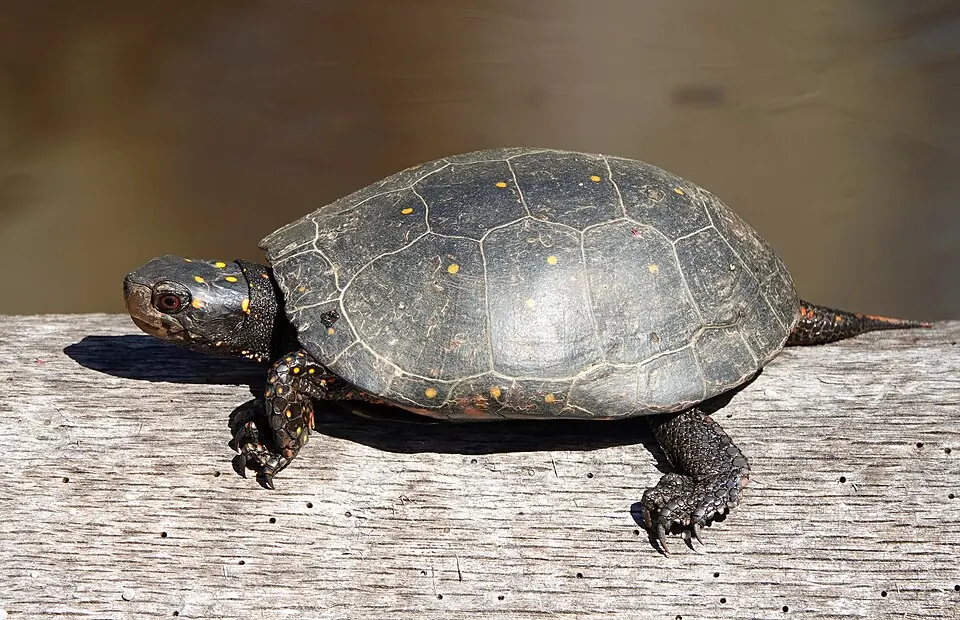 Turtles & tortoises
Spotted turtle
Clemmys guttata
Give a spotted turtle real land, supported shallow water, voluntary basking and a tested aquarium routine while assessing food and seasons individually.
Researched care guide · Experienced keepers
Plan a long-term wetland-animal commitment
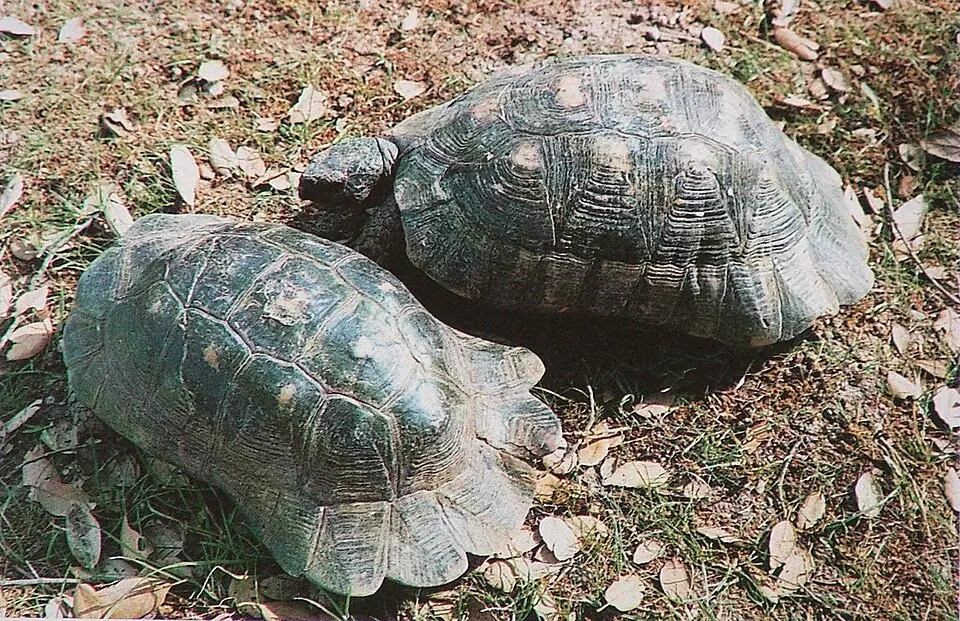 Turtles & tortoises
Marginated tortoise
Testudo marginata
Plan a marginated tortoise’s substantial movement space, deep soil, hydration, fibrous plant diet and individually assessed year-round habitat.
Researched care guide · Experienced keepers
Plan a long-term care and succession commitment
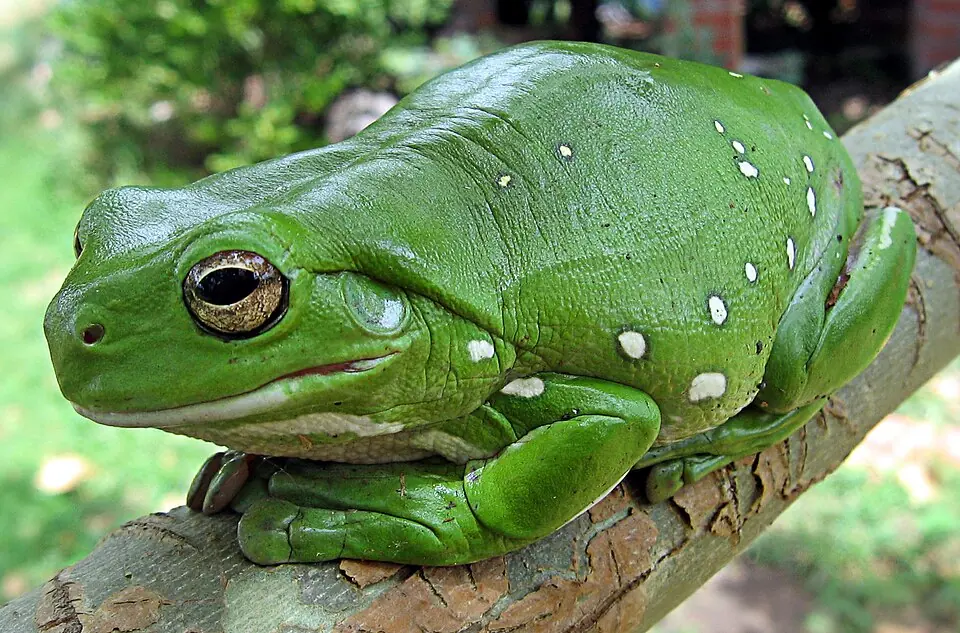 Amphibians
White's tree frog
Pelodryas caerulea
Build sturdy climbing routes, measured climate choices and a clean shallow bath for one White’s tree frog, then match live-food meals to growth and condition.
Researched care guide · Some experience
Often over a decade, potentially twenty years or longer
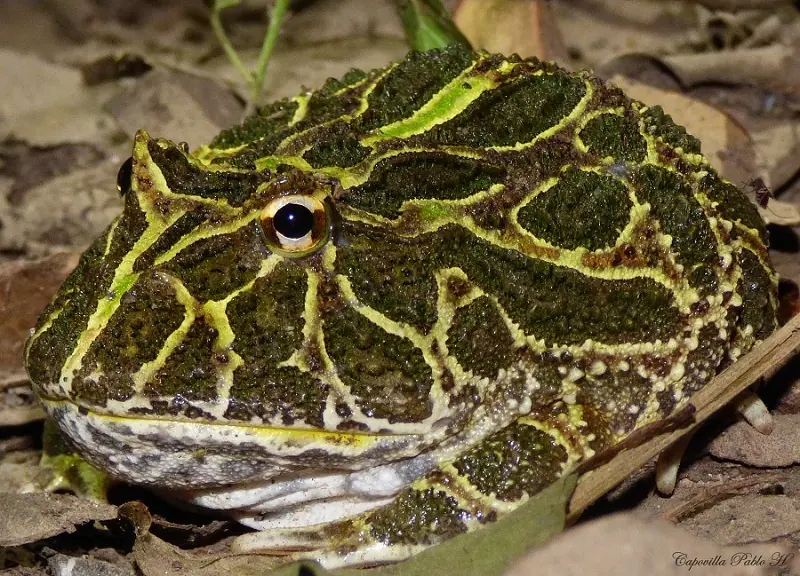 Amphibians
Cranwell's horned frog
Ceratophrys cranwelli
Care for a correctly identified Cranwell’s horned frog with a deep moist burrow, safe shallow water and measured feeding through growth.
Researched care guide · Some experience
Plan for many years; captive life expectancy is uncertain
 Amphibians
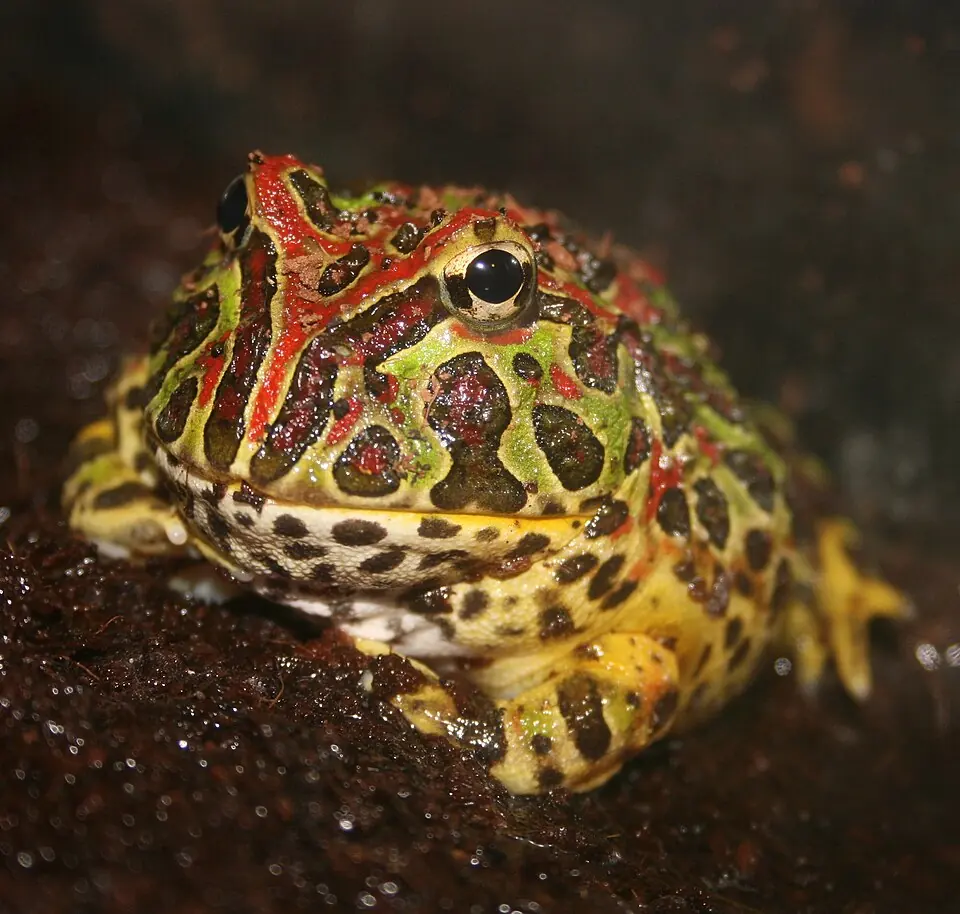
Ornate horned frog
Ceratophrys ornata
Plan a spacious burrowing home for an ornate horned frog, with controlled warmth, voluntary low light exposure and an earthworm-rich feeding routine.
Researched care guide · Some experience
Plan for roughly a decade
 Amphibians
African bullfrog
Pyxicephalus adspersus
Plan adult male or confirmed female African bullfrog housing, deep burrowing space, a serviceable bath and a long-term feeding and health record.
Researched care guide · Some experience
Potentially 15–25 years
 Amphibians
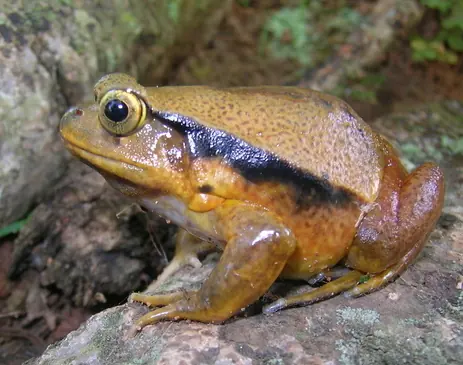
Sambava tomato frog
Dyscophus guineti
Keep a precisely identified Sambava tomato frog with moist burrowing soil, clean shallow water, careful heat control and a varied live-food routine.
Researched care guide · Some experience
Plan for roughly 6–10 years
 Amphibians
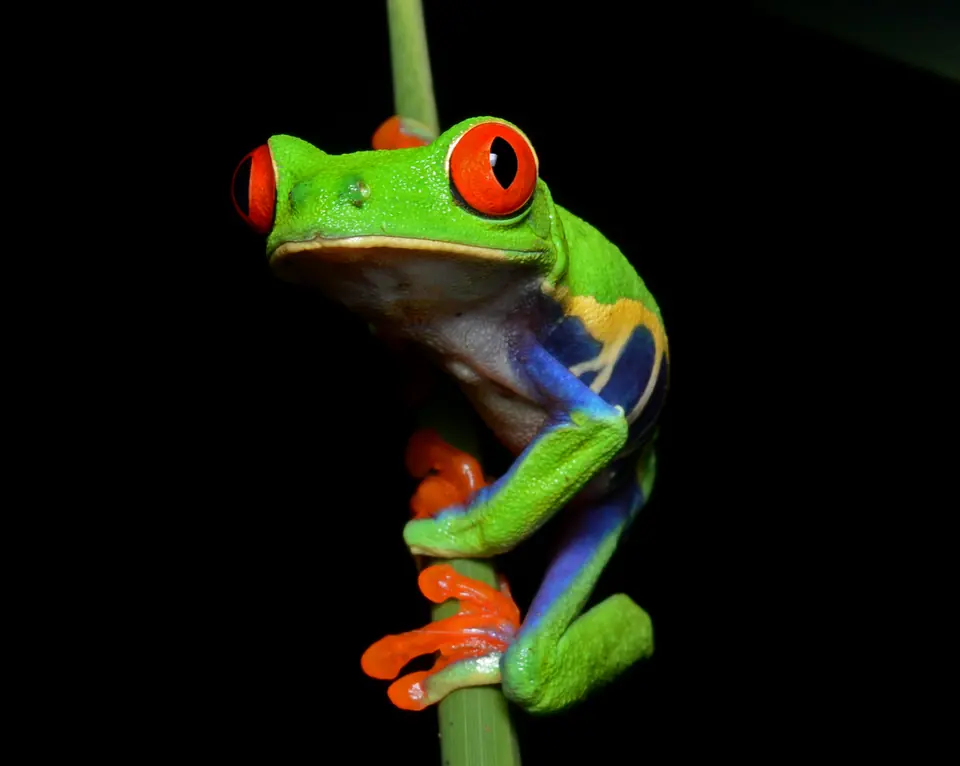
Red-eyed tree frog
Agalychnis callidryas
Plan sheltered climbing routes, measured climate and ultraviolet choices, clean shallow water and evening feeding for a correctly identified red-eyed tree frog.
Researched care guide · Some experience
Plan for 5–10 years or longer
 Amphibians
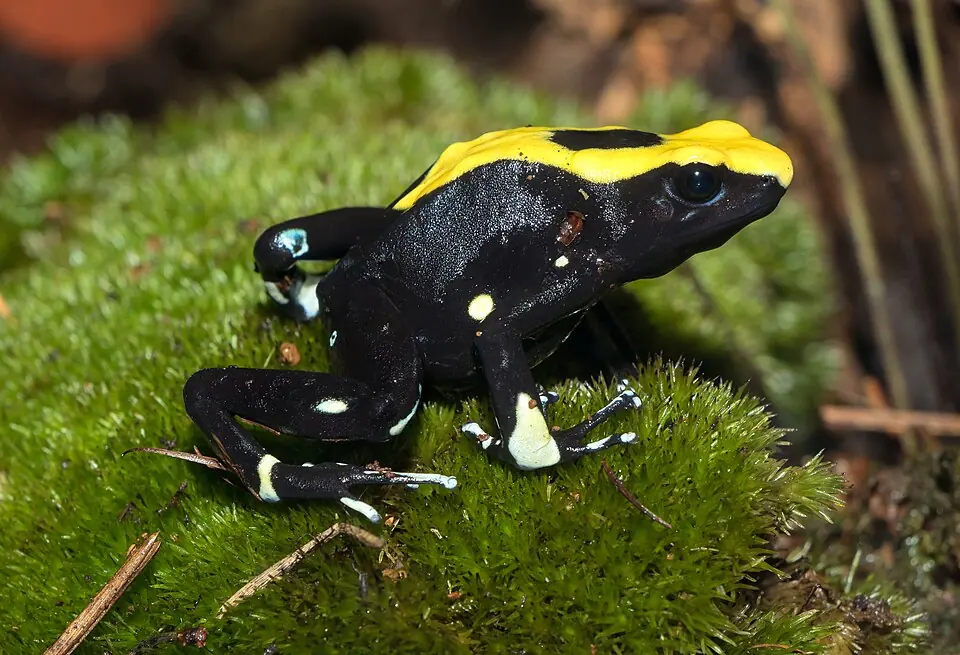
Dyeing poison dart frog
Dendrobates tinctorius
Preserve form identity while planning cool planted floor space, ventilated moist refuges, reliable tiny prey and an individual feeding record.
Researched care guide · Some experience
Plan for a possible 20-year commitment
 Amphibians
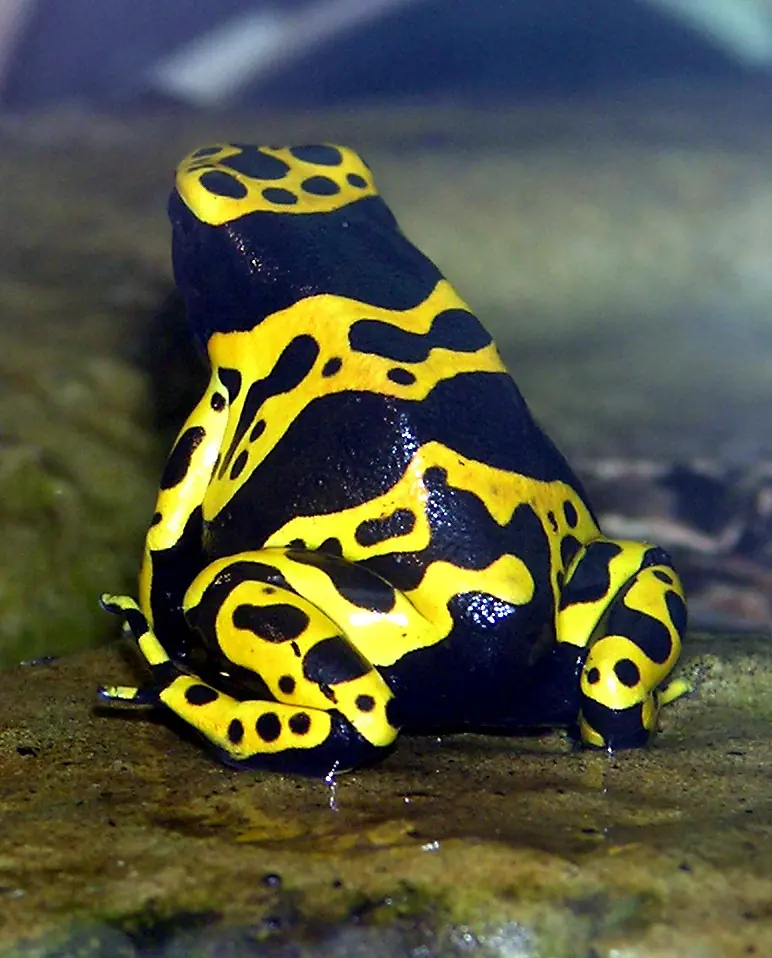
Bumblebee poison dart frog
Dendrobates leucomelas
Plan leaf litter and connected climbing cover, cool ventilated moisture, reliable tiny prey and individual observations for this calling dart frog.
Researched care guide · Some experience
Plan for a possible 20-year commitment
 Amphibians
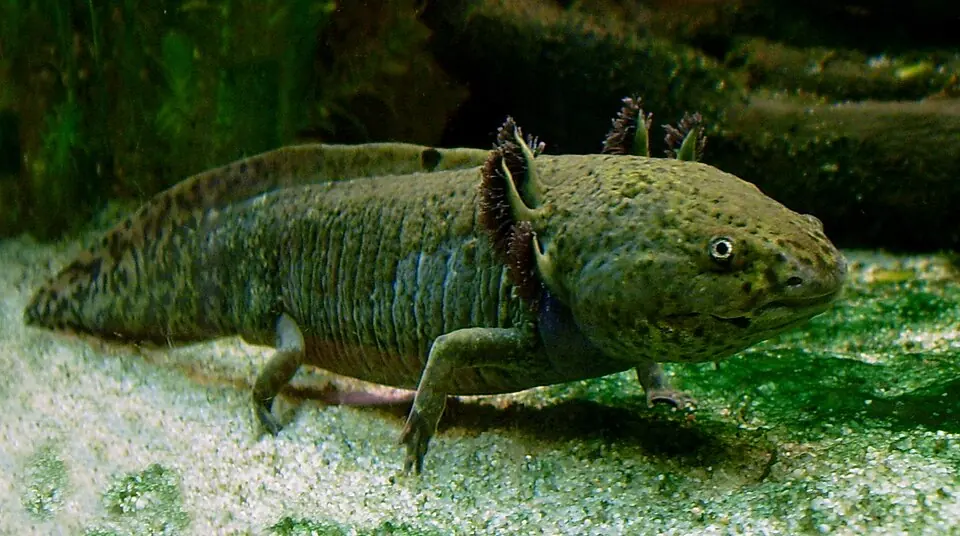
Axolotl
Ambystoma mexicanum
Commission cool stable water, biological filtration, measured chemistry, gentle current and usable underwater floor before the axolotl arrives.
Researched care guide · Some experience
Plan for about 10–15 years
 Amphibians
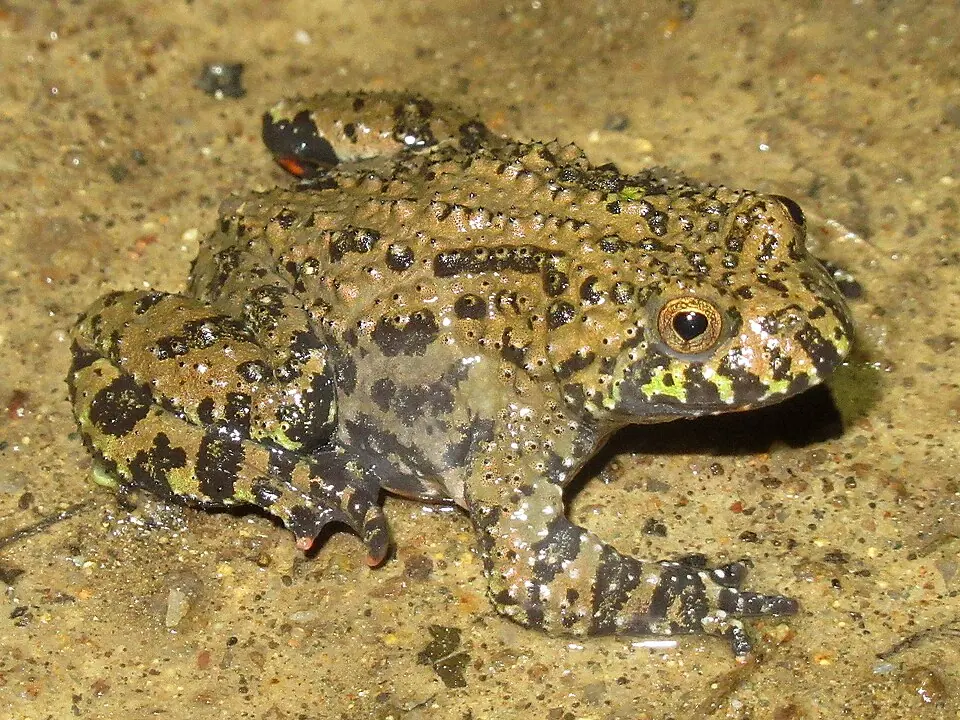
Oriental fire-bellied toad
Bombina orientalis
Plan usable damp land, clean shallow water with easy exits, cool active conditions and measured low ultraviolet exposure for a correctly identified fire-bellied toad.
Researched care guide · Some experience
Plan for about 10–15 years
No matches for these filters
Try removing a filter or searching for a broader term.