

Arachnids
Arachnids
Current named guides: Regal jumping spider, Curly hair tarantula, Mexican redknee tarantula, Antilles pinktoe tarantula, Vietnamese forest scorpion, Desert hairy scorpion, Costa Rican zebra tarantula, Chilean rose tarantula, Common pinktoe tarantula, Arizona blonde tarantula, Emperor scorpion, Damon diadema whip spider. Read the exact species scope in each guide. Other members of this group are not automatically covered.
12 care guides in this collection
 Arachnids
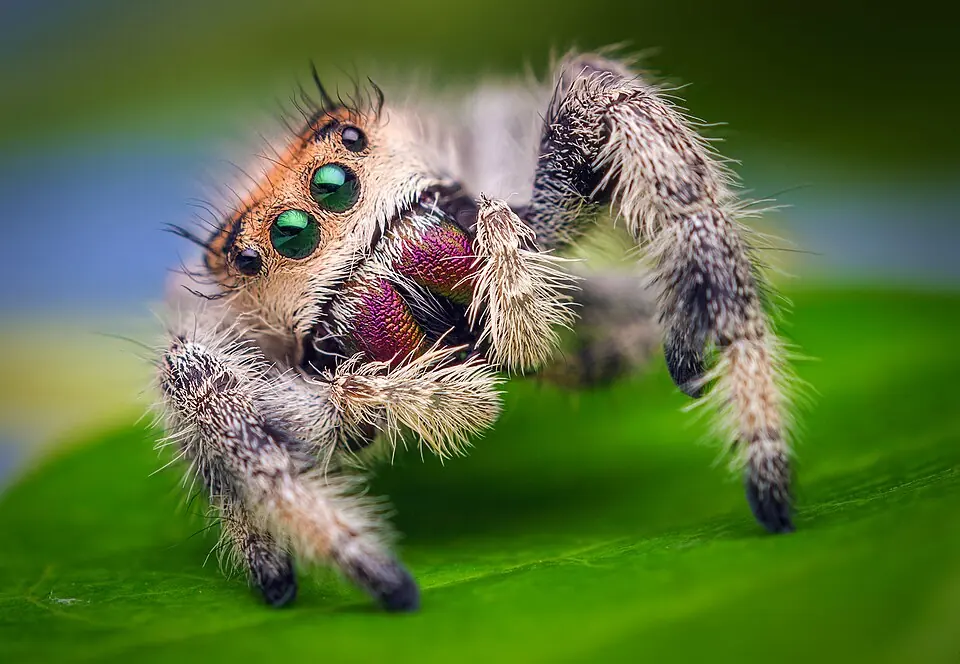
Regal jumping spider
Phidippus regius
Build connected upper retreats for a daylight hunter, with fine drinking droplets, visible feeding and careful protection of its silk molt shelter.
Researched care guide · Some experience
About 1–2 years from hatching; purchase age matters
 Arachnids
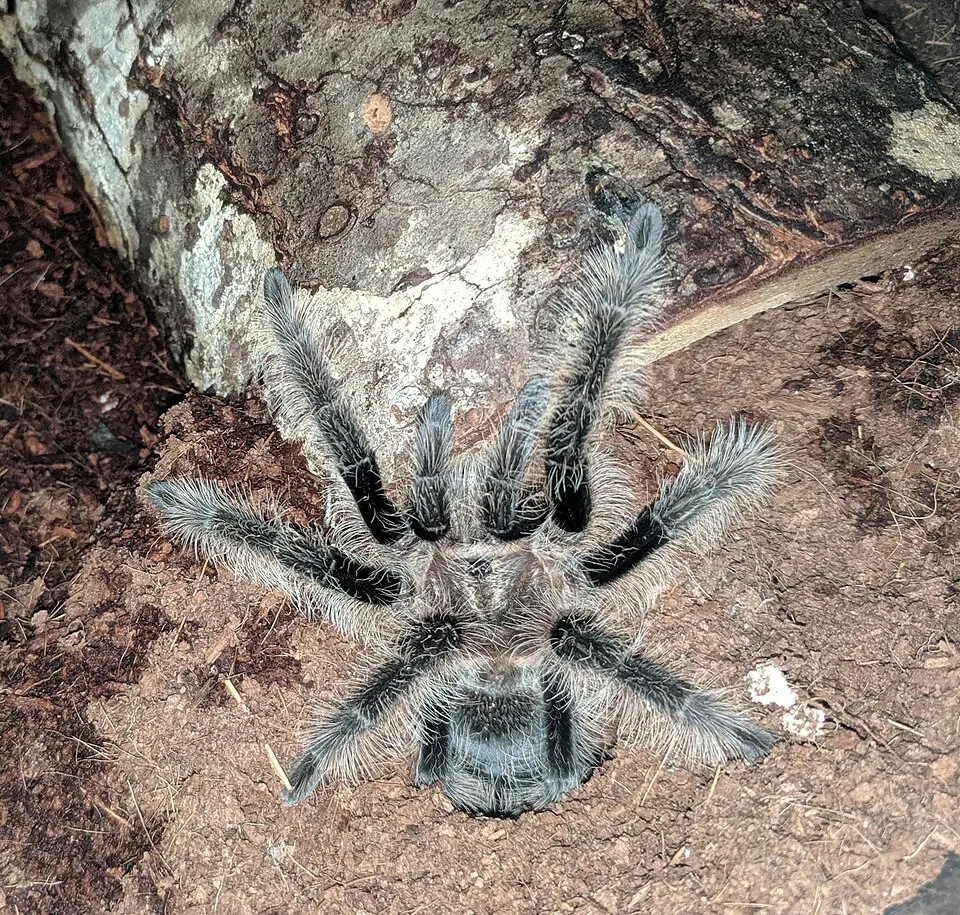
Curly hair tarantula
Tliltocatl albopilosus
Give this ground-dwelling tarantula deep cohesive soil, a protected burrow and accessible water, and plan for a female that may need decades of care.
Researched care guide · Getting started
Females may need decades of care; males are shorter lived
 Arachnids
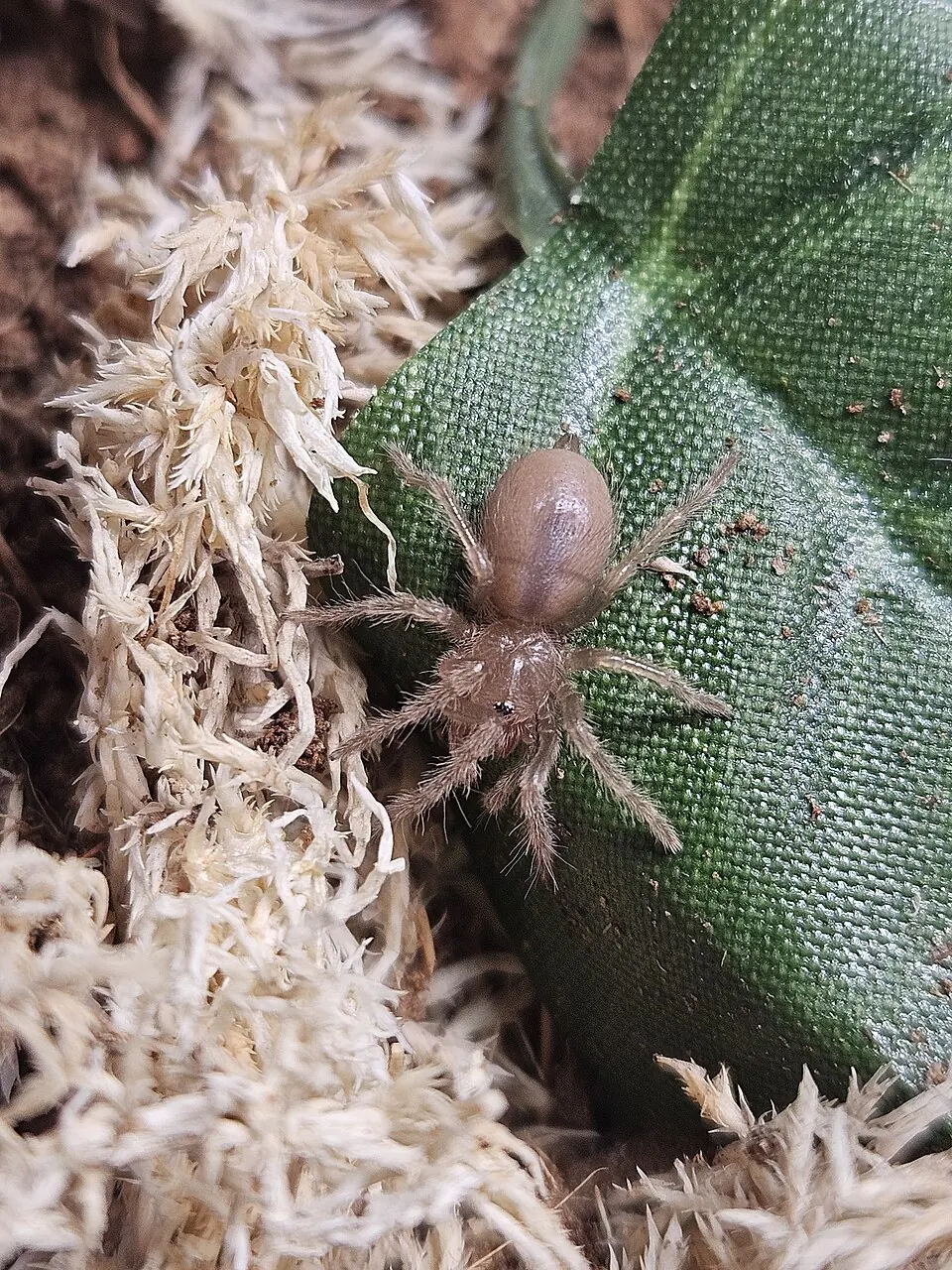
Mexican redknee tarantula
Brachypelma hamorii
Care for a correctly identified redknee with a stable soil retreat, mostly dry upper ground, continuous drinking water and a long female planning horizon.
Researched care guide · Getting started
Female and male lifespan estimates differ; plan long-term care
 Arachnids
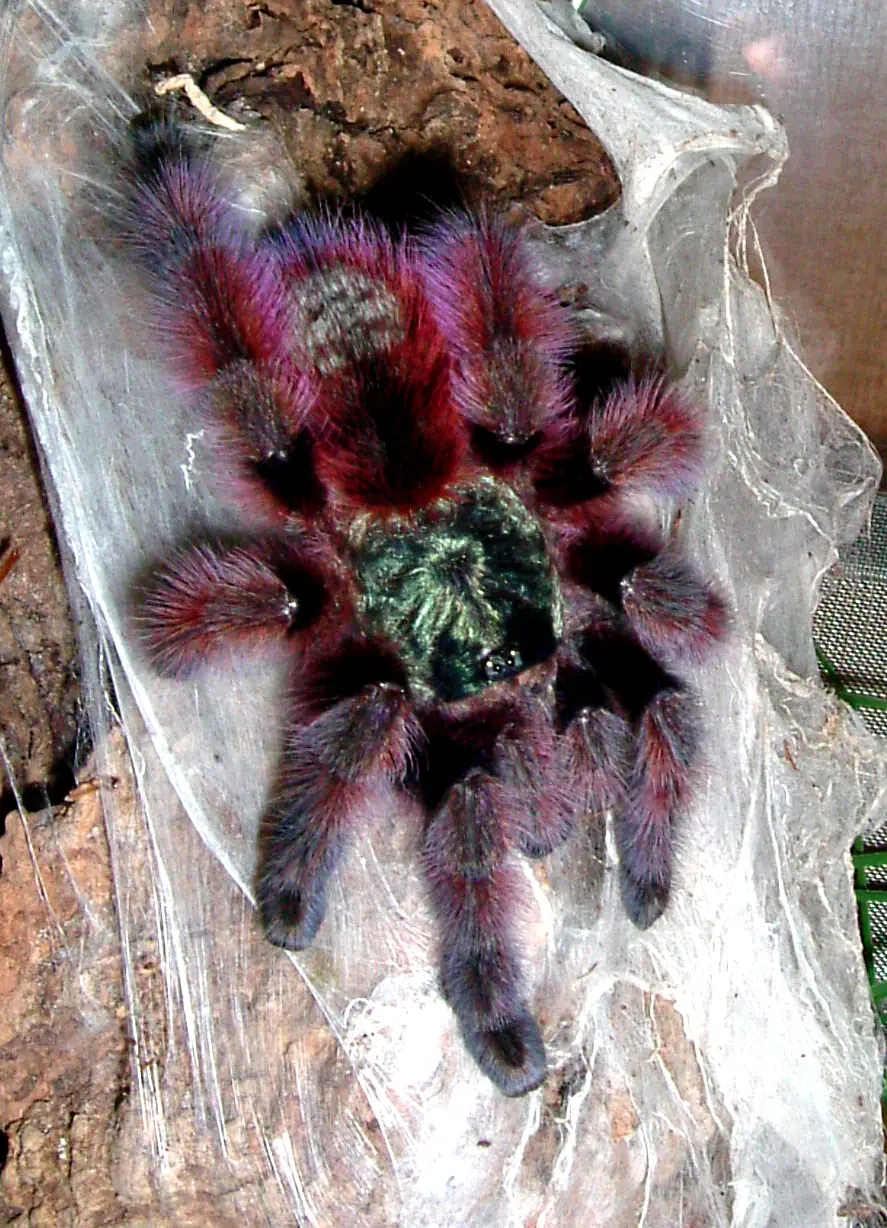
Antilles pinktoe tarantula
Caribena versicolor
Furnish a ventilated vertical habitat for the Martinique pinktoe, preserving upper silk retreats and reachable drinking water through growth and molts.
Researched care guide · Some experience
Female and male lifespan estimates differ
 Arachnids
Vietnamese forest scorpion
Heterometrus silenus
Check the forest-scorpion identity, then provide deep damp soil, a protected retreat and drinking water with secure access and modest insect meals.
Researched care guide · Some experience
Lifespan uncertain; plan for years of care
 Arachnids
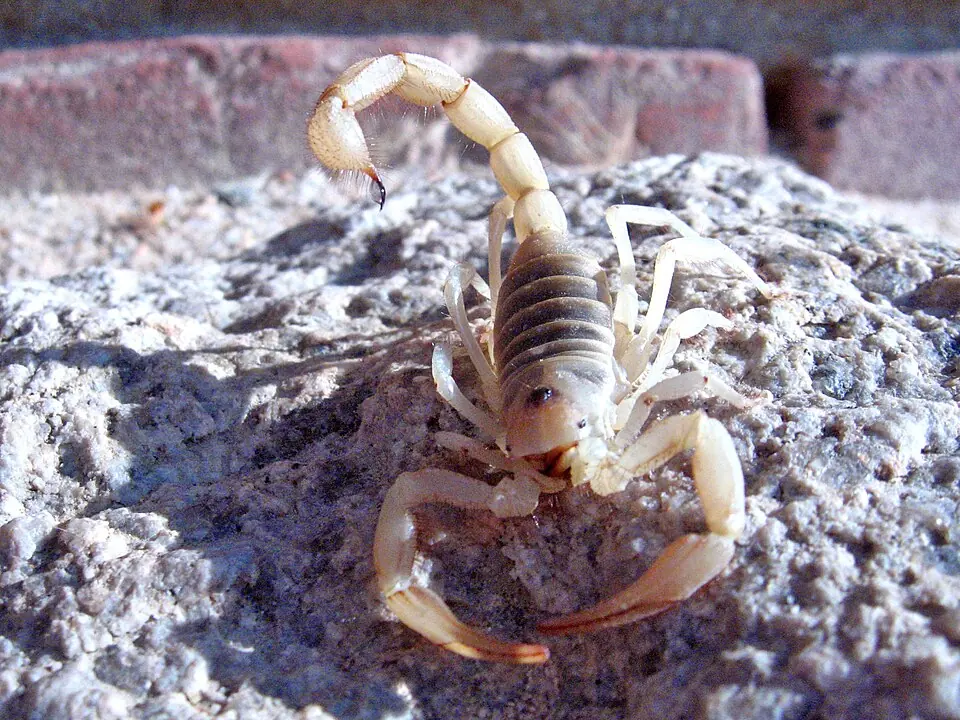
Desert hairy scorpion
Hadrurus arizonensis
Provide cohesive digging depth beneath a ventilated dry surface, a cooler refuge and clean drinking water for this desert burrower.
Researched care guide · Some experience
Potentially 15–20 years of care
 Arachnids
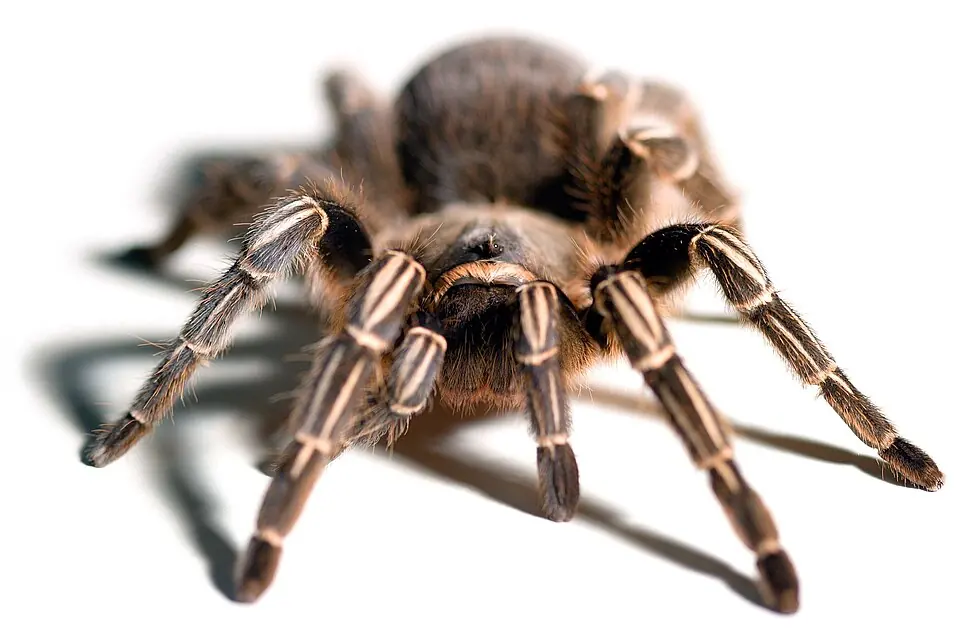
Costa Rican zebra tarantula
Aphonopelma seemanni
Plan around a soil burrow that may stay out of sight, with deep diggable substrate, low exposed falls, drinking water and restrained adult feeding.
Researched care guide · Getting started
Females may need decades of care; males are shorter lived
 Arachnids
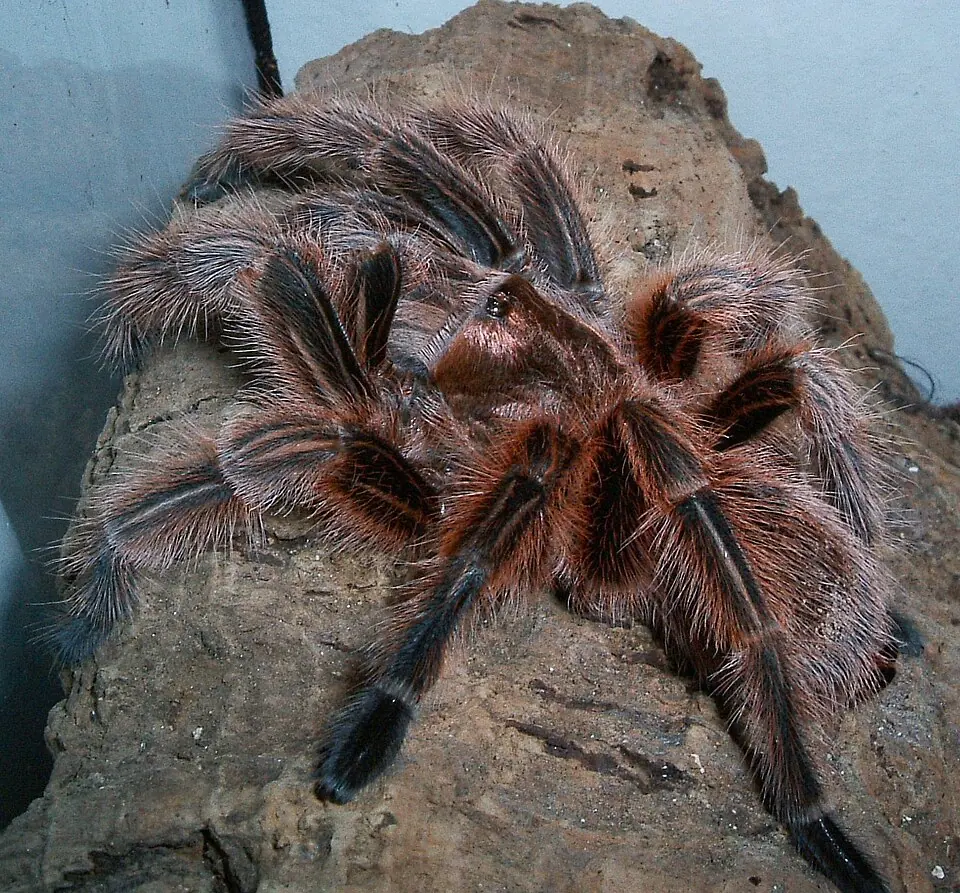
Chilean rose tarantula
Grammostola rosea
Keep a solitary ground retreat and accessible water while tracking body condition through variable appetite, and understand the former porteri name.
Researched care guide · Getting started
Females may need decades of care; male age varies
 Arachnids
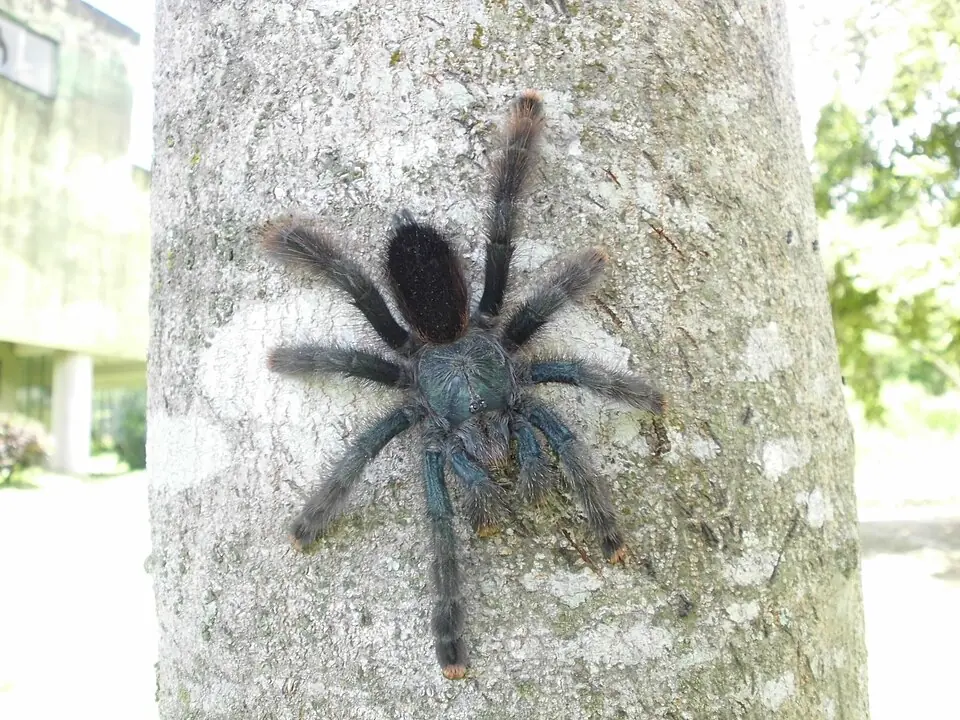
Common pinktoe tarantula
Avicularia avicularia
Confirm which pinktoe you have and connect sheltered upper routes with drinking access, effective cross ventilation and protected silk through molts.
Researched care guide · Some experience
Female and male lifespan estimates differ
 Arachnids
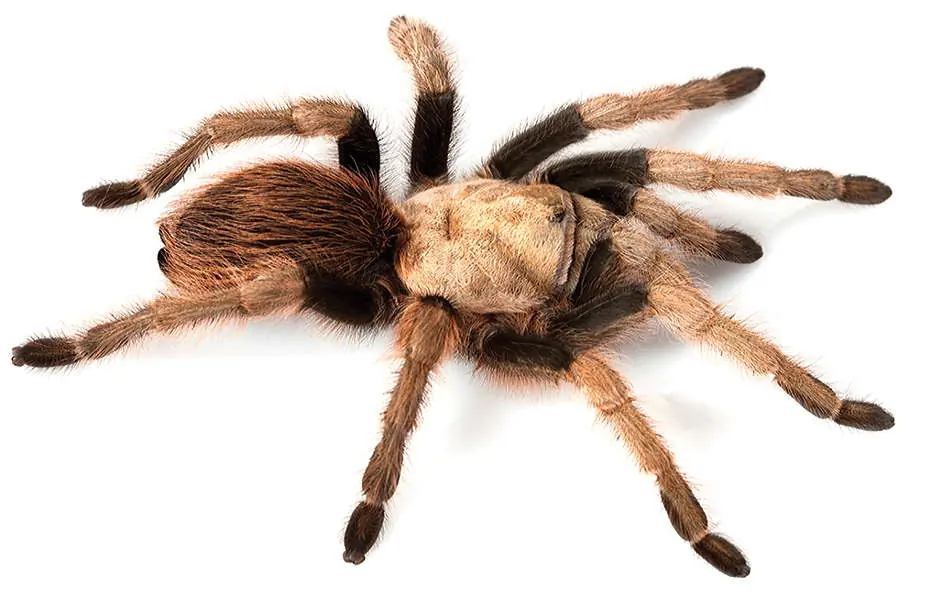
Arizona blonde tarantula
Aphonopelma chalcodes
Offer a deep stable retreat beneath mostly dry ground, maintain a drinking dish and use condition records to manage slow growth and fasting.
Researched care guide · Getting started
Females may need decades of care; male age estimates conflict.
 Arachnids
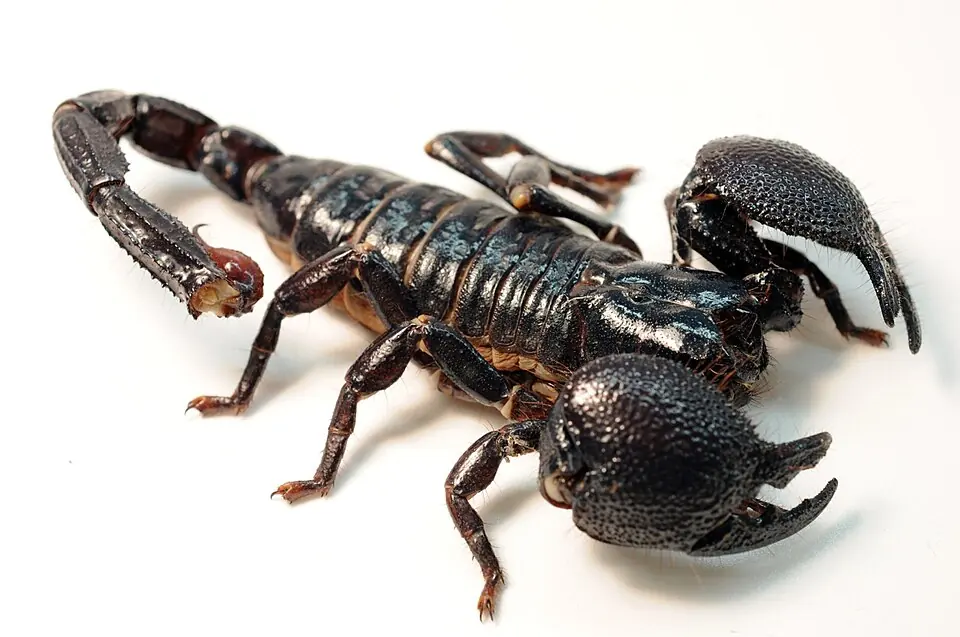
Emperor scorpion
Pandinus imperator
Maintain moist cohesive burrowing soil, shallow drinking water and measured warmth for one West African forest scorpion, with separate juvenile molt care.
Researched care guide · Some experience
Plan for 5–8 years or longer; adult age matters
 Arachnids
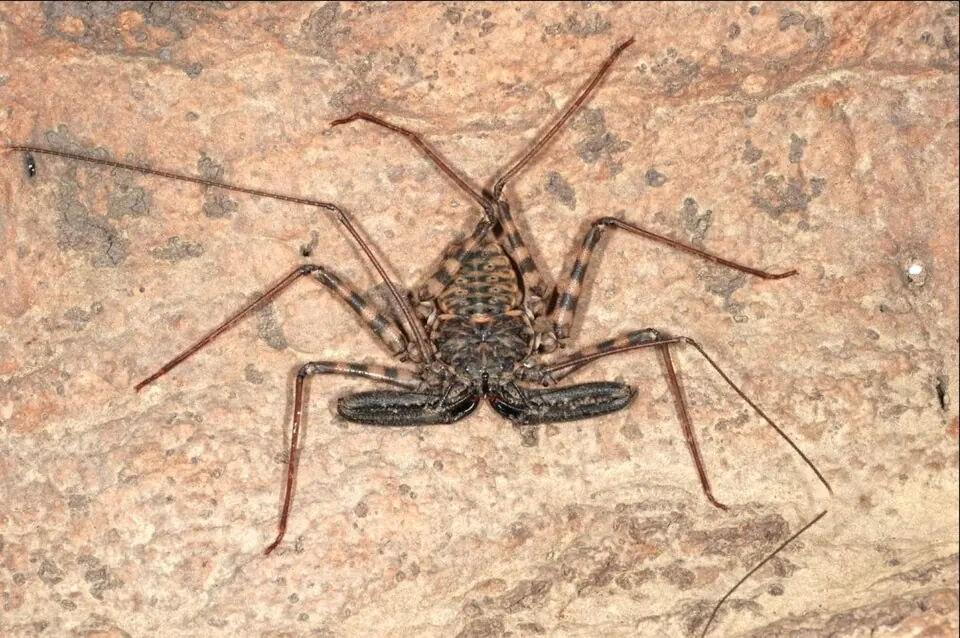
Damon diadema whip spider
Damon diadema
Provide secure textured vertical surfaces, free hanging-molt space and drinking access for a solitary whip spider whose care continues through adult molts.
Researched care guide · Experienced keeper
Multi-year care; longevity evidence is limited
Check the guide before planning a setup.
Open the matching care article to check its scope, follow its sources and start the animal’s setup checklist. Each article identifies any care decisions that still need individual assessment.