Use this guide as a starting point alongside the detailed sources below. Health concerns, unexplained changes in behavior, or feeding problems belong with a reptile veterinarian.
Adult enclosure recommendation
Our recommended minimum: 59.1″ × 29.6″ × 23.7″ (150 × 75 × 60 cm), length × depth × height.
Preferred target: 70.9″ × 35.5″ × 35.5″ (180 × 90 × 90 cm), length × depth × height.
Usable internal space for 1 adult animal. One adult California kingsnake up to ≈ 59.055″ (150 cm) total length.
Height is the usable internal envelope, including the space reserved for substrate and water. Check the remaining movement space and lamp clearance after installation.
Our preferred ≈ 70.9″ × 35.5″ × 35.5″ (180 × 90 × 90 cm) target adds wider travel routes, climbing and room for a larger water bowl without crowding shelter.
Our recommended minimum applies the specialist full-length × half-length floor rule to a ≈ 59.055″ (150 cm) adult, with the source's ≈ 23.622″ (60 cm) height for larger kingsnakes. It is an editorial welfare recommendation, not a trial-validated threshold.
Use at least total snake length × half total length, with height at least ≈ 23.7″ (60 cm). For a ≈ 70.866″ (180 cm) adult, minimum dimensions are ≈ 70.9″ × 35.5″ × 23.7″ (180 × 90 × 60 cm). Exceptionally long individuals are documented; measure the animal instead of treating a typical size as a ceiling.
- Floor space
- Retain the entire ≈ 59.1″ × 29.6″ (150 × 75 cm) footprint for ground travel around snug hides.
- Climbing space
- Provide anchored branches and elevated cover while retaining safe lamp clearance.
- Substrate
- About 4″ (10 cm) of burrowable bedding; the ≈ 23.622″ (60 cm) / 24 in total internal height then leaves about ≈ 19.685″ (50 cm) above it. Increase height for tall climbing structures or deep planting.
- Water
- A stable bowl large enough for the whole coiled snake to immerse itself, with clean water replaced daily.
- Security and ventilation
- House singly, mechanically secure doors and service ports, and anchor heavy objects below bedding.
Meeting these dimensions alone does not establish suitability. Check the usable layout, environmental conditions, equipment clearance and the individual animal’s requirements before occupation.
Identify the animal and the fit
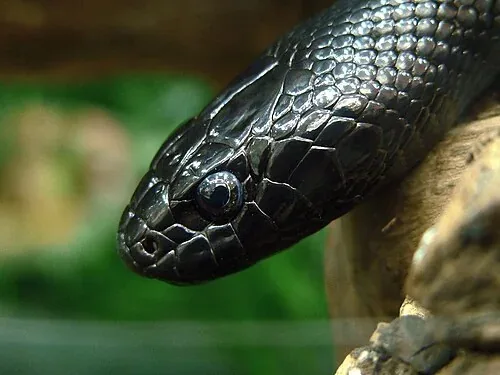
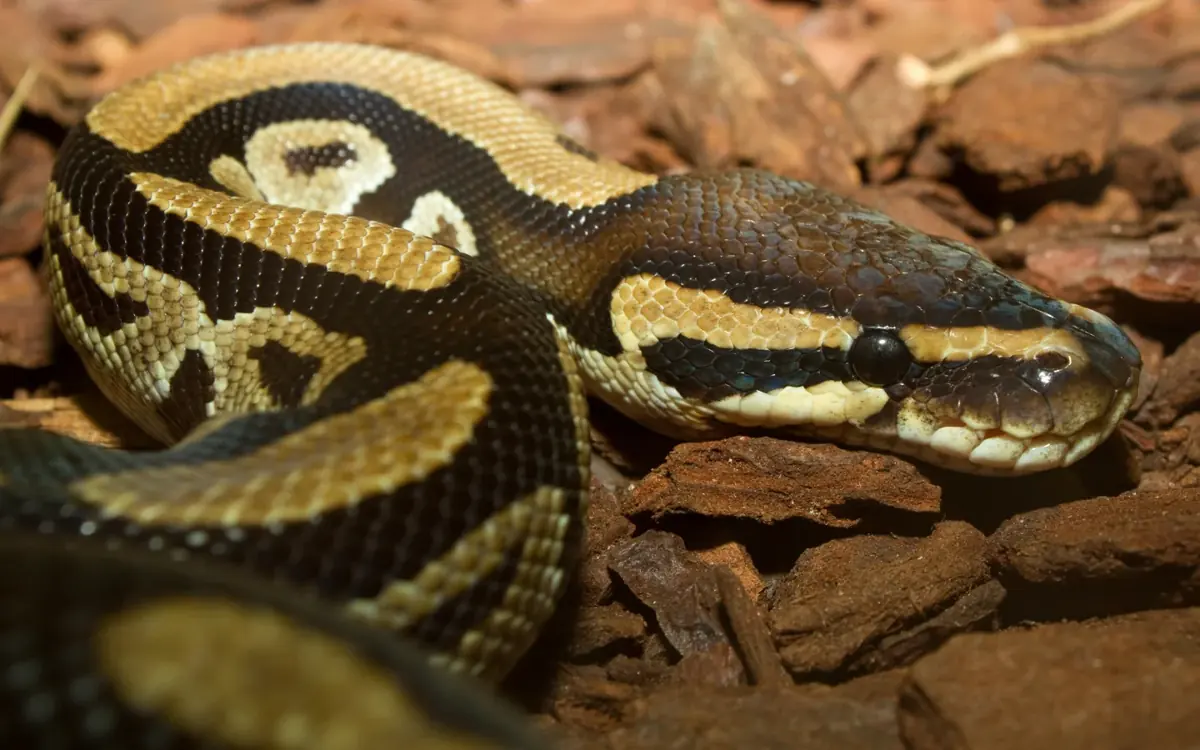
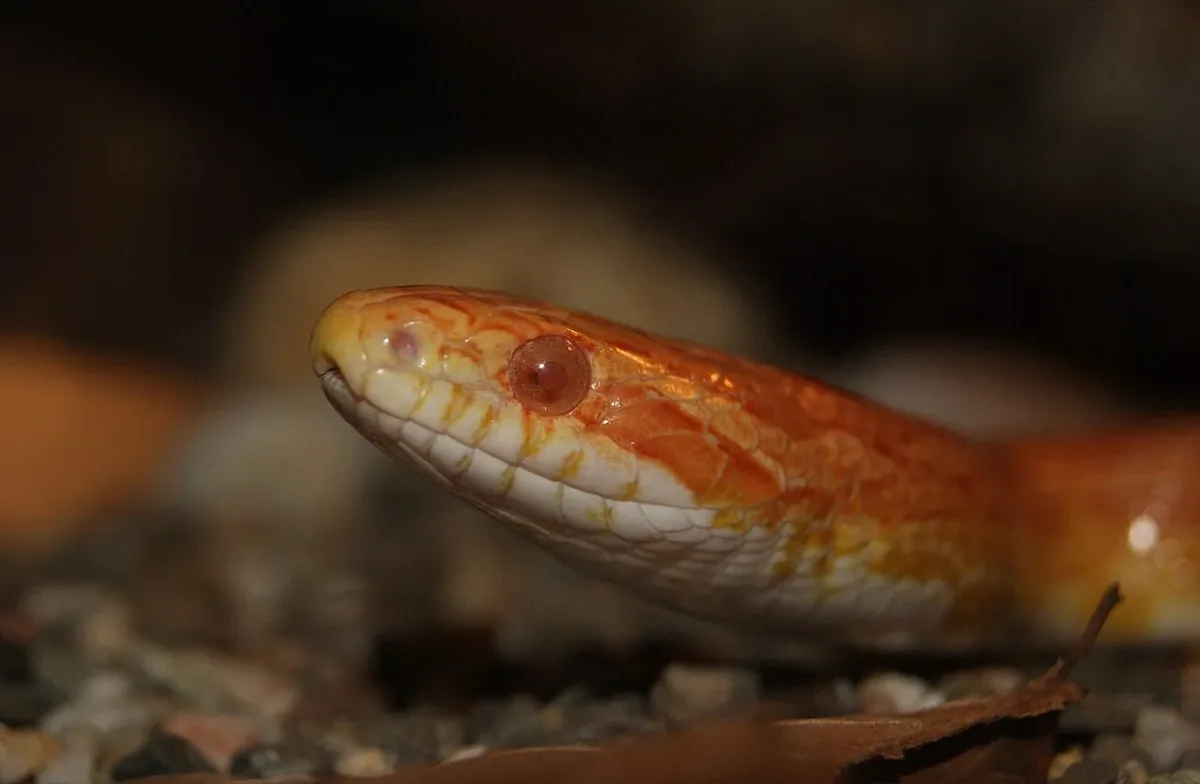
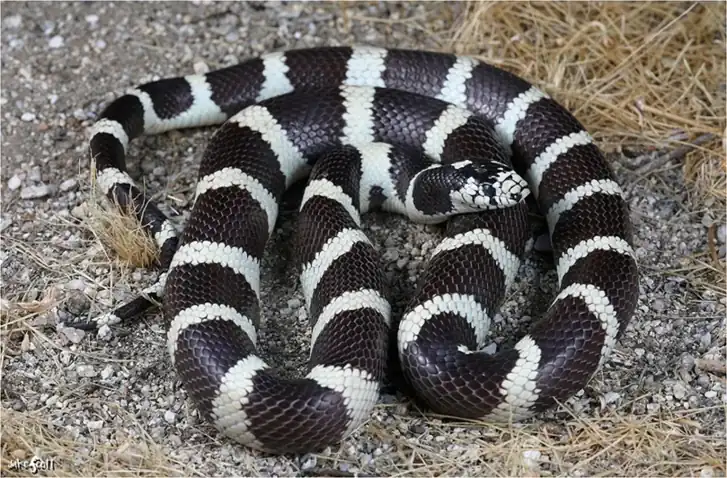
California kingsnakes are Lampropeltis californiae; older care sheets use Lampropeltis getula californiae. Bands, stripes and captive color forms do not establish adult size or temperament. They explore varied terrain and may vibrate their tails when alarmed. A well-prepared first keeper can meet their needs, but should be comfortable offering whole rodents and calmly supporting an active snake.
Plan space before buying
We recommend at least ≈ 59.1″ × 29.6″ × 23.7″ (150 × 75 × 60 cm), length × depth × height of usable internal space, for one California kingsnake up to ≈ 59.055″ (150 cm) total length. Our preferred target is ≈ 70.9″ × 35.5″ × 35.5″ (180 × 90 × 90 cm), with more room for climbing and sheltered ground travel. These are editorial recommendations based on full-body extension and the specialist floor-space rule, not a scientifically established minimum.
Keep the enclosure at least as long as the adult, with depth at least half its total length and height at least ≈ 23.7″ (60 cm). A ≈ 70.866″ (180 cm) snake therefore needs at least ≈ 70.9″ × 35.5″ × 23.7″ (180 × 90 × 60 cm). Size varies: the taxonomic account records animals approaching ≈ 78.74″ (200 cm), so a typical adult size must not become a permanent limit. Juvenile housing is temporary and needs an upgrade before the snake loses full extension.
Use about 4″ (10 cm) of burrowable bedding, leaving about ≈ 19.685″ (50 cm) above it within the minimum internal height. Fit snug warm and cool hides, a humid refuge, stable branches and a water bowl that accommodates the coiled snake. Anchor furnishings below loose bedding and keep climbing routes clear of lamps. House singly throughout cleaning and transport as well as ordinary keeping. Correct dimensions do not compensate for poor cover, an overheated cool end or escape gaps.
Heat and practical lighting
Provide a 85–90°F (29–32°C) basking surface, with cooler air and shelter around 70–80°F (21–27°C). Use an infrared thermometer for the surface and probes for air; never heat the entire enclosure to the basking value. Regulate overhead heat with a compatible thermostat and secure the probe according to its instructions. Lights go off at night; for ordinary non-brumating care, provide thermostatic backup if the enclosure falls below about 64°F (18°C).
Offer daytime UVB (ultraviolet B) with a measured exposed UVI (ultraviolet index) of 2–3 and complete shaded retreats. This is specialist husbandry guidance, not a species-specific dose proven by a welfare trial. Measure at the snake's back on its highest accessible perch and reassess after changing bedding or branches. Use roughly 12 hours of daylight initially and retain a dark night.
Moisture without a wet floor
Maintain roughly 35–60% relative humidity with a clean, continuously available humid hide. Measure at snake level and record temperature beside the reading. Dampness beneath a water bowl is not useful humidity control; inspect these areas and replace spoiled bedding. For a straightforward setup, use burrowable aspen kept dry, with moisture confined to the refuge. A properly maintained soil-based enclosure is an alternative when drainage and cleaning access are planned.
Meals, handling and records
Offer thawed whole rodents with tongs. Begin hatchlings at every 5–7 days, juveniles every 7–10 days, and adults every 10–14 days, adjusting portions and intervals to growth and body condition. Prey should be only slightly wider than the snake's widest part. A suitable captive-bred whole bird or other complete prey can provide occasional variety; meat pieces do not replace whole prey.
Wash away prey scent before handling and wait at least 48 hours after a meal. Feed on a clean tray within the enclosure to limit bedding ingestion and avoid transferring a recently fed snake. Record meals, refusals, sheds and comparable weights; eager food interest alone does not justify another meal.
Use well-nourished whole prey. Extra calcium or vitamins are not our routine default; have the diet assessed before adding powders.
Long-term ownership
Kingsnakes can live 20 years or more. Budget for the adult enclosure and future size upgrades, regulated heating, replacement lamps, prey and veterinary care. A holiday keeper needs written feeding and door-lock instructions. Common preventable failures are loose sliding-door gaps, an inaccessible cool retreat and treating persistent food interest as proof another meal is needed.
References: [2]
Offer choices you can observe
Give this active snake concealed ground routes as well as firmly supported branches. Keep familiar warm and cool refuges in place while changing one optional feature, then watch whether the new route is used by day or after lights out. A branch that closes off the cool hide or lets the snake touch a lamp is not useful enrichment. Keep cover sufficient for withdrawal during ordinary servicing.
Keep individual housing clear during every transition
Assign this kingsnake its own labeled holding container as well as its own enclosure. During a major clean, do not create a shared waiting container because the permanent habitats are separate. Mark where the snake will be secured before opening the enclosure.
In a multi-snake household, keep food labels, animal names and meal records unambiguous. A helper should not have to distinguish similar youngsters by memory while holding a thawed meal. Close and verify each habitat before moving to the next animal. Include this sequence in the care handoff so a straightforward feeding day remains organised when another person takes over. These are practical safeguards for the single-housing plan already described.
Review seasonal changes without guessing their cause
Keep a year-round record of appetite, comparable weight, activity and lighting changes. When behaviour shifts, compare the current history with the same animal's earlier record and actual enclosure measurements. Do not treat a season on the calendar as proof that a refusal is harmless.
Preserve the current maintenance plan for a substitute keeper, with clear instructions to seek advice before cooling or changing feeding frequency. If the history shows declining condition, obtain veterinary assessment. The point of an annual review is to understand this individual and notice meaningful change, not to prescribe a breeding cycle. Include enclosure growth and equipment replacement in the same review so care develops as the animal matures.
Where recommendations differ
The RSPCA (Royal Society for the Prevention of Cruelty to Animals)'s general kingsnake rule allocates one-third of total snake length to depth and height; ReptiFiles uses half-length depth and at least ≈ 23.7″ (60 cm) height for larger kingsnakes. Neither is a validated species-specific welfare threshold. We choose the wider footprint because it preserves turning room, cover and usable routes around a soaking bowl. A 4′ (122 cm) retail enclosure can suit a smaller adult under the same rule, but it cannot be the permanent recommendation for a ≈ 59.055″ (150 cm) snake.
Published thermal advice sometimes describes air or an entire basking zone instead of a surface. Our 84.2–89.6 °F (29–32°C) surface target is paired with genuinely cooler air and retreat space; it is not interchangeable with heating all the air to that temperature. Routine winter cooling is a separate management decision and should not be improvised to correct a refusal. Night references also differ: Chicago Exotics keeps nights around 75°F (24°C), while the RSPCA allows a fall to 64°F (18°C). We use the latter as a lower maintenance reference, with warmer nights appropriate when the animal's established history or veterinary plan requires them.
ReptiFiles suggests occasional supplement dusting; veterinary nutrition guidance generally considers whole rodents complete. We follow the latter approach and review prey quality or a clinical concern before adding powders.
Sources & further reading
Read the full recommendations and check details for your animal, equipment, and local conditions.
- ReptiFiles: kingsnake care
- The Bio Dude: California kingsnake
- Chicago Exotics: California kingsnake
- RSPCA: kingsnake care sheet
- The Reptile Database: Lampropeltis californiae
- Julia Whittington DVM: reptile nutrition, whole-prey feeding (DVM: Doctor of Veterinary Medicine)
Original Creature Corner guide. Editorial fact and citation checks are recorded; independent veterinary review has not been performed.