Use this guide as a starting point alongside the detailed sources below. Health concerns, unexplained changes in behavior, or feeding problems belong with a reptile veterinarian.
Adult enclosure recommendation
Our recommended minimum: 6′ × 2′ × 3′ (182.9 × 61 × 91.5 cm), length × depth × height.
Preferred target: 8′ × 3′ × 4′ (243.9 × 91.5 × 122 cm), length × depth × height.
Usable internal space for 1 adult animal. One confirmed adult Elaphe climacophora no longer than 6′ (183 cm) total length, including tail, alone. Longer individuals require a longer enclosure.
Height is the usable internal envelope, including the space reserved for substrate and water. Check the remaining movement space and lamp clearance after installation.
The preferred 8′ × 3′ × 4′ (244 × 91.5 × 122 cm) layout adds turning space, elevated covered routes and separate resources.
Our minimum provides a full-length floor and useful climbing above bedding, exceeding the older retailer example and historical official floor provision. These are editorial layout judgments, not measured biological thresholds.
For snakes longer than 6′ (183 cm), increase enclosure length to at least their total length and reassess depth, climbing and gradients.
- Floor space
- Keep 6′ × 2′ (183 × 61 cm) usable internal floor and an unobstructed full-length movement route.
- Climbing space
- Anchor broad branches at several heights with concealed resting choices; keep every route outside lamp and UV (ultraviolet) overexposure zones.
- Substrate
- Reserve 2–3″ (5–7.5 cm) bedding. A 3′ (91.5 cm) internal envelope then leaves 33–34″ (84–86.5 cm) before fixtures; verify actual clear routes.
- Water
- Stable bowl large enough for the animal to enter and exit easily, with fresh drinking water.
- Security and ventilation
- Positive locks, juvenile-scale gap checks, guarded equipment, ventilation and stable heavy objects.
Meeting these dimensions alone does not establish suitability. Check the usable layout, environmental conditions, equipment clearance and the individual animal’s requirements before occupation.
Confirm the snake behind the locality name
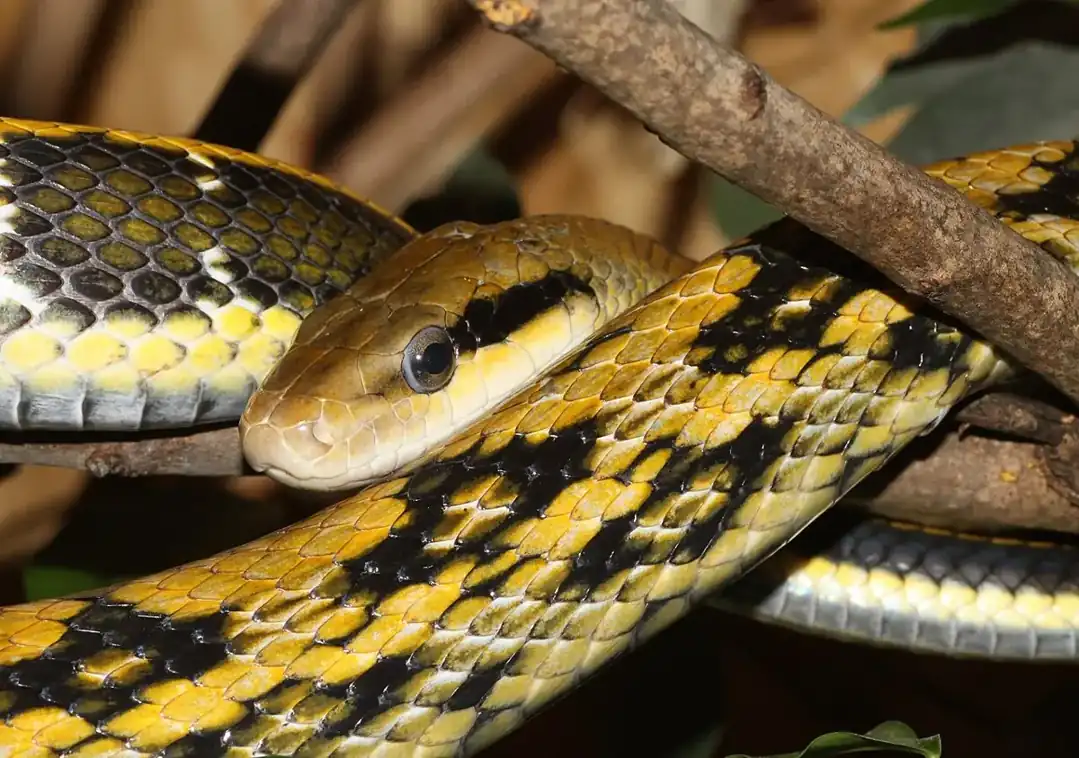
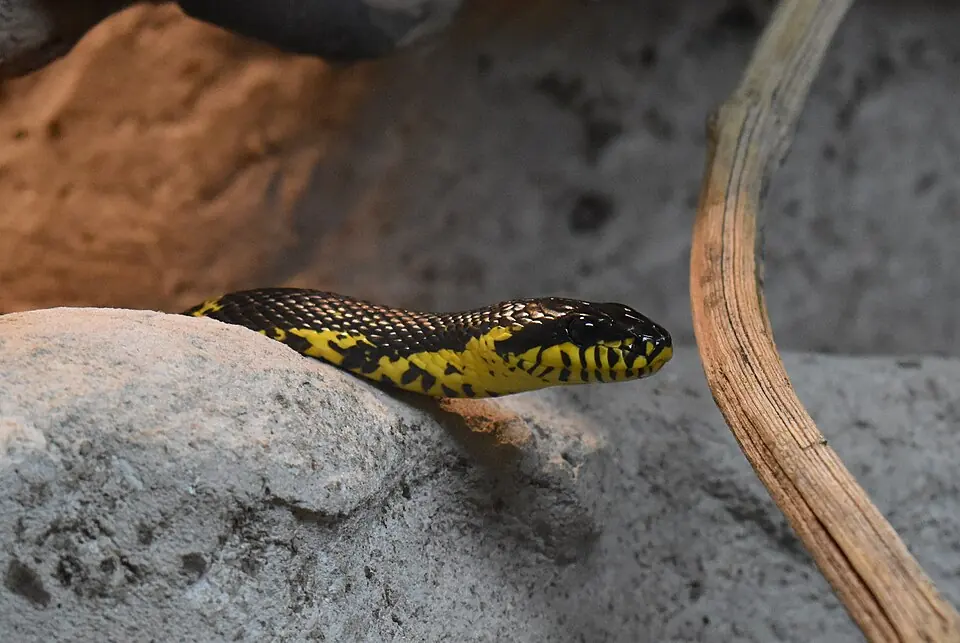
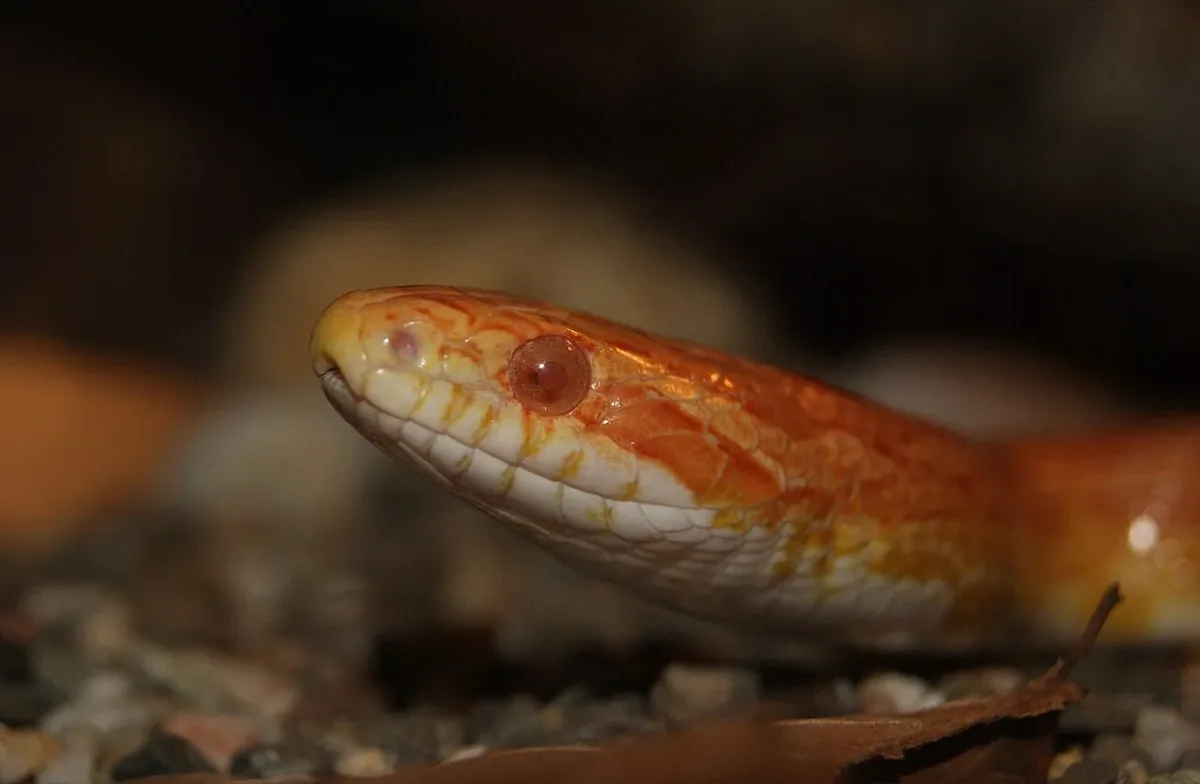
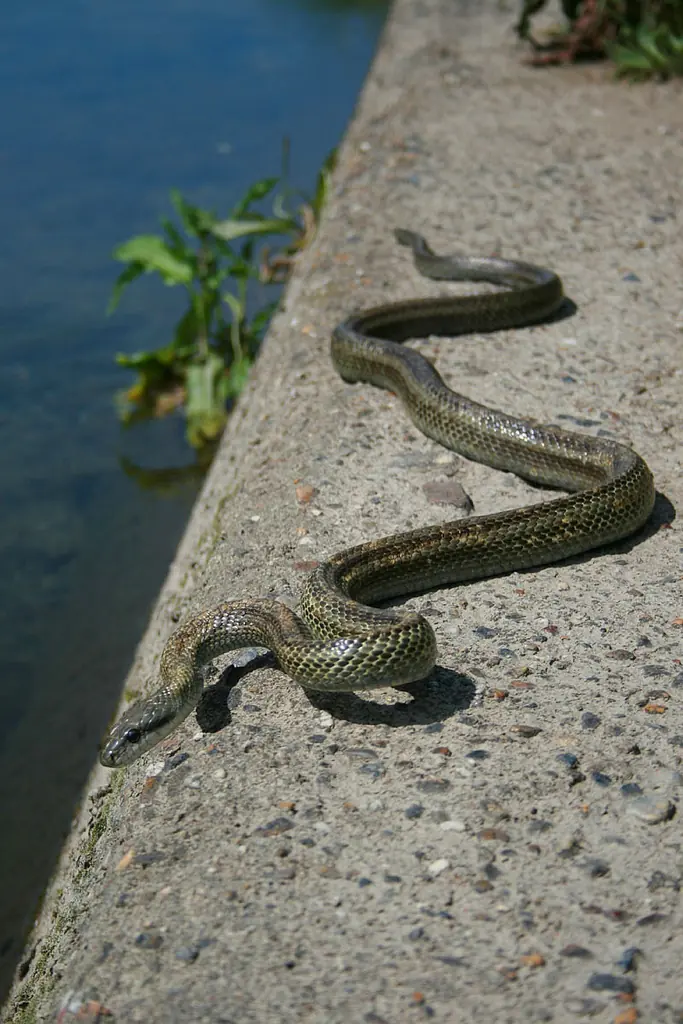
The Japanese rat snake is Elaphe climacophora. Kunashir Island animals belong within that species, but a locality name should travel with the breeder’s records. Japanese striped and red rat snakes, beauty rat snakes and hybrids are outside this guide. Confirm captive-bred origin and the individual’s established diet before planning around a photograph.
This is a strong climber that also uses the ground. Adult length means total length including the tail; the enclosure example is limited to animals through 6′ (183 cm). Larger individuals need longer housing. Its movement, escape security and continuing food and veterinary needs matter more than an attractive juvenile purchase price.
Connect the floor to secure elevated shelter
Provide the internal minimum in the adult panel for one animal, choosing the preferred layout where possible. Older accounts describe substantially shorter cages and sometimes pairs. Our dimensions are a larger editorial choice for full-length movement and climbing, not a promise that every arrangement inside the box works.
Anchor branches and heavy hides before adding 2–3″ (5–7.5 cm) of bedding. Aspen is suitable where it stays dry; cypress-based bedding is an alternative where more moisture retention is needed. Keep a damp shedding hide separate from the main floor. Connect covered ground routes to broad elevated rests, with hides at both warm and cool ends. Measure the clear space above the bedding and below guarded lamps rather than relying on the enclosure’s outside height.
Young snakes require close inspection and very small escape-gap checks. Provide abundant cover and accessible food and water as they grow. Bare space is not a substitute for safe furnished routes, and a baby enclosure must have a clear upgrade plan.
Measure the destinations the snake can actually reach
Our selected practice implementation uses a localized basking surface of 84–90°F (28.9–32.2°C), cooler air where the animal rests or moves of 72–77°F (22.2–25°C), and dark-night air of 65–72°F (18.3–22.2°C). The sources disagree and do not consistently identify a basking measurement object. These surface choices are editorial rather than validated species optima; they are not whole-cage settings or an average of every published number.
Control heat with a suitable thermostat, measure air with independent probes and scan contact surfaces. Check high perches as well as the floor. Provide a 12-hour starting day and darkness at night. A low voluntary ultraviolet B (UVB) opportunity at ultraviolet index (UVI) 0.5–1.0 is a general lighting-method extrapolation here, with fully shaded refuges. It is not a measured species requirement. Have the exposure reviewed and meter the closest reachable back height through the actual mesh and guard.
Keep a damp refuge without soaking every surface
Supply a stable drinking and soaking bowl that the snake can enter and leave easily. Renew contaminated water promptly and clean the bowl routinely. Our working ambient relative humidity of 50–60% overlaps the differing accounts; record the local temperature with it. A localized damp refuge provides another choice while the main bedding stays ventilated and unsaturated.
Inspect sheds, including the tail tip and eye region. A retained spectacle is not something to pull away at home. Repeated incomplete shedding, persistent soaking or dry-looking condition calls for a review of hydration, heat, parasites and health rather than an automatic increase in whole-cage misting.
Follow growth and condition rather than appetite alone
Obtain an established feeder with a written history of accepted frozen-thawed whole rodents. Offer prey suited to the animal’s width and swallowing ability. A starting rhythm is every 5–7 days for growing juveniles and every 10–14 days for adults, adjusted to weight, body condition and actual growth. Faster keeper growth schedules are not a target to reproduce.
Thaw and handle food hygienically, offer it calmly with feeding tools and remove uneaten food. Whole prey normally supplies calcium and dietary vitamins without routine extra dusting or vitamin D3; assess unusual diets with a reptile veterinarian. Eggs are not required treats, and a willingness to eat again does not establish a need for another meal.
Allow individual temperament and seasonal history
Use single housing in this plan. After settling and reliable feeding, short supported handling may be appropriate if the snake remains calm. Support its moving body, secure the room and let defensive behavior end the session. Skip contact after meals and during illness or difficult sheds. A reputation for calmness does not describe every individual.
Seasonal appetite changes occur, but refusal alone is not permission to cool a pet in a refrigerator. Review weight, food size, temperatures and health first. Deliberate brumation needs locality and individual assessment. A mature female may need suitable laying provision even without planned breeding; straining, swelling or progressive decline needs veterinary attention.
Prepare a routine that remains practical at adult size
Before arrival, validate the finished enclosure repeatedly through its day and night cycle. Prepare locks, anchored branches, hides, bedding, water, controlled heat, a timer, air and humidity probes, a surface thermometer and access to UV measurement. Check the nearest upper perch after every change to lamps or furniture.
Quarantine new arrivals and record baseline weight, feeding, waste and sheds. Remove contamination promptly and clean using dedicated tools, then wash hands. Arrange a reptile veterinarian and cover for absences. Breathing effort, burns, weakness, swelling or unexplained weight loss need professional care.
Check doors, water and thermometer readings every day. Remove droppings and contaminated bedding promptly; wash the bowl before refilling. During a deeper clean, move the snake into a locked temporary container, clean with a reptile-safe product at its labeled dilution and contact time, then rinse as directed and allow the enclosure to dry before return.
Sources & further reading
Read the full recommendations and check details for your animal, equipment, and local conditions.
- The Reptile Database: Elaphe climacophora
- Japanese rat snake: Kyoto City Zoo
- Kunashir Island Rat Snake Care Sheet
- Second Animal Husbandry Ordinance, reptile annex
- Japanese Ratsnake: keeper account
- A UV-B lighting guide for reptiles and amphibians
Original Creature Corner guide. Editorial fact and citation checks are recorded; independent veterinary review has not been performed.