

Colubrids
Other colubrids
This category contains guides for Beauty rat snake, Common garter snake, African house snake, Gopher snake, Pine snake, Japanese rat snake, Russian rat snake, Common egg-eating snake, Mexican milk snake. Each guide states its exact species or group scope; this category does not cover every member of the wider group.
9 care guides in this collection
 Snakes
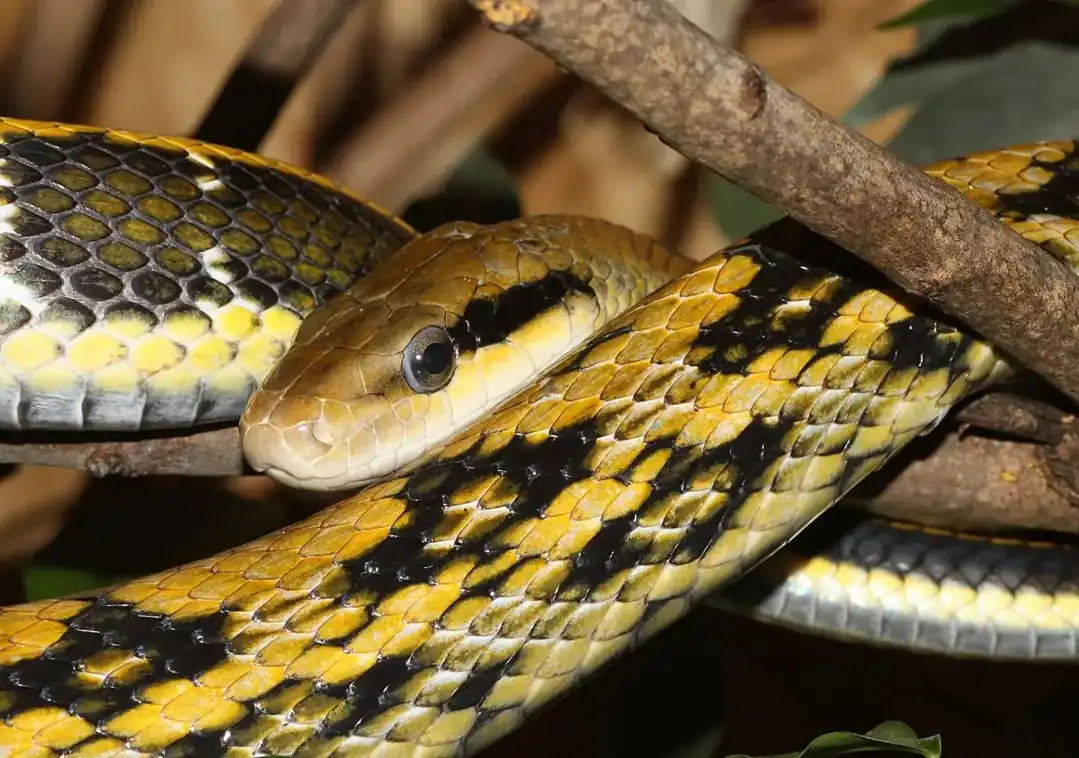
Beauty rat snake
Elaphe taeniura complex (also Orthriophis taeniurus)
Beauty rat snakes are large, fast climbers whose locality must be established before choosing a permanent enclosure or climate plan.
Researched care guide · Experienced keeper
Long-term specialist commitment; locality-specific lifespan confirmation needed.
 Snakes
Common garter snake
Thamnophis sirtalis
Common garter snakes are busy daytime animals that need varied prey, clean water and housing secured against very small escape gaps.
Researched care guide · Some experience
About 10–15 years; longer is possible.
 Snakes
African house snake
Boaedon capensis / fuliginosus trade labels (verify identity)
This house-snake introduction begins with identification because the African trade name covers different animals.
Researched care guide · Some experience
Long-term commitment; identity-specific lifespan confirmation needed.
 Snakes
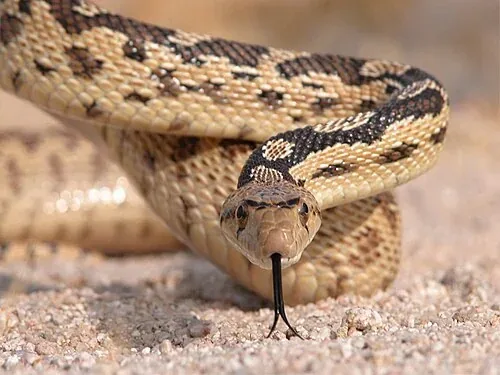
Gopher snake
Pituophis catenifer
Choose housing by adult length and preserve burrowing, shaded retreat and climbing opportunities for a gopher snake.
Researched care guide · Some experience
Often around 15 years; 30+ years reported
 Snakes
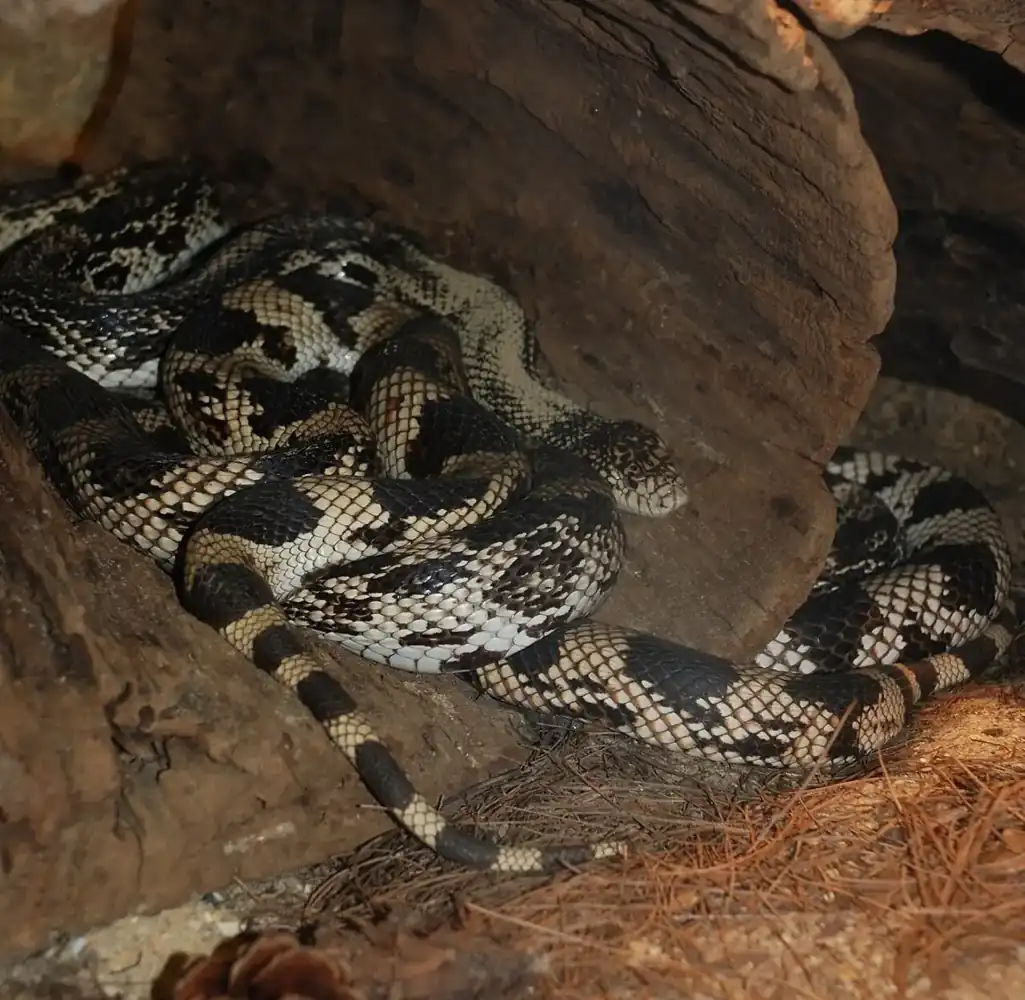
Pine snake
Pituophis melanoleucus
Build a spacious digging habitat with secure retreats, measured heat and a feeding plan suited to the individual pine snake.
Researched care guide · Some experience
20 years or more in the cited care source
 Snakes
Japanese rat snake
Elaphe climacophora
Plan a Japanese rat snake’s adult length, anchored climbing routes, cooler retreats and a condition-led whole-prey routine.
Researched care guide · Some experience
Plan long-term snake care
 Snakes
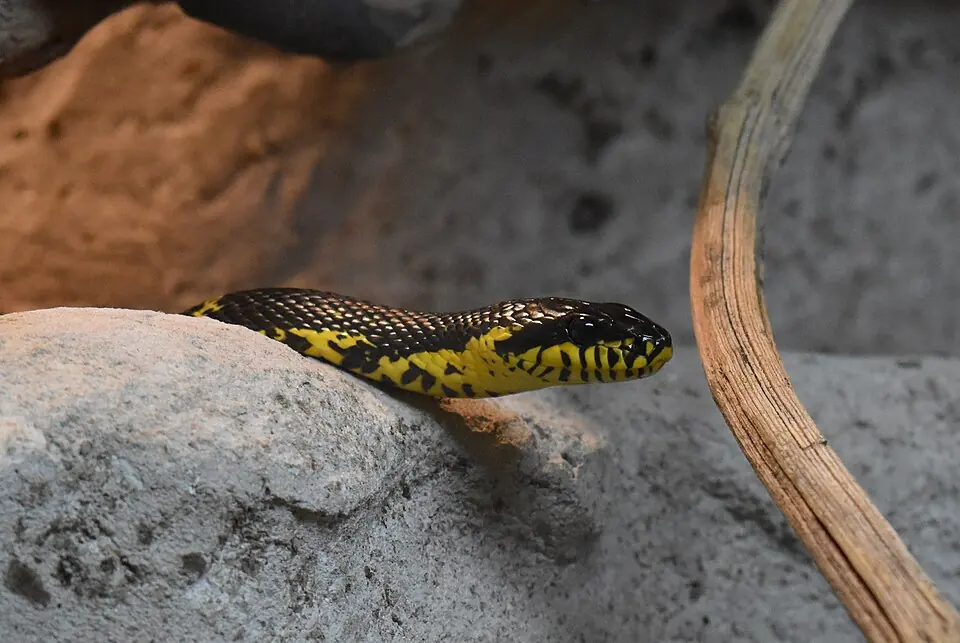
Russian rat snake
Elaphe schrenckii
Give a Russian or Amur rat snake secure adult climbing space, a reliable cool retreat and individual feeding and seasonal records.
Researched care guide · Some experience
Plan a long-term commitment
 Snakes
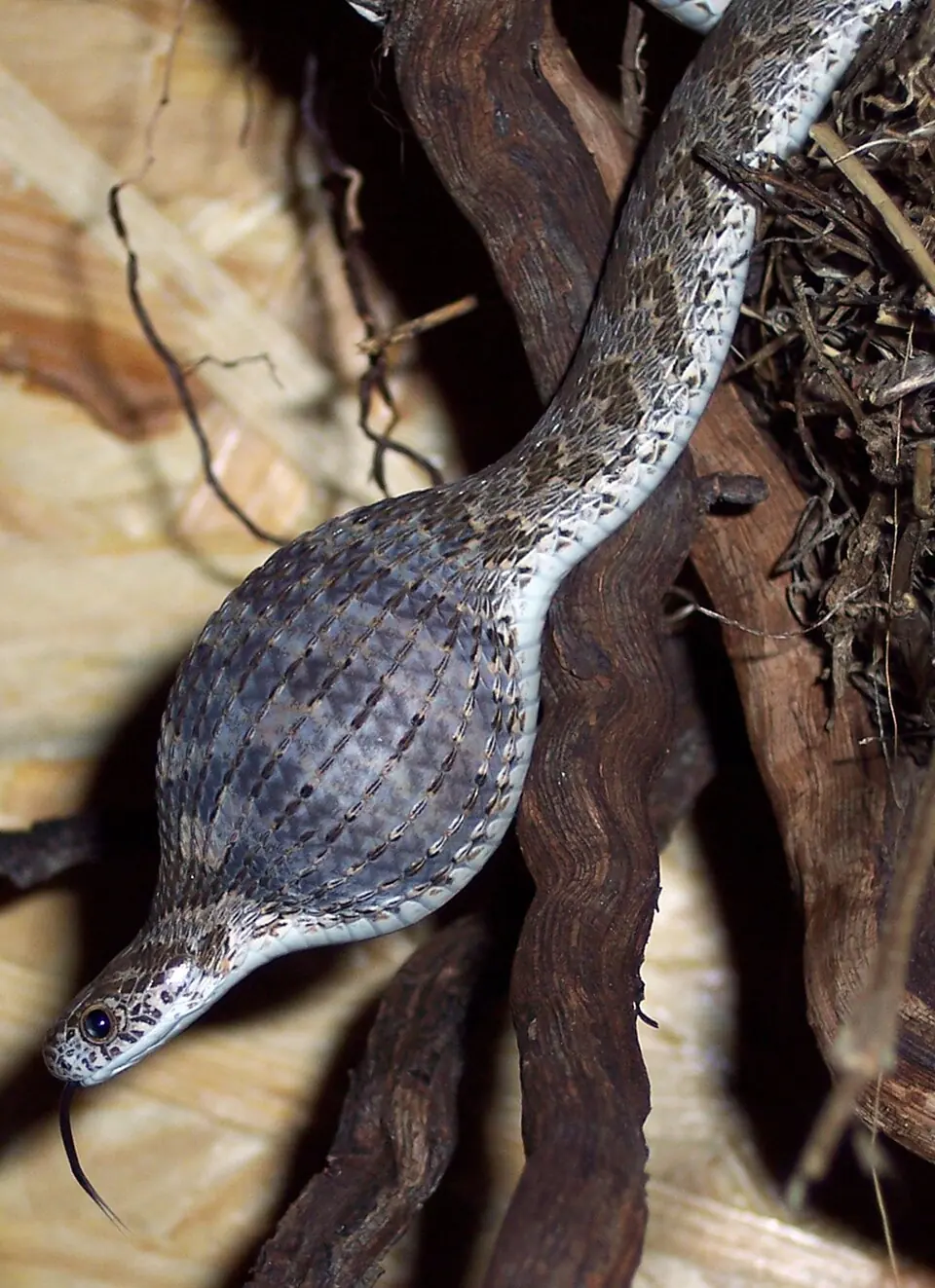
Common egg-eating snake
Dasypeltis scabra
Begin with confirmed identity and a dependable tiny-egg supply, then plan a common egg-eater’s secure routes, gentle gradient and weight-led monitoring.
Researched care guide · Experienced keepers
Plan long-term specialist feeding care
 Snakes
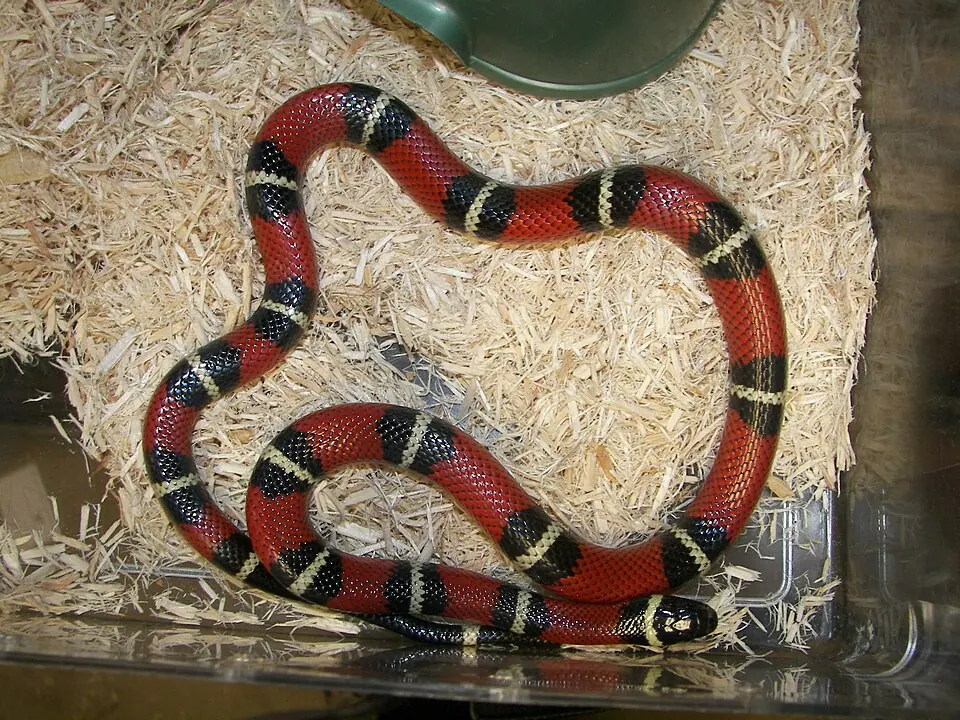
Mexican milk snake
Lampropeltis polyzona
Resolve the Mexican milk snake’s identity, then plan full-length solitary housing, safe burrowing, a warm option and a whole-prey routine.
Researched care guide · Some experience
Plan long-term solitary snake care
Check the guide before planning a setup.
Open the matching care article to check its scope, follow its sources and start the animal’s setup checklist. Each article identifies any care decisions that still need individual assessment.