

Amphibians
Amphibians
Current named guides: White's tree frog, Cranwell's horned frog, Ornate horned frog, African bullfrog, Sambava tomato frog, Red-eyed tree frog, Dyeing poison dart frog, Bumblebee poison dart frog, Axolotl, Oriental fire-bellied toad. Read the exact species scope in each guide. Other members of this group are not automatically covered.
10 care guides in this collection
 Amphibians
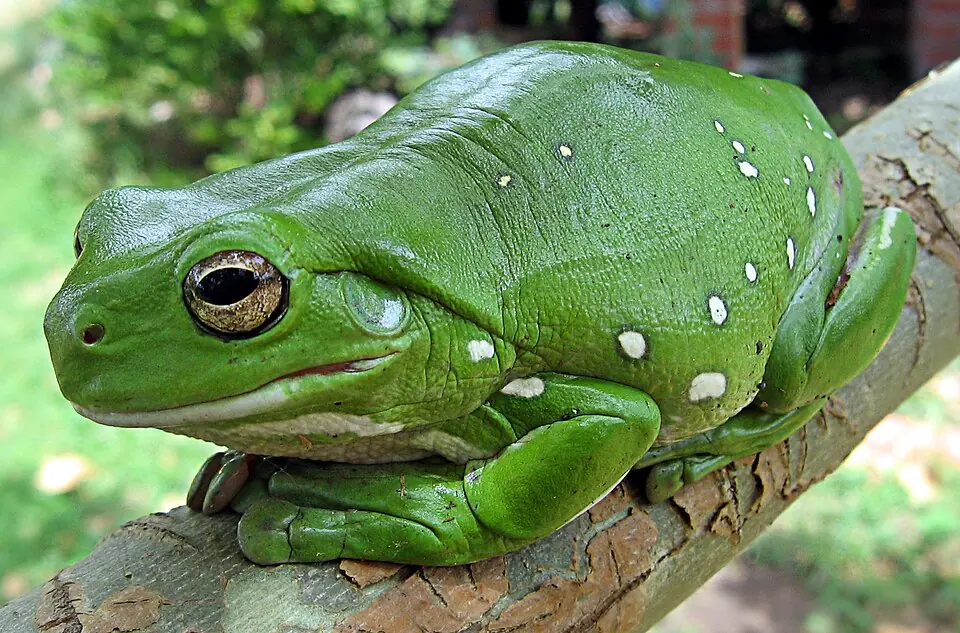
White's tree frog
Pelodryas caerulea
Build sturdy climbing routes, measured climate choices and a clean shallow bath for one White’s tree frog, then match live-food meals to growth and condition.
Researched care guide · Some experience
Often over a decade, potentially twenty years or longer
 Amphibians
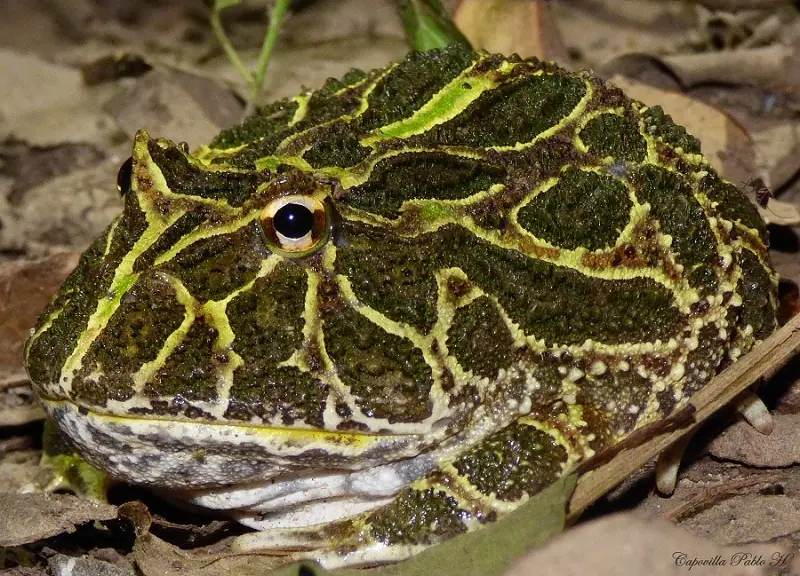
Cranwell's horned frog
Ceratophrys cranwelli
Care for a correctly identified Cranwell’s horned frog with a deep moist burrow, safe shallow water and measured feeding through growth.
Researched care guide · Some experience
Plan for many years; captive life expectancy is uncertain
 Amphibians
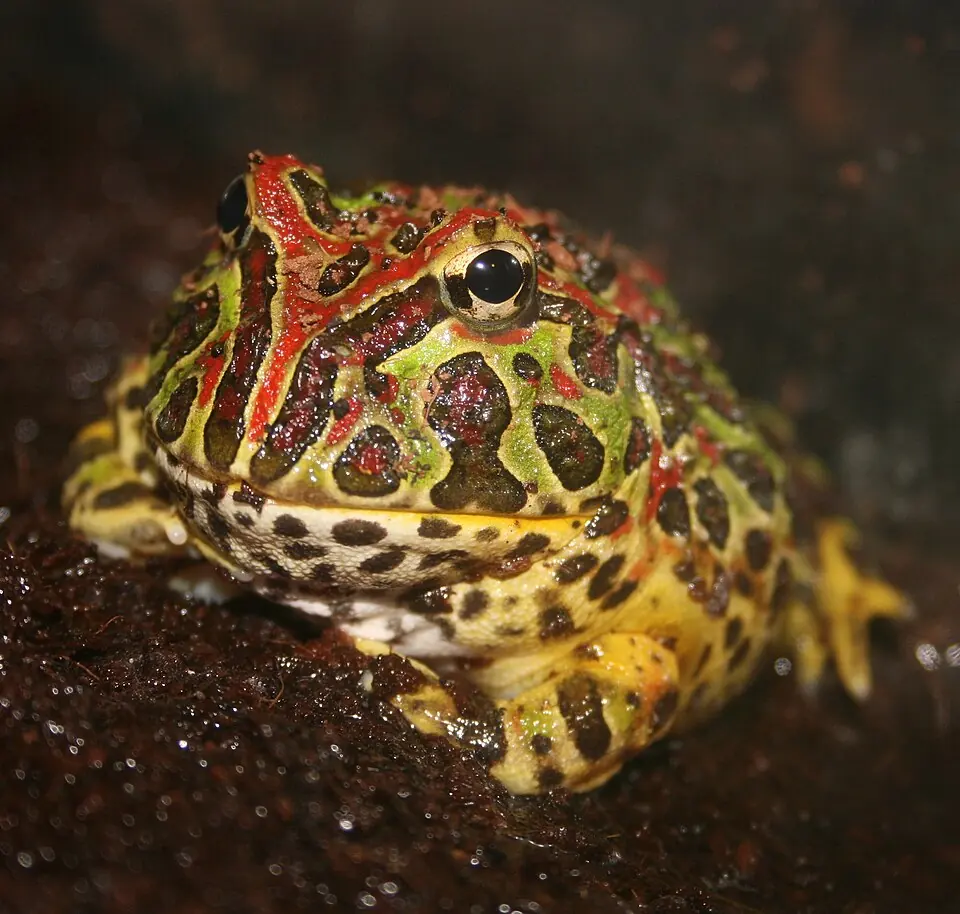
Ornate horned frog
Ceratophrys ornata
Plan a spacious burrowing home for an ornate horned frog, with controlled warmth, voluntary low light exposure and an earthworm-rich feeding routine.
Researched care guide · Some experience
Plan for roughly a decade
 Amphibians
African bullfrog
Pyxicephalus adspersus
Plan adult male or confirmed female African bullfrog housing, deep burrowing space, a serviceable bath and a long-term feeding and health record.
Researched care guide · Some experience
Potentially 15–25 years
 Amphibians
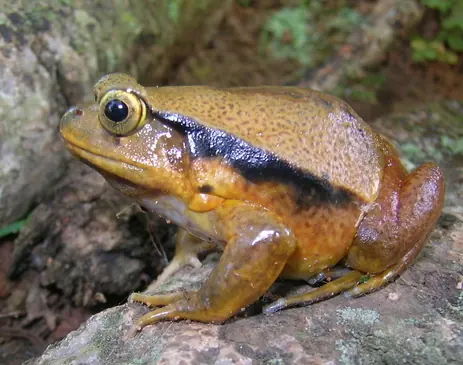
Sambava tomato frog
Dyscophus guineti
Keep a precisely identified Sambava tomato frog with moist burrowing soil, clean shallow water, careful heat control and a varied live-food routine.
Researched care guide · Some experience
Plan for roughly 6–10 years
 Amphibians
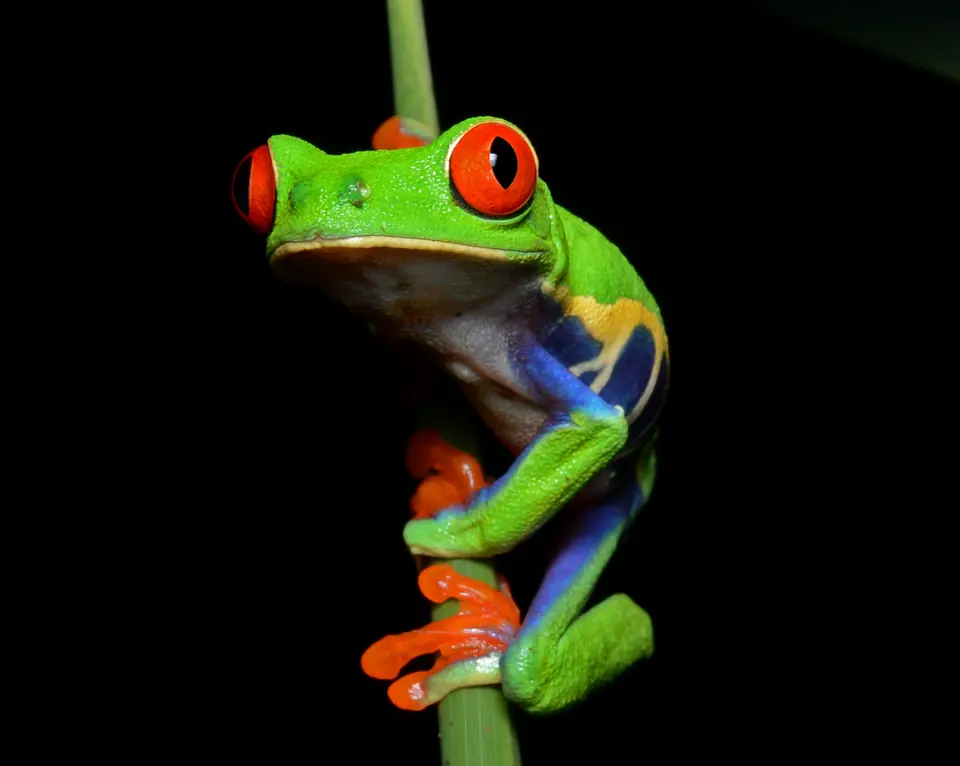
Red-eyed tree frog
Agalychnis callidryas
Plan sheltered climbing routes, measured climate and ultraviolet choices, clean shallow water and evening feeding for a correctly identified red-eyed tree frog.
Researched care guide · Some experience
Plan for 5–10 years or longer
 Amphibians
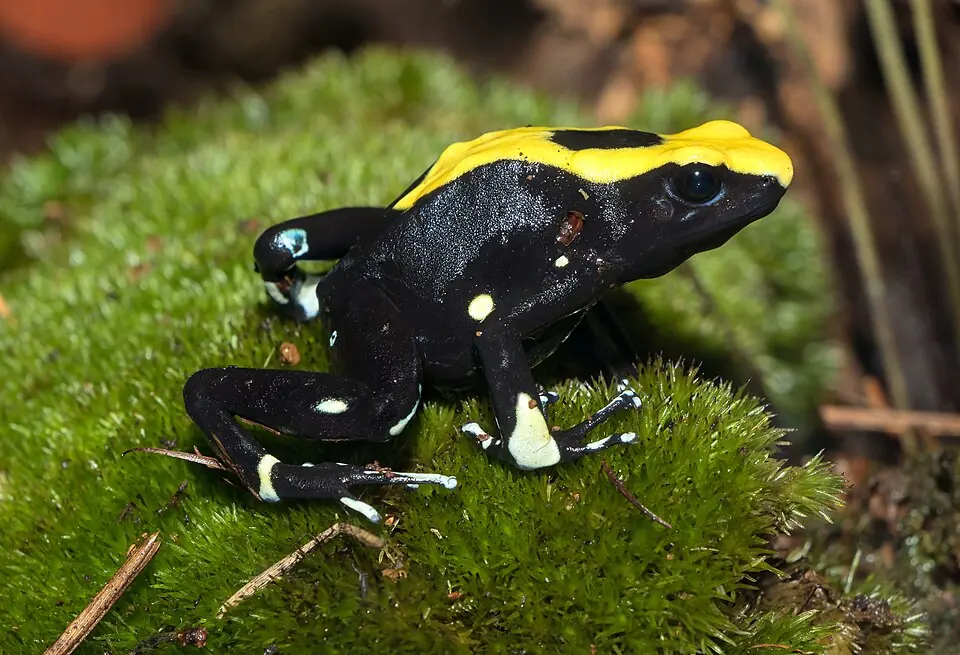
Dyeing poison dart frog
Dendrobates tinctorius
Preserve form identity while planning cool planted floor space, ventilated moist refuges, reliable tiny prey and an individual feeding record.
Researched care guide · Some experience
Plan for a possible 20-year commitment
 Amphibians
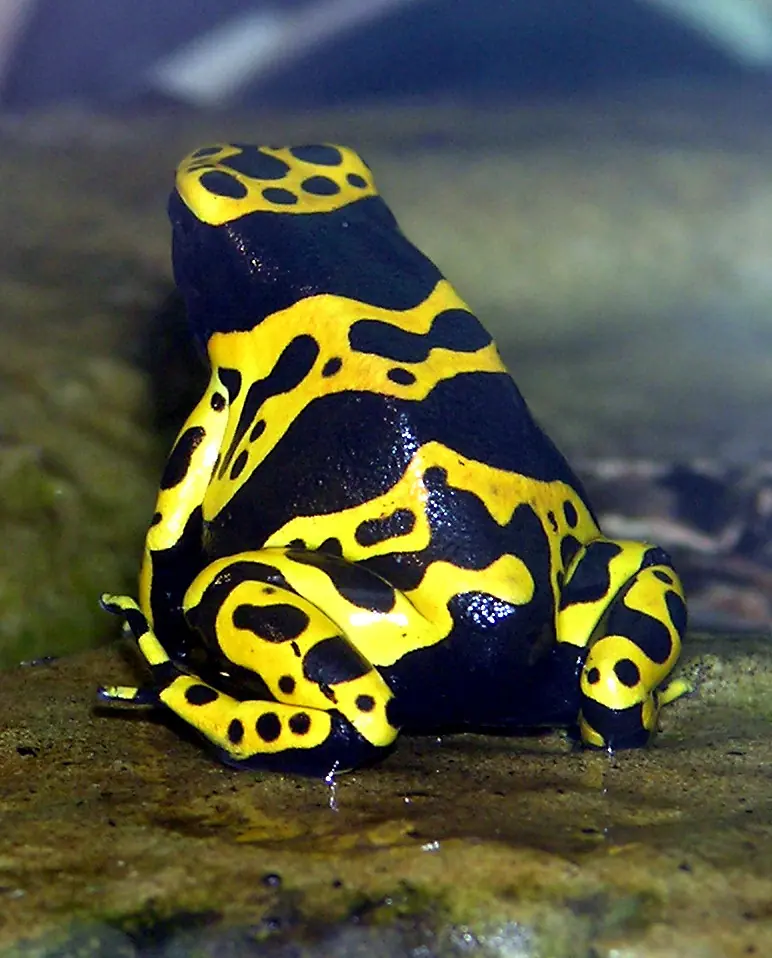
Bumblebee poison dart frog
Dendrobates leucomelas
Plan leaf litter and connected climbing cover, cool ventilated moisture, reliable tiny prey and individual observations for this calling dart frog.
Researched care guide · Some experience
Plan for a possible 20-year commitment
 Amphibians
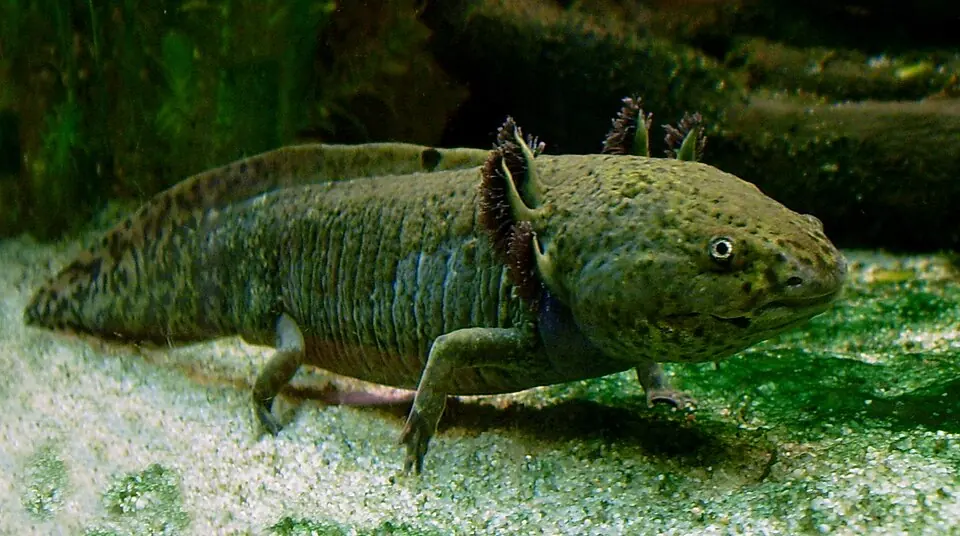
Axolotl
Ambystoma mexicanum
Commission cool stable water, biological filtration, measured chemistry, gentle current and usable underwater floor before the axolotl arrives.
Researched care guide · Some experience
Plan for about 10–15 years
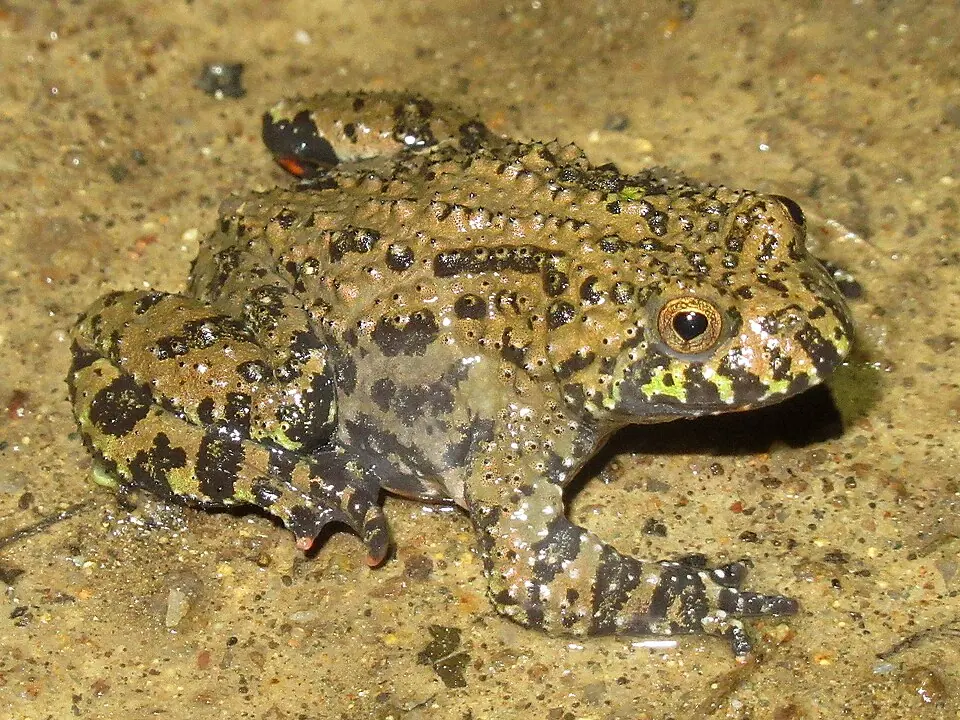 Amphibians
Oriental fire-bellied toad
Bombina orientalis
Plan usable damp land, clean shallow water with easy exits, cool active conditions and measured low ultraviolet exposure for a correctly identified fire-bellied toad.
Researched care guide · Some experience
Plan for about 10–15 years
Check the guide before planning a setup.
Open the matching care article to check its scope, follow its sources and start the animal’s setup checklist. Each article identifies any care decisions that still need individual assessment.